
Car Wash Electrical Systems: Installation Requirements, Common Issues, and Code Compliance
A car wash facility is one of the most electrically demanding commercial installations a contractor can build. High-amperage motors, continuous water exposure, chemical storage, automated control systems, and high-throughput operating cycles all combine to create an environment that tests electrical systems harder than most commercial occupancies. When car wash electrical installation is done right, the facility runs reliably for years. When it is not, the maintenance calls start within months.
This guide covers the NEC requirements and practical considerations for car wash electrical systems — including motor circuits, wet location protection, GFCI requirements, chemical storage classifications, and the differences between tunnel washes, self-serve bays, and express exterior operations. It is written for car wash operators, franchise owners, petroleum contractors, and general contractors who build and maintain these facilities throughout South Florida.
How Car Wash Electrical Demand Differs from Standard Commercial Construction
A typical commercial office build-out is designed primarily for lighting, outlets, and HVAC. A car wash is designed for motors — lots of them, running under sustained load, in a wet environment, often 12 to 18 hours a day.
A mid-size conveyor tunnel car wash may have a combined motor load exceeding 200 amps. The electrical service feeding that facility must be sized not just for the connected load, but for the starting currents that large motors draw when they kick on. Motor starting current — called locked-rotor current — can be 5 to 7 times the motor's running current. Without careful service sizing and proper motor circuit design, the electrical system is undersized from day one.
For any car wash in Broward County, Palm Beach County, or surrounding South Florida areas, the service sizing calculation begins with a load analysis under NEC Article 430 — Motor Circuits, Motor Controllers, and Motor Branch Circuits. This article governs how motor branch circuits, feeder conductors, and overcurrent protection are sized — and it applies to every motor in the facility, from the 150-horsepower conveyor drive to the small fractional-horsepower chemical pump motors.
Motor Circuit Requirements Under NEC Article 430 for Car Wash Systems
NEC Article 430 establishes specific sizing rules for motor branch circuits that differ from standard branch circuit calculations. The key requirements for car wash motor circuit design include:
- Branch circuit conductors supplying a single motor must be sized at no less than 125% of the motor's full-load current (FLC). This built-in margin accounts for the sustained load motors place on conductors during normal operation.
- Motor branch circuit overcurrent protection (fuses or circuit breakers) is sized differently from conductor overcurrent protection. For motors, the overcurrent device protects the motor windings and is permitted to be larger than the conductor rating to allow for starting current.
- Each motor 1/8 horsepower or greater must have a means of disconnection that is within sight of the motor and readily accessible. For conveyor systems with motors at multiple points along the tunnel, this means multiple disconnects — not a single panel disconnect serving the whole system.
- Motor overload protection must be provided for each motor. Overload devices protect the motor windings from sustained overcurrent that a short-circuit breaker would not trip quickly enough to prevent. In car wash environments, where moisture can degrade motor insulation over time, properly sized overload protection extends motor life significantly.
- Combination starters (which integrate the motor controller, overload protection, and disconnect function) are commonly used in car wash installations for operational efficiency and code compliance.
For conveyor tunnel systems with variable-speed drives (VSDs), the motor circuit design becomes more complex. VSDs change the harmonic content of the electrical supply and require derating of conductors and careful attention to grounding to prevent interference with control system electronics.
Wet Location Electrical Requirements for Car Wash Facilities in Florida
The NEC defines three location categories relevant to car wash electrical: dry locations, damp locations, and wet locations. A car wash tunnel, self-serve bay, and express exterior wash are all wet locations — environments exposed to saturation with water or other liquids. Every piece of electrical equipment installed in these areas must be listed and marked for wet location use.
Wet location requirements affecting car wash electrical installation include:
- Wiring methods: Conduit systems in wet locations must use conduit types and fittings listed for wet use. PVC conduit is commonly used in car wash facilities because of its corrosion resistance, but all conduit bodies, fittings, and junction boxes must be rated for wet locations and properly drained.
- Equipment enclosures: Motor starters, disconnects, junction boxes, and control panels installed in the wash area must be rated for wet locations — typically NEMA 4 or NEMA 4X enclosures. NEMA 4X provides corrosion resistance in addition to the water-tightness of NEMA 4, which is particularly relevant in car washes where the combination of water and cleaning chemicals accelerates corrosion.
- Lighting: Light fixtures in the tunnel and bay areas must be listed for wet locations. Fixture lenses must be sealed against water intrusion. LED fixtures designed for car wash environments are preferred for their resistance to moisture and vibration.
- Overhead wiring clearances: Where wiring is run overhead in the wash area, it must be installed and protected to prevent damage from vehicle clearance issues and water spray.
GFCI Protection Requirements for Car Wash Electrical Systems
Ground Fault Circuit Interrupter (GFCI) protection is a core code requirement for car wash electrical installations, and its scope is broader than many operators realize. The combination of high-voltage equipment and a saturated water environment creates exactly the fault path conditions GFCI protection is designed to interrupt.
Required GFCI protection locations in a car wash facility include:
- All 15A and 20A, 125V receptacles in wet or damp locations — including utility outlets in the equipment room, chemical mixing areas, and bay areas.
- Receptacles in commercial garages and areas where vehicles are serviced, which overlap with many car wash facility layouts.
- Outdoor receptacles, including any outlets on the exterior of the building or under the canopy.
- Equipment in areas where the floor is routinely wet, even if those areas are not formally classified as wet locations under the NEC's definitions.
GFCI protection for car wash motor circuits — particularly larger 240V and three-phase circuits — requires careful coordination. Standard GFCI devices (the duplex receptacle type) trip at 5mA of ground fault current and are used for personnel protection. GFCI protection for larger equipment circuits may use GFCI circuit breakers rated for the appropriate voltage and amperage. In a car wash environment with aging insulation on wet motors, nuisance tripping from GFCI devices can indicate developing motor insulation problems that warrant attention before the motor fails completely.
Hazardous Location Considerations: Chemical Storage at Car Wash Facilities
Most people do not think of a car wash as a hazardous location. But facilities that store cleaning solvents, wax concentrates, tire dressing chemicals, or other products containing volatile organic compounds may have areas that meet the NEC's definition of a classified location.
The NEC's hazardous location classification system — particularly NEC Article 500 and its Division 1/Division 2 designations — applies wherever flammable vapors may be present in sufficient concentrations to create an ignition risk. A chemical storage room containing solvents with flash points below 100°F qualifies as a classified location under NEC Article 500.
For car wash operators and petroleum contractors who build car wash facilities:
- Chemical storage rooms containing flammable solvents or aerosols should be evaluated for classification. If classification is required, the electrical equipment installed in those rooms — including lighting, outlets, and ventilation motor controls — must be rated for the applicable class and division.
- Even for facilities storing only water-based chemicals, adequate ventilation should be provided and exhaust fan controls should be positioned outside the chemical room.
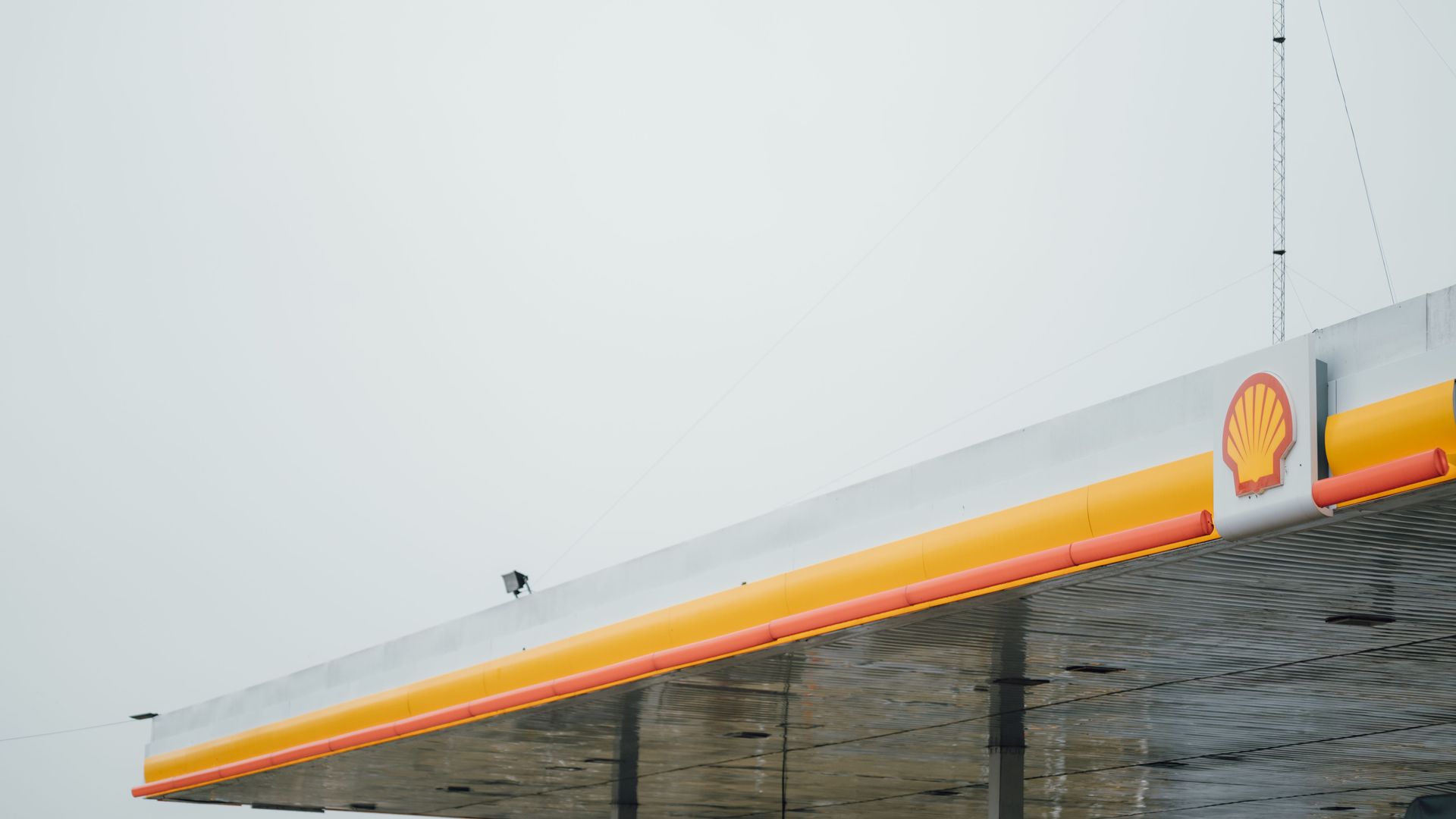
- Where the car wash includes a petroleum product sale component (fuel canopy, oil change bay), Article 514 hazardous location requirements apply in addition to the wet location requirements governing the wash area.
Car Wash Electrical Differences by Facility Type
Conveyor Tunnel Car Washes
Conveyor tunnels are the most electrically complex car wash format. The electrical system must support a main conveyor drive (often 25–75 HP), multiple high-pressure pump motors, blower arch motors, dryer motors, chemical dosing pumps, automated PLC-based control systems, and customer-facing payment and communications equipment. The service entrance for a full-featured tunnel car wash is typically 400 to 800 amps, three-phase. Trophy Electric has performed commercial electrical installations for major car wash operators across South Florida, including facilities operated by recognized industry brands.
Self-Serve Bays
Self-serve bays have lower motor loads than tunnel washes but present distinct challenges: multiple independent bays with separate metering equipment, high-pressure pump motors, coin/card acceptor electronics, overhead lighting in wet locations, and receptacles used by customers with pressure washers and vacuums. Each bay effectively functions as its own electrical zone, requiring individual circuit protection and GFCI protection at all customer-accessible outlets.
Express Exterior Washes
Express exterior washes — frictionless or soft-touch conveyor systems with no dryers and minimal interior equipment — have lower electrical demand than full-service tunnels but still require wet location-rated equipment throughout, proper motor circuit design for the conveyor and pump systems, and GFCI protection wherever accessible receptacles are present.
Common Electrical Issues at Florida Car Wash Facilities
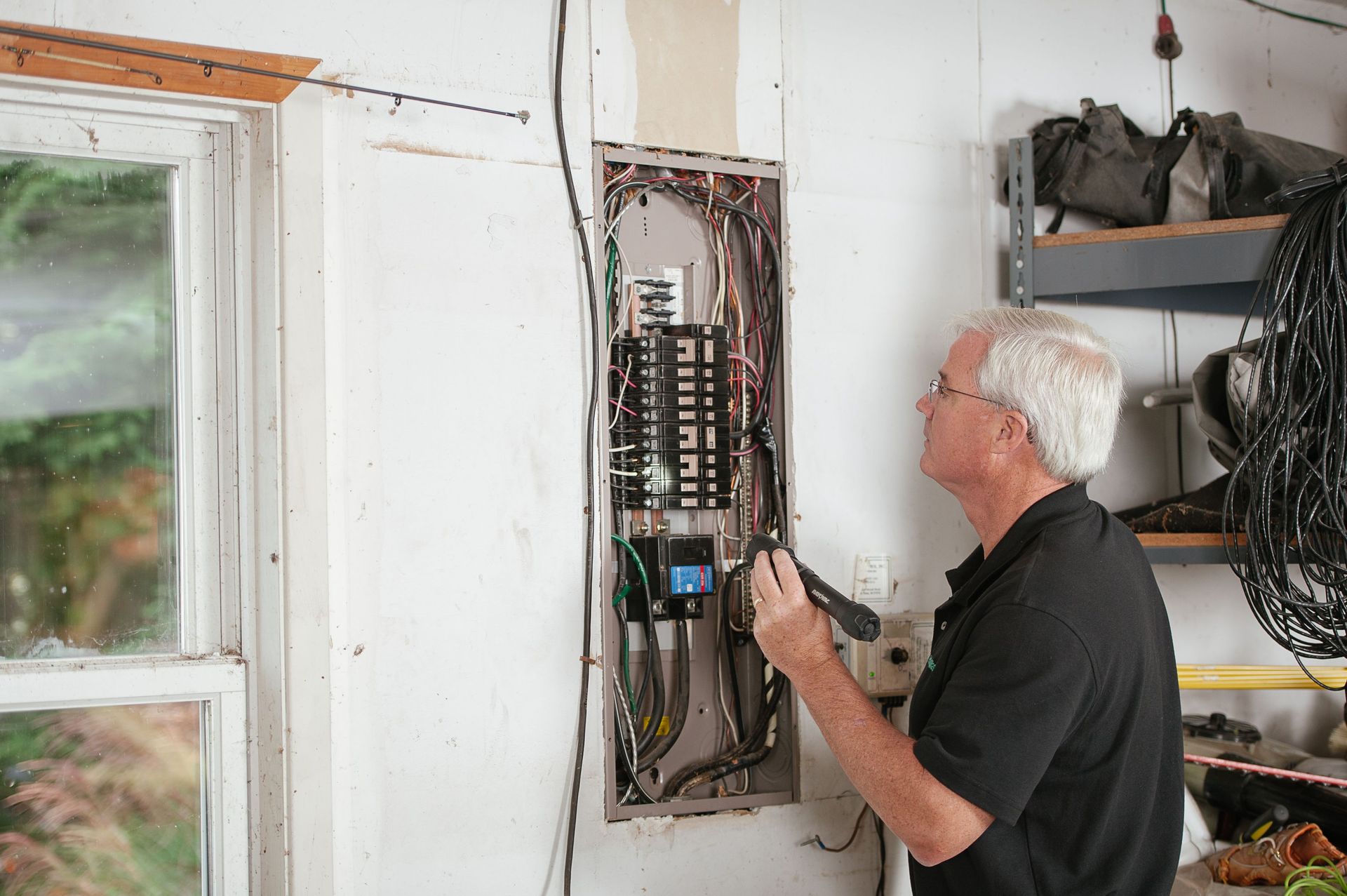
Trophy Electric's commercial electrical team sees recurring patterns in car wash facilities that were built without proper attention to code requirements or long-term operating conditions:
- Motor failures from moisture intrusion: Motors in the wash area that are not adequately sealed against water intrusion — or that are running hot due to undersized circuits — fail prematurely. The symptom is usually a tripped overload or burned motor windings. The remedy often includes upgrading the motor's enclosure rating and verifying that the branch circuit is correctly sized.
- Tripping breakers on conveyor and pump circuits: In older facilities, breakers that trip repeatedly under normal load usually indicate one of three things — the motor is drawing more current than designed due to wear or mechanical binding, the circuit was undersized for the motor's actual FLC, or a motor starting issue is causing sustained high-current draws.
- Corroded connections in wet location enclosures: Even NEMA 4 and 4X enclosures can experience moisture intrusion at conduit entry points if conduit fittings are not properly sealed. Over time, corroded connections in starters and disconnect enclosures create high-resistance connections that cause voltage drop, overheating, and eventually connection failure.
- Undersized electrical service: Facilities that started with one bay format and expanded — or that added automated payment systems, LED canopy lighting, and enhanced chemical systems — frequently find their original service entrance is no longer adequate. A load calculation and service upgrade assessment is the first step before adding significant new electrical load.
Schedule a Commercial Car Wash Electrical Assessment in South Florida
Trophy Electric provides commercial electrical services for car wash operators, petroleum contractors, and facility developers throughout Palm Beach and Broward Counties. Our commercial electrical contractor team has hands-on experience with the electrical demands of car wash facilities — from initial service sizing and permitting through motor circuit installation, control wiring, and final inspection.
We also specialize in the intersection of petroleum and car wash electrical work — facilities that combine a gas station electrical system with a car wash operation, where both Article 514 hazardous location requirements and wet location code compliance apply simultaneously.
If your car wash facility is experiencing recurring electrical issues, planning an expansion, or preparing for a new build, contact Trophy Electric for a free electrical assessment.
Call 954-995-9375 or visit our contact page to get started.
Recent Posts