
Florida Electrical Permit Requirements: What Property Owners and Contractors Need to Know
Every electrical project in Florida, from a panel upgrade in Boca Raton to a commercial tenant build-out in Fort Lauderdale, starts with the same question: do I need a permit? The short answer for most projects is yes. Florida's electrical permitting system exists to protect property owners, occupants, and the public by ensuring all work meets the safety standards set by the National Electrical Code (NEC) and the Florida Building Code. Skipping a permit does not just risk a fine. It can lead to failed inspections, insurance claim denials, and serious safety hazards that put lives at risk.
This guide breaks down when electrical permits are required in Florida, how the process works in Palm Beach and Broward Counties, what happens during an inspection, and why working with a licensed electrical contractor is the only way to do it right.
What Is an Electrical Permit and Why Does Florida Require One?
An electrical permit is a legal authorization issued by your local building department, known as the Authority Having Jurisdiction (AHJ), that confirms your planned electrical work complies with applicable codes before it begins. In Florida, the permitting framework is governed at the state level by Florida Statutes Chapter 489, Part II , which regulates electrical and alarm system contracting. This statute requires that all electrical contracting be performed by licensed professionals, with very limited exceptions for property owners doing work on their own single-family residence.
Florida currently enforces the 8th Edition (2023) of the Florida Building Code, which adopted the 2020 National Electrical Code (NEC), effective December 31, 2023. This means all permit applications submitted after that date must demonstrate compliance with the 2020 NEC standards. The NEC is published by the National Fire Protection Association (NFPA) as NFPA 70, and it serves as the baseline for electrical safety nationwide.
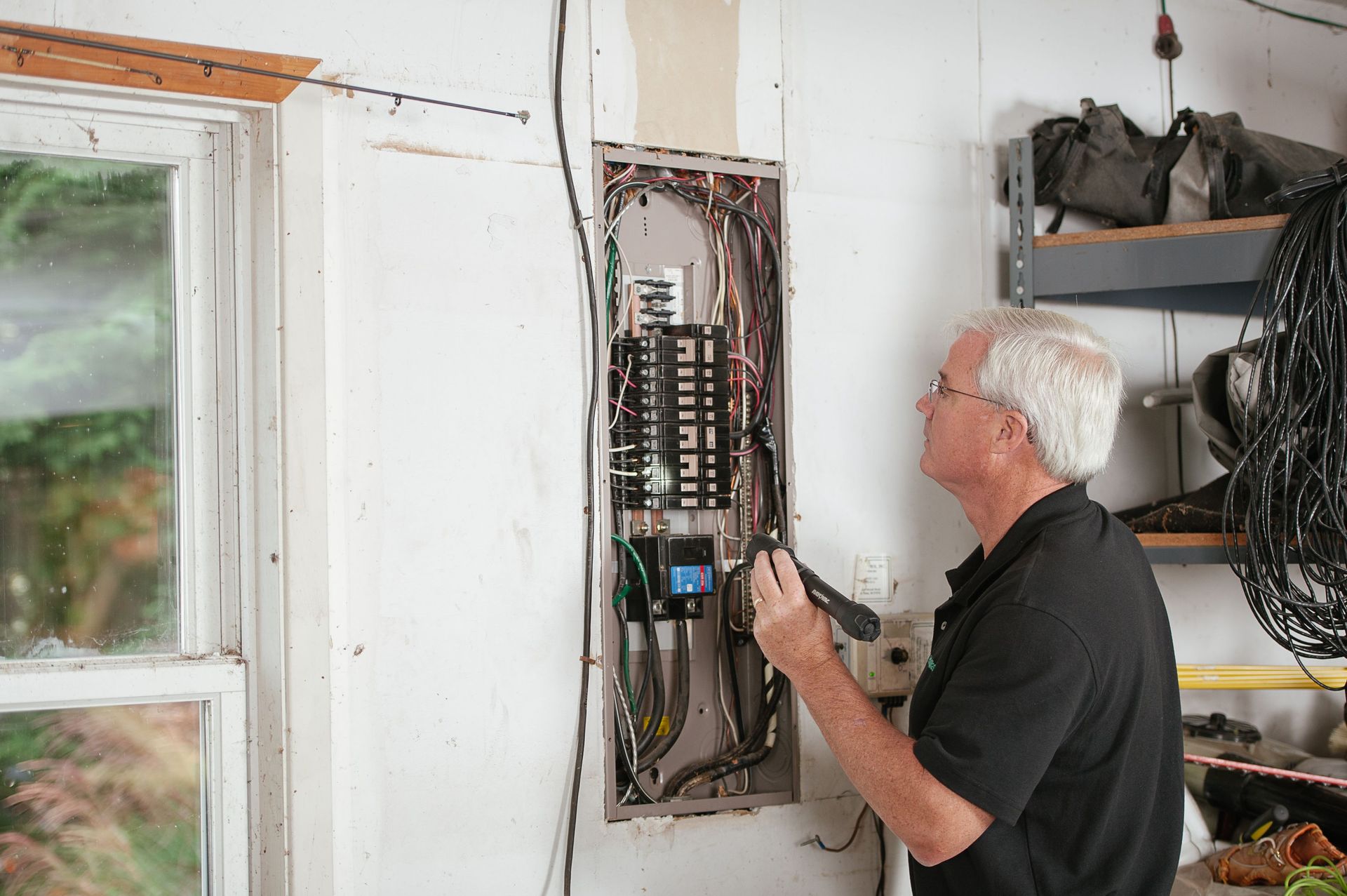
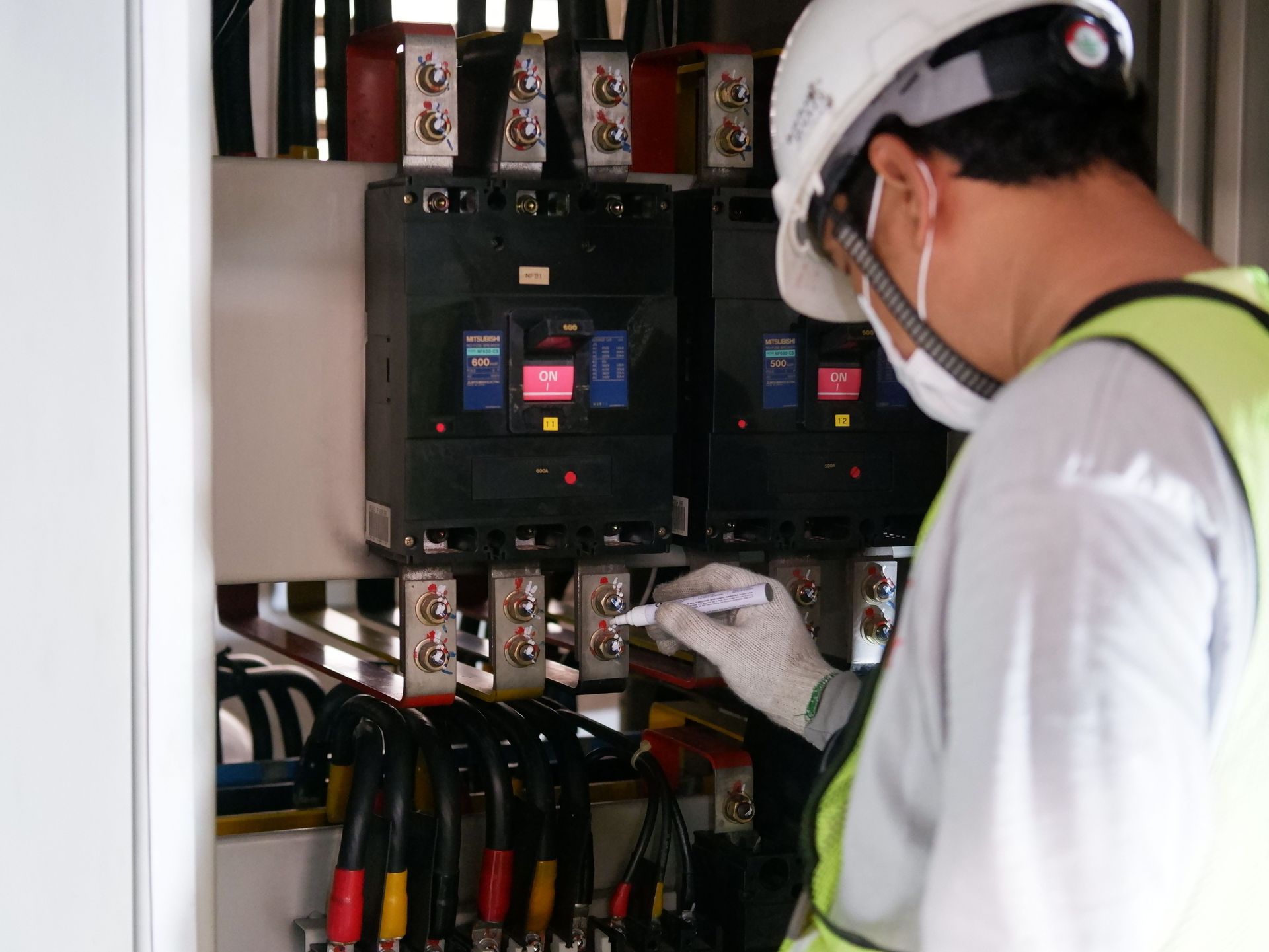
The purpose of the permit is straightforward: it creates a documented chain of accountability. A licensed contractor pulls the permit, the work is performed to code, and an independent inspector from the building department verifies the installation before it is energized or concealed. This process catches wiring errors, code violations, and safety hazards before they become problems.
When Is an Electrical Permit Required in Florida?
The general rule is that any electrical work that involves modifying, adding to, or replacing the permanent wiring in a structure requires a permit. This applies to both residential and commercial properties. Common projects that require electrical permits include new wiring or rewiring (whether for a room addition, renovation, or full rewire), electrical panel upgrades or replacements, service upgrades (such as going from 100 amp to 200 amp service), generator installations (both the unit and the required transfer switch wiring), new lighting installations including ceiling fans and recessed lighting in kitchens and bathrooms, outlet and switch additions, EV charger installations, and all outdoor electrical work including landscape lighting that connects to building wiring.
There are some activities that generally do not require a permit, such as replacing a light switch or outlet with one of the same rating in the same location, changing a light bulb or fixture of the same type, and operating portable generators that are not permanently connected to building wiring. However, even these boundaries can vary by jurisdiction. When in doubt, call your local building department or ask your electrician.
It is worth noting that Florida law does allow property owners to pull their own electrical permits for work on a single-family or duplex residence they own and occupy, per Florida Statutes Section 489.503. However, the property cannot be built for sale or lease. If you sell or lease more than one building you have wired yourself within one year after construction, the law presumes it was built for sale, which is a violation. For commercial properties, there is no such exemption. A licensed electrical contractor must perform and permit the work.
How the Electrical Permit Process Works in Palm Beach and Broward Counties
The permitting process in South Florida follows a standard sequence, though specific timelines and requirements can vary between municipalities. In Palm Beach County , the building division enforces its own amendments to the Florida Building Code in addition to the base state code. Broward County has its own set of local amendments as well. Both counties classify South Florida as a High Velocity Hurricane Zone (HVHZ), which adds additional requirements for wind resistance and structural integrity that can affect electrical installations, particularly for outdoor equipment and service entrances.
The general steps are as follows. First, a licensed electrical contractor submits a permit application to the local building department, either online or in person. The application includes a description of the work scope, relevant plans or diagrams, and the contractor's license information. Second, the building department reviews the application for code compliance. For straightforward residential work, this can be relatively quick. For commercial projects, plan review may take several weeks, with South Florida averaging 4 to 6 weeks for commercial permits. Third, once approved, the contractor performs the work. Fourth, the contractor calls for inspections at required stages (rough-in and final are typical). An inspector from the building department visits the site to verify compliance. Fifth, upon passing final inspection, the permit is closed and the work is officially approved.
Delays most often occur when documentation is incomplete, when the scope of work changes mid-project, or when the installation does not pass inspection on the first attempt. A contractor who regularly works with Palm Beach and Broward building departments knows the specific documentation each office expects and the common issues inspectors flag, which keeps projects moving on schedule.
What Happens If You Skip the Permit?
Unpermitted electrical work creates a cascade of problems that extend well beyond the project itself. If your insurance company discovers that electrical work was done without a permit and that work contributed to a loss (such as a fire), the claim can be denied. If you try to sell the property, unpermitted work can surface during a buyer's inspection and either kill the deal or force expensive remediation. Your local building department can also issue stop-work orders and fines, and in some cases require you to open finished walls so an inspector can evaluate the concealed wiring.
For contractors, performing unpermitted electrical work in Florida is a violation of Florida Statutes Chapter 489, Part II , and can result in disciplinary action by the Electrical Contractors' Licensing Board, including fines, license suspension, or revocation. The risk is not worth it for anyone involved.
Why a Licensed Electrical Contractor Matters
Florida distinguishes between several types of electrical licenses, but for most residential and commercial work, you need a state-certified electrical contractor (EC) or, for the highest level of qualification, a master electrician. A licensed contractor is someone who has met the experience requirements, passed both business and technical examinations, maintains continuing education (including updates on NEC code changes), and carries the required insurance and workers' compensation coverage, as defined by the Florida Electrical Contractors' Licensing Board.
When you hire a licensed contractor, you are hiring someone who is legally qualified to pull permits, who is accountable to the state licensing board, and whose work will be inspected by the local building department. This is especially critical for specialized work like hazardous location electrical installations (gas stations, marinas, and facilities handling petroleum products), commercial three-phase power systems, and any project in a High Velocity Hurricane Zone where local amendments add requirements beyond the base NEC.
At Trophy Electric LLC, we are a Florida Licensed Master Electrician serving Boca Raton, Delray Beach, Boynton Beach, Pompano Beach, Deerfield Beach, Fort Lauderdale, and communities throughout Palm Beach and Broward Counties. We handle permitting as part of every project, working directly with local building departments to ensure smooth approvals and inspections. With three generations of master electrician experience, we bring the technical expertise and code knowledge that keeps your project compliant, safe, and on schedule.
Key Takeaways for Property Owners and Contractors
Florida takes electrical safety seriously, and the permitting process is designed to protect everyone involved. Most electrical work requires a permit, the 2020 NEC is the current standard under the 8th Edition Florida Building Code, and only licensed electrical contractors should be performing and permitting the work. Cutting corners on permitting puts your property, your safety, and your investment at risk.
If you have an upcoming electrical project in South Florida, whether it is a panel upgrade, generator installation, commercial build-out, or specialized petroleum or marina electrical work, contact Trophy Electric LLC for a free estimate. We will handle the permitting, the installation, and the inspection, so you can focus on what matters.
Recent Posts