Hurricane Season Electrical Preparation: A South Florida Property Owner's Checklist

Trophy Electric LLC • May 8, 2026

Share this article

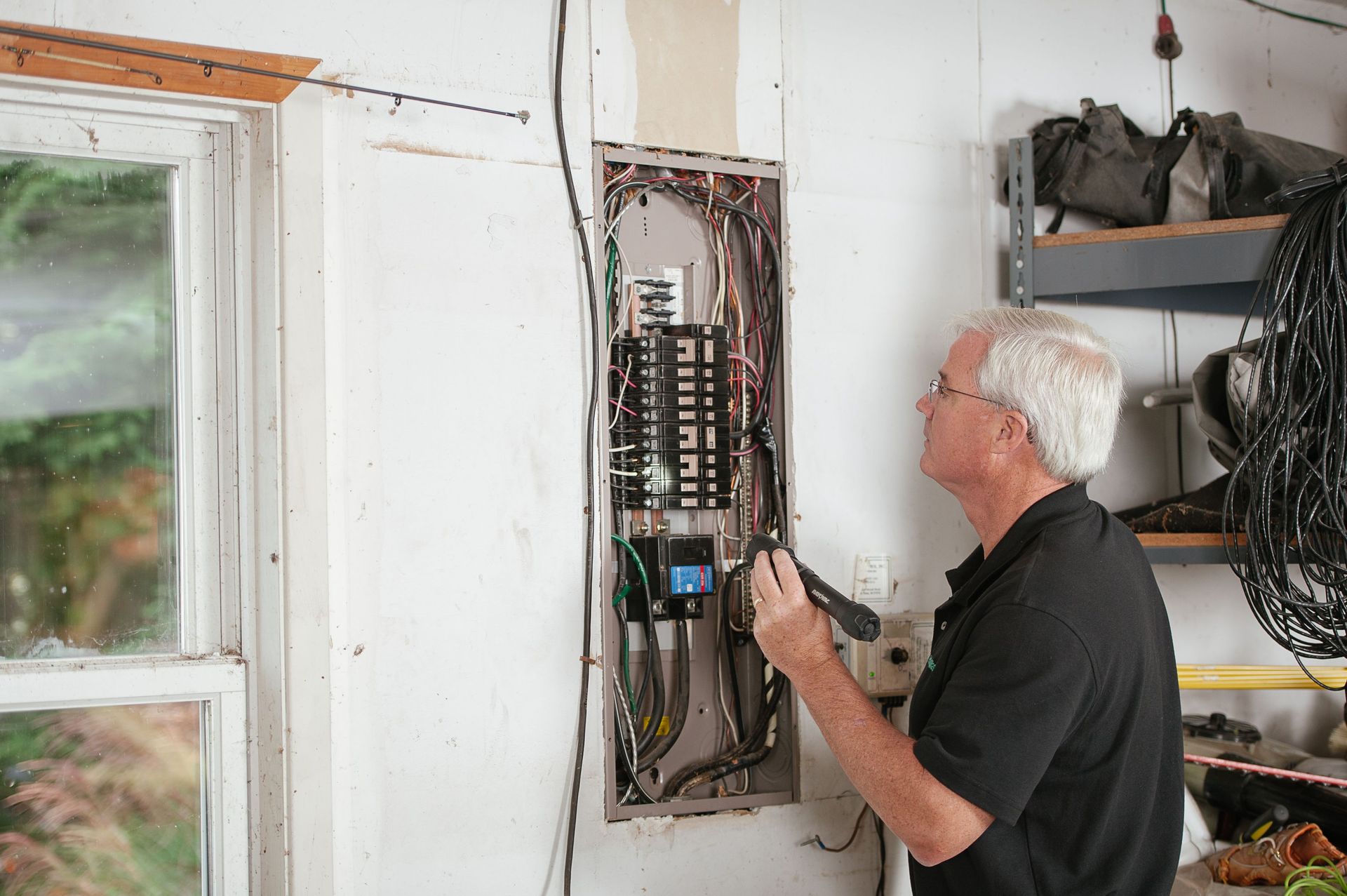
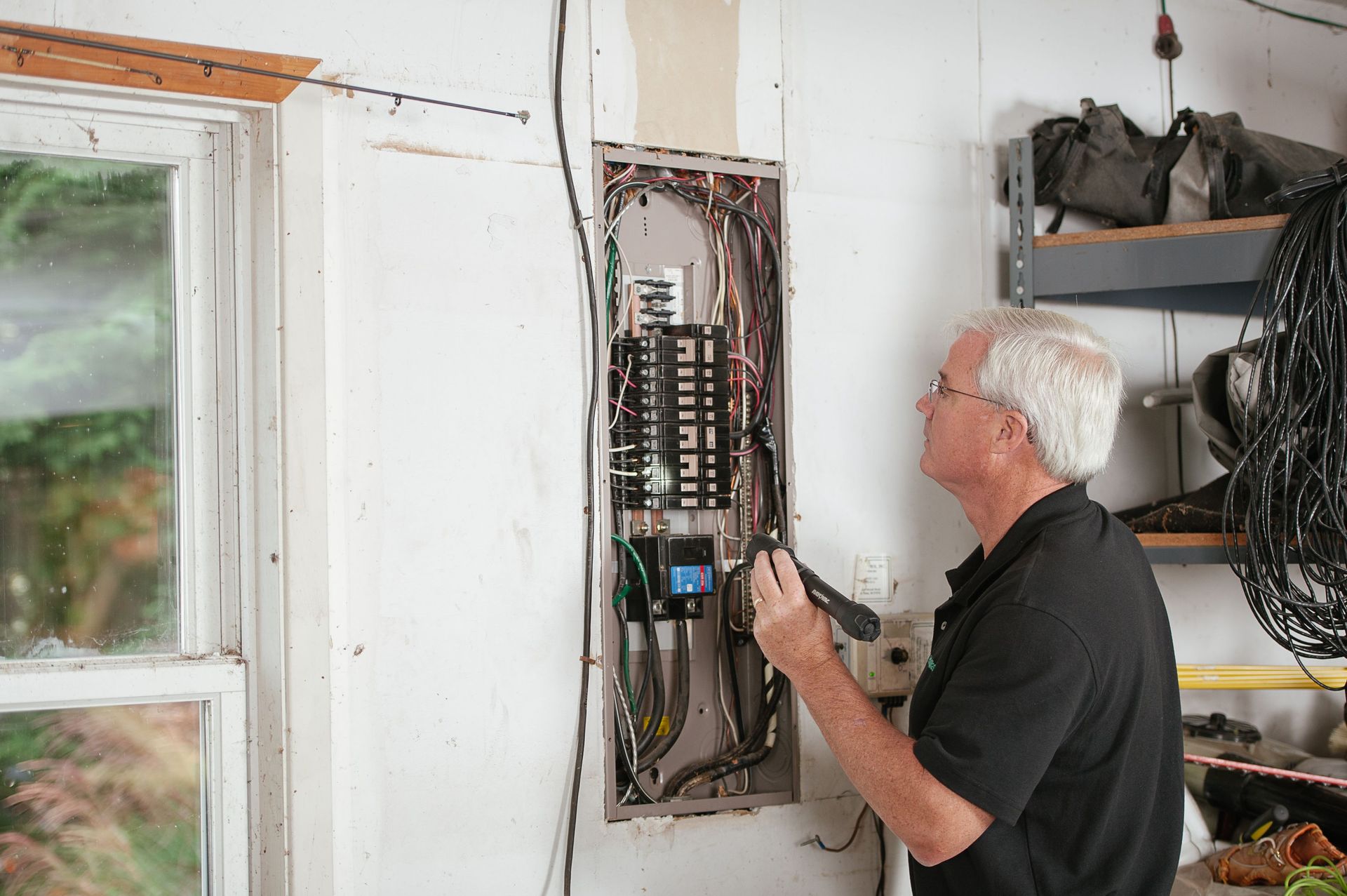
Hurricane season in South Florida runs June 1 through November 30, but the preparation work that makes a difference happens before a storm is ever named. For Boca Raton homeowners and commercial property owners throughout Palm Beach and Broward Counties, the electrical system is both one of the greatest sources of storm-related risk and one of the most actionable areas to harden before the season begins.

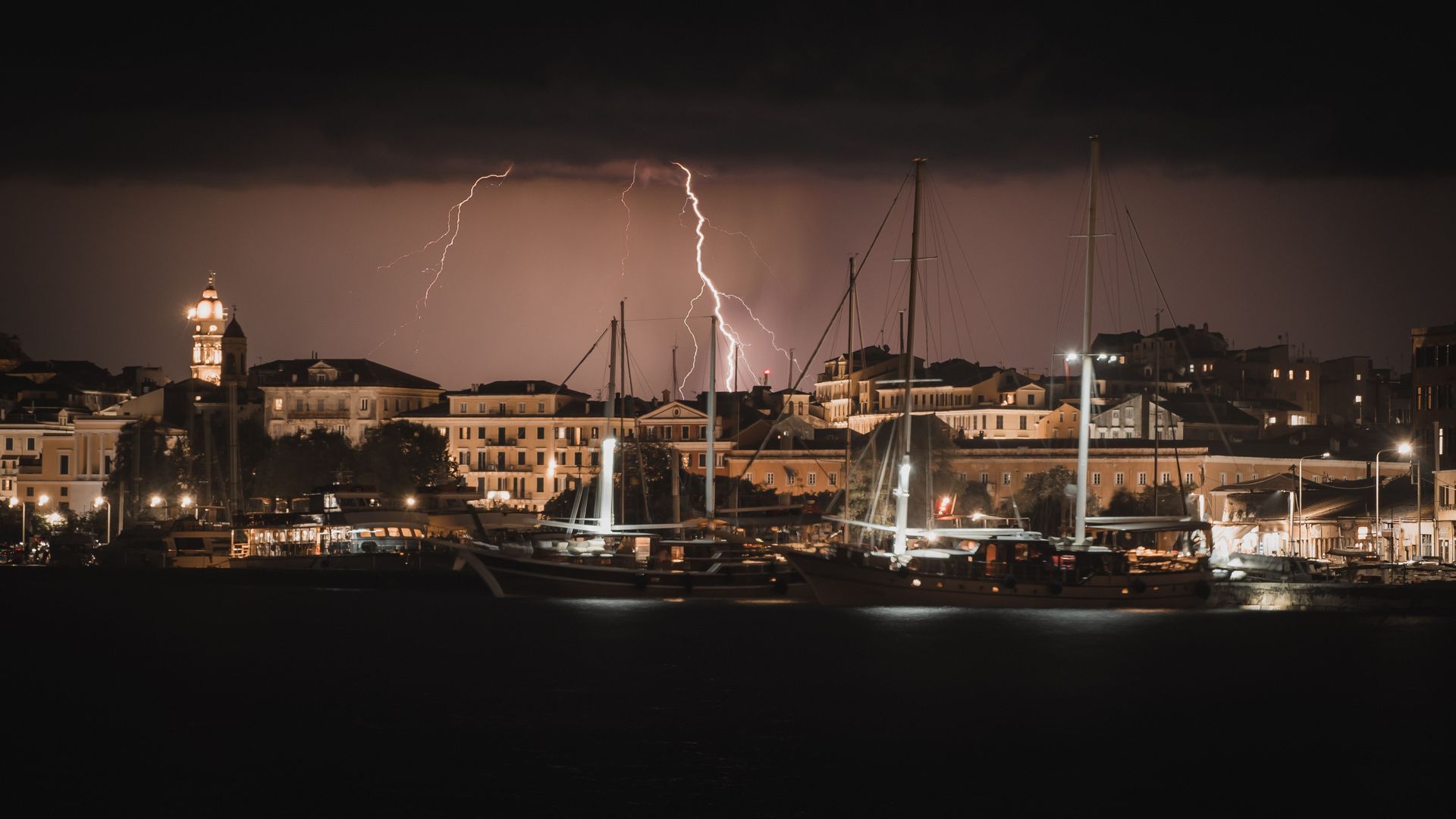
Florida is the most lightning-dense state in the country. According to Vaisala's National Lightning Detection Network (NLDN) data, the Miami–Fort Lauderdale metropolitan area recorded more cloud-to-ground lightning strokes than any other major U.S. metro in 2023 — more than 35 strokes per square kilometer. By lightning density, Florida consistently leads all 50 states. That sustained electrical exposure, combined with the flooding, wind damage, and power outages that accompany hurricane season, makes electrical preparedness a specific and serious obligation for South Florida property owners.

This checklist covers the key electrical preparation steps before a storm, what not to do during and after, and how Trophy Electric supports South Florida property owners with 24/7 emergency electrical service throughout hurricane season.

Pre-Storm Electrical Checklist for Boca Raton and South Florida Property Owners

1. Install Whole-Home Surge Protection

Surge Protective Devices (SPDs) are no longer optional under the NEC. NEC 2020 Section 230.67 mandates SPDs for all new dwelling unit services and for any service that is replaced. Florida has adopted the 8th Edition Florida Building Code incorporating the 2020 NEC, which means this requirement applies to all new construction and panel replacements statewide.

For existing homes that predate the requirement, installing a whole-home SPD is one of the highest-value pre-hurricane investments a South Florida homeowner can make. Lightning-induced transient voltage events travel through the utility lines and enter the home through the service entrance — a surge protector at the panel intercepts that energy before it reaches your appliances, electronics, HVAC equipment, and safety devices like GFCI breakers and smoke detectors. In a region where lightning accompanies virtually every hurricane and severe thunderstorm, whole-home surge protection is not a luxury item.

Type 1 and Type 2 SPDs are the NEC-recognized types for service entrance installation. Both must be installed by a licensed electrician because they connect directly to the service entrance equipment inside the electrical panel. Trophy Electric installs whole-home surge protection throughout Boca Raton, Delray Beach, Pompano Beach, and surrounding South Florida communities.

2. Inspect and Test Your Generator and Transfer Switch

A whole-home standby generator is only as useful as its connection to your electrical system — and that connection must include a properly installed transfer switch. NEC Article 702 governs optional standby systems (which is the classification for residential generators). The code requires that the transfer equipment physically isolate the generator from the utility supply — meaning the generator circuit and the utility feed cannot be energized simultaneously. This requirement protects utility workers and electricians from backfeed hazards during line restoration work after the storm.

Before hurricane season, verify that your generator starts and runs under load, the transfer switch operates correctly, the fuel supply (propane, natural gas, or diesel) is at adequate levels, and the generator's electrical connection and transfer switch have not developed any corrosion or mechanical issues from the previous year. Trophy Electric performs generator inspections and transfer switch testing throughout Palm Beach County.

3. Inspect the Service Entrance, Weatherhead, and Outdoor Panel

The service entrance — the point where the utility company's conductors connect to your home's electrical system — is the most exposed component of your electrical installation. A pre-storm service entrance inspection should check for:

  • Weatherhead condition: The weatherhead (the curved conduit at the top of the service mast) should be firmly secured, free of cracks, and properly sealed against water intrusion. A damaged weatherhead can allow water to travel down the service entrance conductors into the meter socket and panel.
  • Service mast integrity: In South Florida, service masts are exposed to wind load every hurricane season. A mast that is not adequately braced to the structure can flex under high wind, pulling the utility conductors and potentially damaging the service entrance.
  • Outdoor panel condition: If your main electrical panel or a subpanel is mounted outdoors — common in Florida construction — verify the enclosure is sealed, the cover gasket is intact, and there are no signs of corrosion or moisture intrusion.
  • Tree and vegetation clearance: Trees and palm fronds that overhang service entrance conductors can come down on the lines during a storm, pulling the service entrance away from the building. Coordinate with an arborist before hurricane season to clear conductors of overhanging vegetation.

4. Secure Outdoor Electrical Equipment

Outdoor electrical equipment — disconnect switches, pool equipment panels, generator enclosures, EV charger pedestals, and landscape lighting transformers — should be evaluated for hurricane exposure. Equipment that is not rated for wind-driven rain, or that is positioned in an area subject to flooding, should be identified and protected. Generator inlet boxes and transfer switch enclosures should be verified as properly sealed before the storm.

5. Verify GFCI and AFCI Protection Is Functioning

Test every GFCI outlet in your home before hurricane season using the test/reset buttons on the devices or a GFCI outlet tester. GFCI protection is particularly critical in outdoor areas, garages, bathrooms, kitchens, and pool equipment areas — locations where post-storm flooding or water intrusion creates ground fault risk. Any GFCI that fails to trip during testing should be replaced before the storm season.

Generator Safety: What Florida Property Owners Must Know

Portable generators kill people in South Florida every hurricane season. The cause is almost always carbon monoxide poisoning from generators operated indoors, in garages, or near open windows — and the secondary cause is improper connection that bypasses the transfer switch and energizes utility conductors with generator power.

If you own a portable generator, these rules are not optional:

  • Never connect a portable generator to your home's wiring through an extension cord plugged into a wall outlet, a dryer outlet, or any other household receptacle. This practice — called backfeeding — energizes utility conductors and has killed utility workers restoring power after storms.
  • A properly installed transfer switch or interlock kit is the only code-compliant method of connecting a portable generator to a home's electrical system. NEC Article 702 requires that the transfer equipment prevent the simultaneous operation of the utility supply and the generator.
  • Operate portable generators at least 20 feet from the home, away from windows, doors, and vents. Carbon monoxide from generator exhaust is odorless and has caused deaths in homes with generators operating as close as 20 feet from an open garage door.
  • For whole-home standby generators on natural gas or propane with automatic transfer switches, confirm the automatic transfer function is tested annually before hurricane season.

Post-Storm Electrical Safety: What South Florida Property Owners Should Never Do

After a hurricane or major storm, the impulse to restore power and return to normal is understandable. The decisions made in the first 24 to 72 hours after storm damage are when the most serious electrical incidents occur.

Do Not Re-Energize a Flooded or Physically Damaged Electrical System

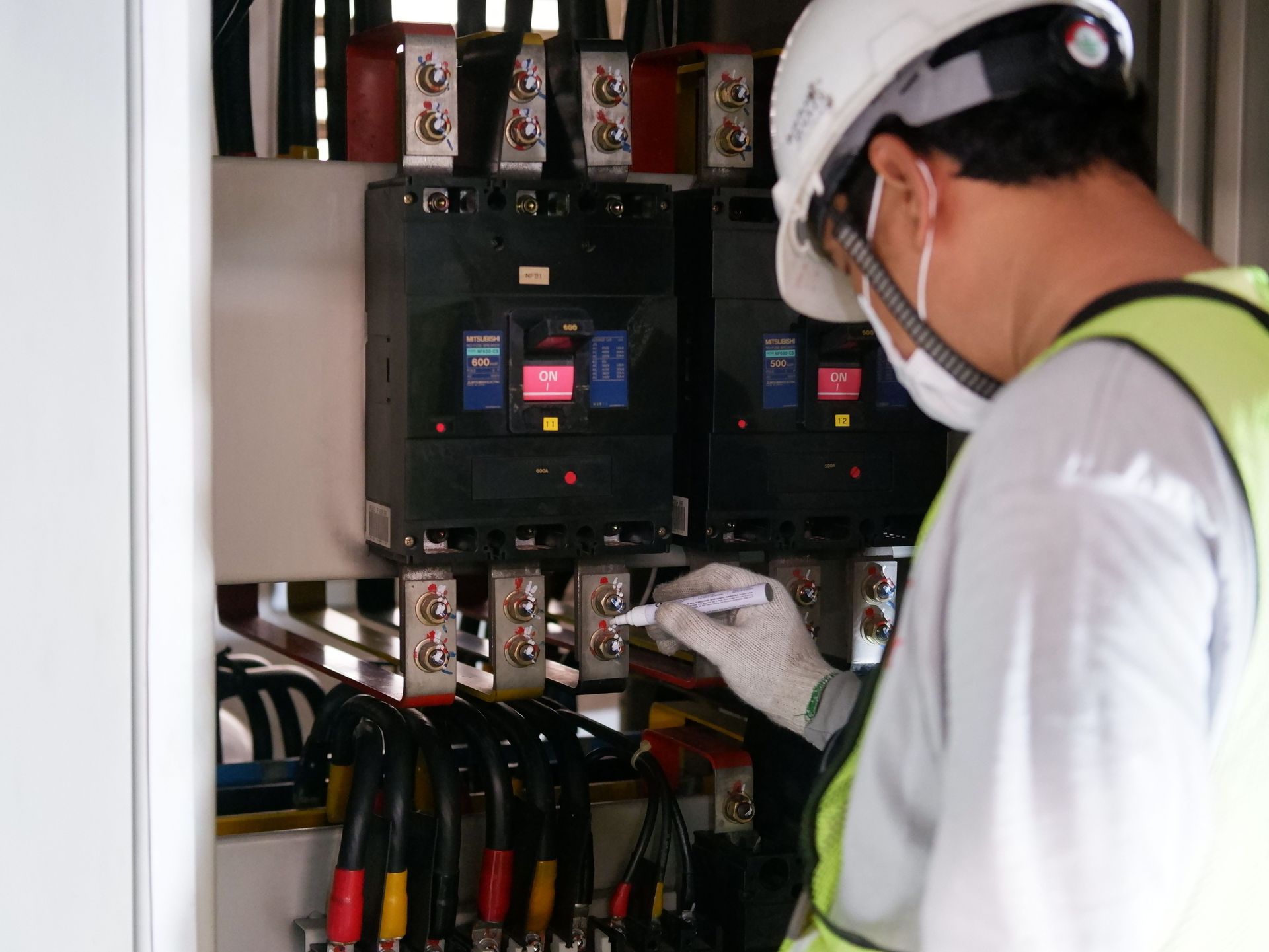
If your home or commercial property sustained flooding, wind damage that breached the roof or walls, or direct structural damage near the electrical panel or service entrance, do not re-energize the electrical system until a licensed electrician has performed a post-storm inspection. Water intrusion into electrical panels, junction boxes, and outlet enclosures creates dangerous fault conditions that are not visible from the outside. Panels and wiring that appear undamaged may have sustained moisture exposure that compromises insulation and creates shock and fire hazards when re-energized.

Permits Are Still Required After Storm Damage

Florida's emergency management orders may activate expedited permitting procedures after declared disasters, but they do not eliminate the permit requirement for electrical repairs. The Florida Division of Emergency Management and local building authorities maintain permitting requirements even in emergency conditions. Unpermitted post-storm electrical repairs create the same insurance and liability complications as any other unpermitted work — and a home that was repaired without permits may face complications at the next inspection or sale.

Downed Power Lines Are Always Energized

A downed power line on or near your property is a utility emergency. Never assume a downed line is de-energized. Contact Florida Power & Light (FPL) or your utility provider, stay at least 30 feet away, and keep others away until the utility has confirmed the line is de-energized.

24/7 Emergency Electrical Service in Boca Raton and South Florida

Trophy Electric provides 24/7 emergency electrical service for residential and commercial properties throughout Palm Beach County, Broward County, and surrounding South Florida communities. During and after hurricane season, our residential electrical contractor and commercial electrical contractor services include post-storm electrical inspections, panel assessments, service entrance evaluations, and generator transfer switch installations.

Matthew Gulino and the Trophy Electric team are based in Boca Raton and serve Palm Beach and Broward Counties year-round. Three generations of electrical expertise, available when you need it most.

For pre-hurricane electrical inspections and surge protection installations, or for post-storm emergency service, call 954-995-9375 or visit our contact page.

Recent Posts

By Trophy Electric LLC May 1, 2026
NEC requirements for boat lift electrical installation: GFCI protection, grounding, weatherproof disconnects, and dock safety. Trophy Electric LLC serves dock owners and marinas throughout Palm Beach and Broward Counties.
By Trophy Electric LLC April 24, 2026
What to look for when hiring a hazardous location electrical contractor in Florida: licensing, certifications, insurance, and experience. Trophy Electric LLC maintains the specialized credentials for petroleum and marina electrical work.
Electrical requirements for car wash installations: motor circuits, wet location code compliance, GF
By Trophy Electric LLC April 17, 2026
Electrical requirements for car wash installations: motor circuits, wet location code compliance, GFCI protection, and chemical storage classifications. Trophy Electric LLC serves car wash operators throughout South Florida.
By Trophy Electric LLC April 10, 2026
NEC Article 514 requirements for fuel dispenser electrical installations at gas stations and marina fuel docks. Learn about hazardous location wiring, conduit seals, and grounding. Trophy Electric LLC is South Florida's petroleum electrical specialist.
By Trophy Electric LLC March 31, 2026
Need an electrical permit in Florida? Learn when permits are required, the application process in Palm Beach and Broward Counties, and how a licensed master electrician ensures code compliance. Contact Trophy Electric LLC for expert guidance.
A white sticker on a door with a DANGER header, Electrocution Hazard text, and a diagram of a crane near power lines.
By Trophy Electric LLC March 31, 2026
Understand NEC Article 500 hazardous location classifications: Class I, II, III and Division 1 vs Division 2. Learn what electrical equipment is required for gas stations, marinas, and petroleum facilities. Trophy Electric LLC specializes in hazardous location work in South Florida.
A marina at twilight with boats docked along the shore, reflected in calm, dark water under a deep blue sky.
By Trophy Electric LLC March 31, 2026
Learn NEC Article 555 requirements for marina electrical systems in Florida: shore power, ground-fault protection, datum plane rules, and fuel dock compliance. Trophy Electric LLC is South Florida's marina electrical specialist.