Hazardous Location Electrical Classifications: Class I Division 1 vs Division 2 Explained
If your facility handles flammable gases, combustible dusts, or ignitable fibers, the electrical systems inside it must meet a completely different standard than a typical commercial or residential building. The National Electrical Code (NEC) classifies these environments as "hazardous (classified) locations" and imposes strict requirements on every piece of electrical equipment installed in them. Getting this wrong does not just mean a failed inspection. It means the potential for an explosion, a fire, or loss of life.
This guide explains how the NEC classifies hazardous locations under the Class and Division system, what each classification means in practical terms, the types of electrical equipment and protection methods required, and why this work demands a contractor with specialized certification and experience.
What Makes a Location "Hazardous" Under the NEC?
According to NEC Article 500 , a hazardous (classified) location is any area where the possibility of fire or explosion exists due to the presence of flammable or combustible gases, vapors, combustible dusts, or easily ignitable fibers and flyings. Electric arcs, sparks, and heated surfaces from electrical equipment can serve as ignition sources in these environments, which is why the NEC mandates specialized equipment and installation methods.
Article 500 provides the foundation for applying the more specific requirements in Articles 501 (Class I), 502 (Class II), and 503 (Class III) , as well as Articles 510 through 516, which cover specific occupancies like gas stations (Article 514) and commercial garages (Article 511). Before any of those articles can be applied correctly, the location must first be properly classified under Article 500.
A critical requirement that is often overlooked: all areas designated as hazardous locations must be documented on an area classification drawing, per NEC Section 500.4. This documentation must be available to anyone who designs, installs, inspects, maintains, or operates the electrical equipment in that area. The responsibility for determining the classification typically falls to the facility engineer, fire marshal, or insurance underwriter, not the electrical contractor or inspector.
Understanding the Three Classes
The NEC organizes hazardous locations into three classes based on the type of hazardous material present.
Class I locations contain flammable gases, flammable liquid-produced vapors, or combustible liquid-produced vapors in quantities sufficient to produce explosive or ignitable mixtures. This is the classification most relevant to gas stations, marinas with fuel dispensers, petroleum refineries, paint spray booths, and any facility where volatile liquids or gases are stored, handled, or processed. According to the NEC classification system , Class I gases and vapors are further divided into four groups (A, B, C, and D) based on ignition temperature, explosion pressure, and other flammable characteristics. Group A contains only acetylene. Group B includes hydrogen. Group C includes ethylene. Group D, the most common, includes propane, natural gas, gasoline vapors, and similar substances.
Class II locations contain combustible dust in quantities sufficient to produce explosive or ignitable mixtures. Examples include grain elevators, flour mills, coal processing plants, and metal dust environments. Class II dusts are divided into Groups E (combustible metal dusts like aluminum and magnesium), F (carbonaceous dusts like coal and carbon black), and G (other combustible dusts including grain, flour, wood, and starch).
Class III locations contain easily ignitable fibers or flyings that are not normally suspended in the air in sufficient quantities to produce ignitable mixtures. These are typically found in textile mills, cotton gins, woodworking facilities, and similar environments where fibers collect around machinery and lighting fixtures.
Division 1 vs. Division 2: The Critical Distinction
Within each Class, the NEC further categorizes locations into two Divisions based on the likelihood that the hazardous material will be present in ignitable concentrations.
Division 1 applies to locations where the hazardous atmosphere may exist under normal operating conditions. Per NEC Section 500.5(B)(1) , a Class I, Division 1 location is one where ignitable concentrations of flammable gases or vapors may exist during normal operations, during repair or maintenance activities, or where a breakdown in equipment could simultaneously release hazardous concentrations and create an ignition source from the electrical equipment itself. In practical terms, Division 1 includes areas directly around fuel dispensers, the immediate vicinity of open paint spray operations, and spaces where flammable gases are continuously or frequently present.
Division 2 applies to locations where the hazardous atmosphere is only present under abnormal conditions, such as an accidental rupture, equipment failure, or ventilation breakdown. According to NEC Article 500's Division 2 criteria , this includes areas where volatile flammable liquids or gases are handled in closed containers or systems and would only escape in the case of accidental rupture. It also includes areas adjacent to Division 1 locations where hazardous vapors might occasionally migrate. A common example is a storage room with sealed drums of flammable liquid: under normal conditions, no vapors are present, but a leaking drum would create a Division 2 condition.
The Division classification has enormous practical implications. Division 1 locations require the most stringent protections, including explosion-proof enclosures, intrinsically safe circuits, or purged and pressurized systems. Division 2 locations still require specialized equipment, but the requirements are somewhat less restrictive since the hazard is only expected under fault conditions. However, "less restrictive" is relative. Division 2 work still demands specialized knowledge, certifications, and equipment that most general electrical contractors do not carry.
Protection Methods for Hazardous Locations
The NEC specifies numerous protection techniques for electrical equipment in hazardous locations, outlined in NEC Section 500.7. The 2023 NEC expanded this list to include methods (A) through (U), up from (P) in the 2020 edition. Some of the most commonly used methods include explosion-proof enclosures (permitted in any Class I location for which they are identified), dust-ignition-proof enclosures (for Class II Division 1), dusttight enclosures (for Class II Division 2 and Class III), purged and pressurized systems (which maintain positive pressure to prevent flammable gas entry), intrinsically safe designs (which limit energy release below ignition thresholds), and hermetically sealed and oil-immersed equipment for specific Division 2 applications.
Every piece of equipment must be properly rated, listed, and identified for the specific Class, Division, and Group where it will be installed. Temperature classification is also critical, as equipment surface temperatures must remain below the ignition temperature of the specific gas, vapor, or dust present. Using equipment rated for Class I, Group D in a Group B (hydrogen) environment, for example, would be a serious code violation and a significant safety risk.
Real-World Applications in South Florida
In South Florida, the most common hazardous location work involves Class I environments in the petroleum and marine industries. Gas stations, marina fuel dispensers, car washes with chemical storage, and any facility handling fuel products all contain areas that must be classified and wired accordingly.
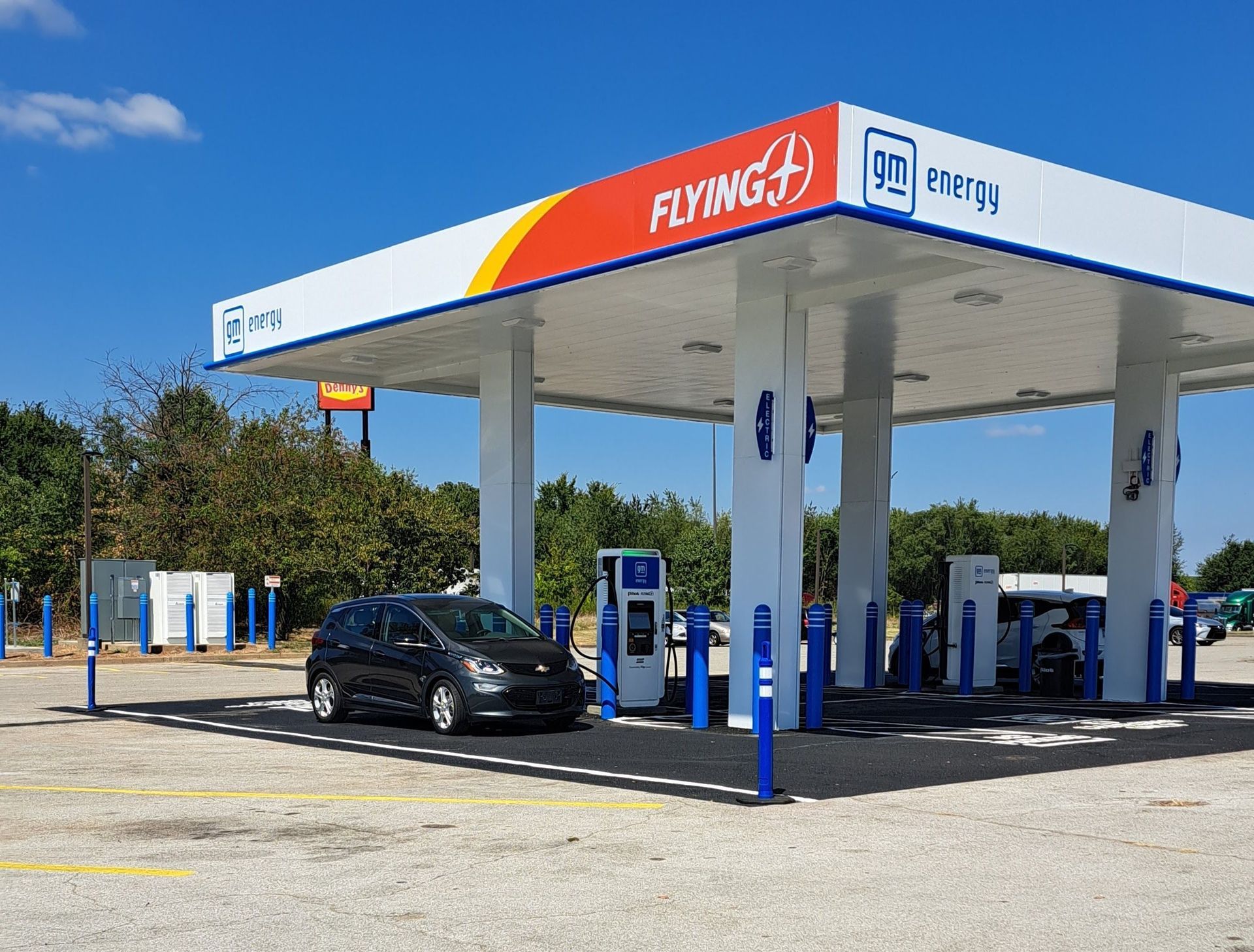
At a gas station, the area within the fuel dispenser itself is typically classified as Class I, Division 1, Group D. The area extending a specified distance around the dispenser transitions to Division 2. Electrical equipment inside the dispenser (wiring, motors, solenoids) must be explosion-proof or intrinsically safe. Conduit seals are required at specific points to prevent the migration of flammable vapors through the electrical system. The requirements are detailed in NEC Article 514 for motor fuel dispensing facilities.
At a marina, fuel dispensing areas carry similar Class I classifications, and NEC Article 555 adds further requirements specific to the marine environment, including ground-fault protection for equipment (GFPE) on feeders and shore power receptacles, elevation requirements for electrical equipment relative to the electrical datum plane, and mandatory safety signage warning of electric shock hazard in the water.
Why Specialized Electrical Contractors Are Essential for Hazardous Location Work
Hazardous location electrical work is not a job for a general electrician who happens to hold a state license. It requires specific knowledge of the NEC classification system, familiarity with explosion-proof and intrinsically safe equipment, understanding of conduit sealing requirements, experience reading and interpreting area classification drawings, and the specialized insurance coverage that most general contractors do not carry.
Most importantly, mistakes in hazardous location installations do not result in a tripped breaker or a flickering light. They result in explosions, fires, and fatalities. The stakes are categorically different from standard electrical work.
At Trophy Electric LLC, hazardous location electrical work is one of our core specializations. Our founder, Matthew Gulino, is a 3rd generation master electrician with hands-on experience in Class I, Division 1 and Division 2 environments across gas stations, marinas, car washes, and petroleum facilities throughout South Florida and the Caribbean. We maintain the specialized certifications and insurance required for this work, and we have a proven track record on major projects including marina fuel system installations at some of South Florida's most recognized waterfront properties.
If you operate a gas station, marina, car wash, or any facility that handles flammable materials in South Florida, your electrical systems must comply with NEC hazardous location requirements. Contact Trophy Electric LLC for a hazardous location electrical assessment or to discuss your next project.