How to Choose an Electrical Contractor for Hazardous Location Work in Florida

Trophy Electric LLC • April 24, 2026

Share this article

Hazardous location electrical work is a narrow specialty within the electrical trade. Most licensed electricians in Florida have the credentials to wire an office building, a retail space, or a home. Far fewer have the combination of licensure, certifications, insurance, and documented project experience required to perform electrical installations in classified locations — the fuel islands, marina fuel docks, chemical storage areas, and petroleum processing facilities where ignitable vapors create conditions that standard electrical equipment cannot safely handle.

For petroleum contractors, marina operators, and general contractors who need hazardous location electrical work done right, choosing the wrong electrical contractor does not just produce a failed inspection. It creates insurance voids, OSHA liability, and — in the worst case — conditions that lead to fire or explosion. This guide explains the specific qualifications to verify before awarding a hazardous location electrical project in Florida.

Understanding What 'Hazardous Location' Actually Means for Florida Contractors

The NEC defines hazardous classified locations in Articles 500 through 506, using a Class/Division system to describe areas where flammable vapors, gases, dusts, or fibers may create ignition risk. In South Florida, the most common classified locations are:

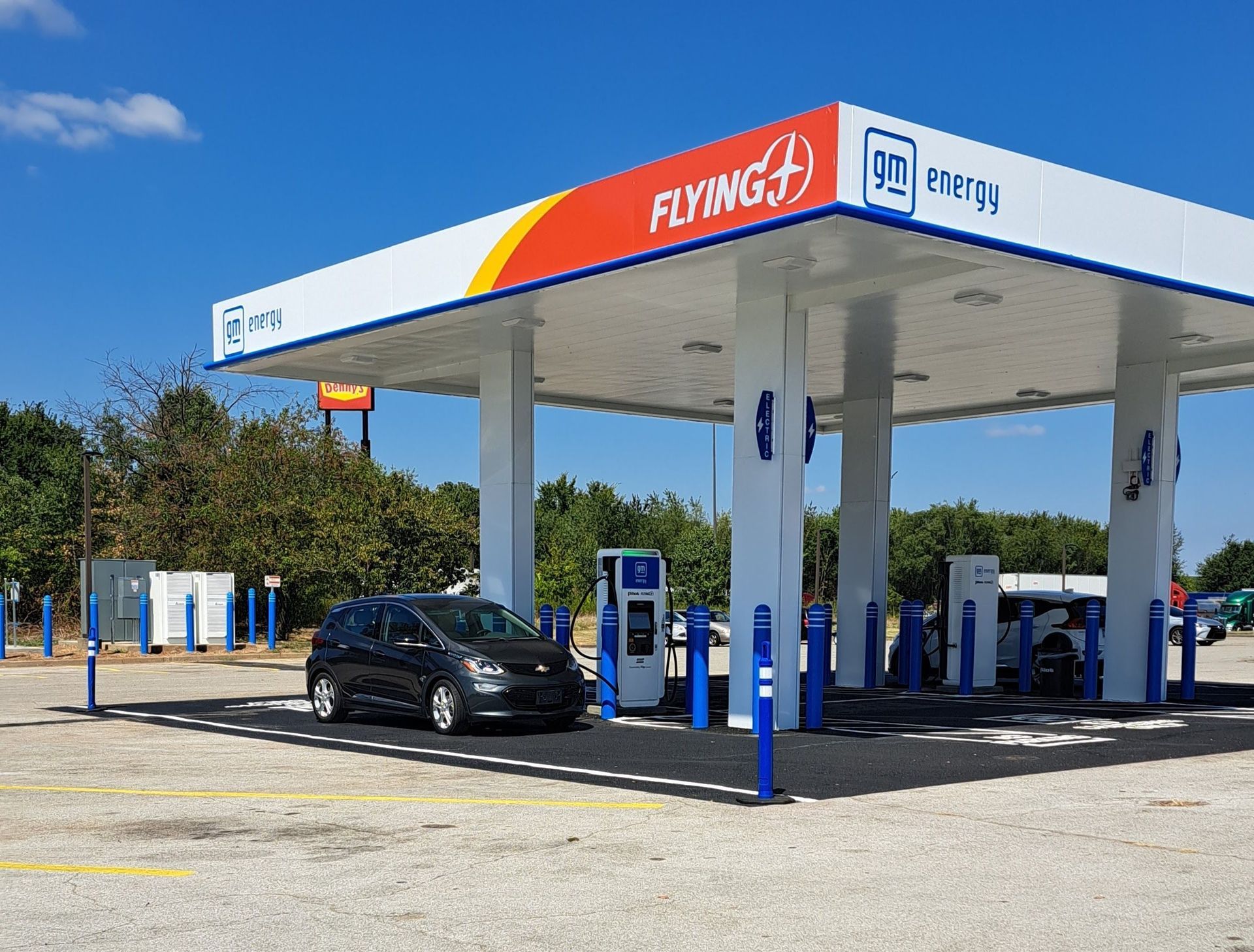
  • Class I, Division 1 and Division 2 locations at motor fuel dispensing facilities (governed by NEC Article 514) — gas stations, marina fuel docks, fleet fueling operations
  • Class I, Division 1 and Division 2 locations at marinas and boatyards where fuel dispensing and marine craft repair occur (governed by NEC Article 514 plus Article 555)
  • Chemical storage areas at car washes, industrial facilities, and other commercial properties where flammable solvents are stored
  • Locations involved in petroleum processing or transfer where vapor release is possible during normal operations

A hazardous location electrical contractor must understand not just how to wire these environments, but how to read and interpret area classification drawings, select equipment that is listed and marked for the specific class, group, and temperature class of the vapors present, install conduit sealing systems that prevent vapor migration, and coordinate the inspection documentation that an AHJ requires before the installation is energized.

Florida Licensing: What Is Actually Required for Hazardous Location Work

Florida electrical contractor licensing is governed by Florida Statutes Chapter 489, Part II and administered by the Electrical Contractors Licensing Board (ECLB) under the Department of Business and Professional Regulation (DBPR). Florida uses a dual-track licensing system:

  • State-Certified Electrical Contractor: A statewide license issued at the state level, authorizing electrical work throughout Florida. License numbers beginning with "C" indicate a certified contractor.
  • County-Registered Electrical Contractor: A contractor who holds a county-level competency card and has registered with the state. Registered contractors (license numbers beginning with "R") can only perform work in the county or counties where they hold a competency card.

Both license types require passing the state examination and meeting experience and insurance requirements. You can verify any Florida electrical contractor's license status, license type, and any disciplinary history at MyFloridaLicense.com.

The important nuance for hazardous location work: Florida's electrical licensing structure does not include a separate state-issued hazardous location endorsement. This means that holding a Florida Master Electrician or Electrical Contractor license does not, by itself, confirm that the contractor has the training, experience, or equipment knowledge required for classified location work. A standard electrical license permits a contractor to legally perform hazardous location electrical work, but it does not confirm competence to do so correctly.

This is why verification of actual qualifications — beyond the license itself — is essential before awarding a hazardous location project.

What to Verify Before Hiring a Hazardous Location Electrical Contractor in Florida

1. Active Florida Master Electrician License

Verify that the contractor holds an active, unrestricted Florida Electrical Contractor or Master Electrician license through the DBPR license verification tool. Confirm there are no active disciplinary actions, suspensions, or conditions on the license. A contractor who has received citations for performing unpermitted electrical work or code violations is a significant risk on a hazardous location project.

2. Hazardous Location Training and Certifications

Ask specifically about hazardous location training. While no single Florida state-issued hazardous location certification exists, reputable contractors in this space pursue formal training through NFPA, the International Association of Electrical Inspectors (IAEI), or industry-specific programs covering NEC Articles 500 through 517. Contractors who perform petroleum facility electrical work regularly should be able to discuss area classification methodology, explosion-proof equipment selection criteria, and conduit sealing requirements in detail — not in generalities.

3. Insurance That Covers Classified Location Work

This is the qualification that eliminates the most contractors from consideration. Standard commercial general liability policies frequently contain exclusions for work in hazardous classified locations. A petroleum electrical project that results in a fire or injury, performed by a contractor whose policy excludes that work, means no insurance coverage for the resulting claim.

Ask the contractor for a certificate of insurance that specifically covers hazardous location electrical work. Ask whether their policy includes petroleum facility work. Request that your organization be named as an additional insured on the policy for the duration of the project. A contractor who cannot provide documentation of classified location coverage should not be performing that work on your facility.

4. Area Classification Drawing Experience

NEC Section 500.4 requires that area classifications be documented on an area classification drawing and made available to the AHJ, the installer, the inspector, and operations staff. Ask whether the contractor produces or can coordinate area classification documentation. A contractor who has never produced or reviewed an area classification drawing is a contractor who has never performed this work correctly.

5. Project References on Similar Work

Request references that are specifically comparable to your project — not just general commercial electrical references. A petroleum contractor awarding fuel island electrical work should ask for references from other petroleum contractors or facility owners on fuel dispensing projects. A marina operator should ask for references from other marina operators or marine construction firms on marina fuel dock projects. Verify that the references describe actual classified location work, not adjacent general commercial work at the same facility.

6. Familiarity with Local AHJ Requirements in Palm Beach and Broward Counties

Florida's adoption of the 8th Edition Florida Building Code (incorporating the 2020 NEC) establishes the statewide baseline, but individual counties may have local amendments. Palm Beach County and Broward County both have active building divisions that apply code requirements specific to their jurisdictions. A contractor who regularly performs hazardous location work in South Florida should be familiar with the permitting process, common inspector focus areas, and documentation requirements in both counties.

The Real Risks of Hiring an Unqualified Hazardous Location Contractor in Florida

Failed Inspections and Project Delays

An inspector who encounters incorrect equipment ratings, missing conduit seals, improperly installed emergency disconnects, or inadequate bonding in a classified location will issue a stop-work order and rejection. In petroleum facility construction, delays caused by electrical inspection failures cascade into fuel system commissioning delays, which translate directly into revenue loss for the operator.

Insurance Coverage Voids

If a fire or safety incident occurs at a facility where electrical work was performed by a contractor without appropriate classified location insurance or training, the facility owner's insurance carrier will investigate whether the installation was code-compliant and whether the contractor was qualified. A non-compliant hazardous location installation can void coverage on a claim — leaving the facility owner exposed for the full cost of property damage or third-party liability.

OSHA Violations and Liability

OSHA's construction standards for hazardous locations, specifically 29 CFR 1926.407, require that electrical equipment in classified locations be approved as intrinsically safe or approved for the hazardous location. Equipment that does not carry the appropriate listing and marking for its installed location is an OSHA violation — regardless of whether an electrical permit was issued. OSHA violations at petroleum facilities carry significant penalties, and repeat violations can result in facility shutdown orders.

Catastrophic Safety Consequences

The NEC's classified location requirements exist because the consequences of electrical failure in these environments are not a tripped breaker or a burned-out fixture — they are fire and explosion. An improperly sealed conduit that allows fuel vapor to reach an arc-producing device inside a panel can produce exactly the outcome the code is designed to prevent. This is not a risk category where the downside of getting it wrong is rework. It is a risk category where getting it wrong can injure people and destroy property.

Why Petroleum Contractors and Marina Operators in South Florida Choose Trophy Electric

Trophy Electric is a Florida-licensed master electrician contractor based in Boca Raton, maintaining the specific qualifications — licensing, classified location certifications, petroleum-specific insurance coverage, and project experience — required for hazardous location electrical work throughout South Florida.

Our marina electrical contractor and gas station electrical contractor portfolios include projects at Pier 66 Marina in Fort Lauderdale, Island Gardens in Miami, and international marina fuel system installations in the Caribbean — all projects where the combination of NEC Article 514 petroleum requirements, NEC Article 555 marina requirements, and complex inspection processes demanded the full application of classified location expertise.

Founder Matthew Gulino is a third-generation electrician who has worked on hazardous location electrical installations throughout his career. Visit our About page to learn more about Trophy Electric's background, and contact us directly to verify our credentials, review our insurance documentation, or request project references.

Verify Credentials and Request References for Your Hazardous Location Project

If you are a petroleum contractor, marina operator, or general contractor with a classified location electrical project in Palm Beach County, Broward County, or elsewhere in South Florida, we welcome the opportunity to provide our license verification, insurance documentation, and project references before you make a hiring decision.

Call 954-995-9375, email info@trophyelectricllc.com, or visit our contact page to start that conversation.

Recent Posts

By Trophy Electric LLC May 8, 2026
Pre-storm electrical checklist for South Florida property owners: surge protection, generator requirements, and post-hurricane safety. Trophy Electric LLC offers 24/7 emergency electrical service in Boca Raton and beyond.
By Trophy Electric LLC May 1, 2026
NEC requirements for boat lift electrical installation: GFCI protection, grounding, weatherproof disconnects, and dock safety. Trophy Electric LLC serves dock owners and marinas throughout Palm Beach and Broward Counties.
Electrical requirements for car wash installations: motor circuits, wet location code compliance, GF
By Trophy Electric LLC April 17, 2026
Electrical requirements for car wash installations: motor circuits, wet location code compliance, GFCI protection, and chemical storage classifications. Trophy Electric LLC serves car wash operators throughout South Florida.
By Trophy Electric LLC April 10, 2026
NEC Article 514 requirements for fuel dispenser electrical installations at gas stations and marina fuel docks. Learn about hazardous location wiring, conduit seals, and grounding. Trophy Electric LLC is South Florida's petroleum electrical specialist.
By Trophy Electric LLC March 31, 2026
Need an electrical permit in Florida? Learn when permits are required, the application process in Palm Beach and Broward Counties, and how a licensed master electrician ensures code compliance. Contact Trophy Electric LLC for expert guidance.
A white sticker on a door with a DANGER header, Electrocution Hazard text, and a diagram of a crane near power lines.
By Trophy Electric LLC March 31, 2026
Understand NEC Article 500 hazardous location classifications: Class I, II, III and Division 1 vs Division 2. Learn what electrical equipment is required for gas stations, marinas, and petroleum facilities. Trophy Electric LLC specializes in hazardous location work in South Florida.
A marina at twilight with boats docked along the shore, reflected in calm, dark water under a deep blue sky.
By Trophy Electric LLC March 31, 2026
Learn NEC Article 555 requirements for marina electrical systems in Florida: shore power, ground-fault protection, datum plane rules, and fuel dock compliance. Trophy Electric LLC is South Florida's marina electrical specialist.