EV Charger Installation in South Florida: What Homeowners Need to Know About Permits, Panels, and Costs

Trophy Electric LLC • May 29, 2026

Share this article

Electric vehicle adoption is growing faster in South Florida than almost anywhere in the country. Boca Raton, Delray Beach, Coral Springs, Parkland, and Fort Lauderdale are all communities where the combination of high incomes, environmental awareness, and a favorable climate for EV operation has driven rapid adoption. And with that adoption has come a consistent question from homeowners: what does it actually take to install a proper home EV charger?

The answer is more involved than most EV owners expect when they first purchase a vehicle. This guide covers the difference between Level 1 and Level 2 charging, what your home's electrical panel needs to support a Level 2 installation, the NEC code requirements that govern EV charger circuits, the permitting process in Florida, and what the installation typically costs. It also explains why a licensed electrician — not a handyman or DIY installation — is the right approach for any home charging setup beyond a basic Level 1 wall outlet.

Level 1 vs Level 2 EV Charging: What Most South Florida Homeowners Actually Need

Level 1 Charging: The 120V Wall Outlet

Level 1 charging uses a standard 120-volt, 15 or 20-amp household outlet — the same type used for a phone charger or a lamp. Most EVs come with a Level 1 charging cable as standard equipment. The advantage of Level 1 is that no electrical work is required if a properly rated outlet is already near the parking location.

The limitation is speed. Level 1 charging typically delivers 3 to 5 miles of range per hour of charging. For a vehicle with a 300-mile range battery, a full charge from empty would take over 60 hours on Level 1. For drivers with short daily commutes who park overnight, this may be adequate — but for most South Florida homeowners who regularly drive more than 40 to 50 miles per day, Level 1 charging does not keep pace with daily use.

Level 2 Charging: The Right Solution for Most Boca Raton Homeowners

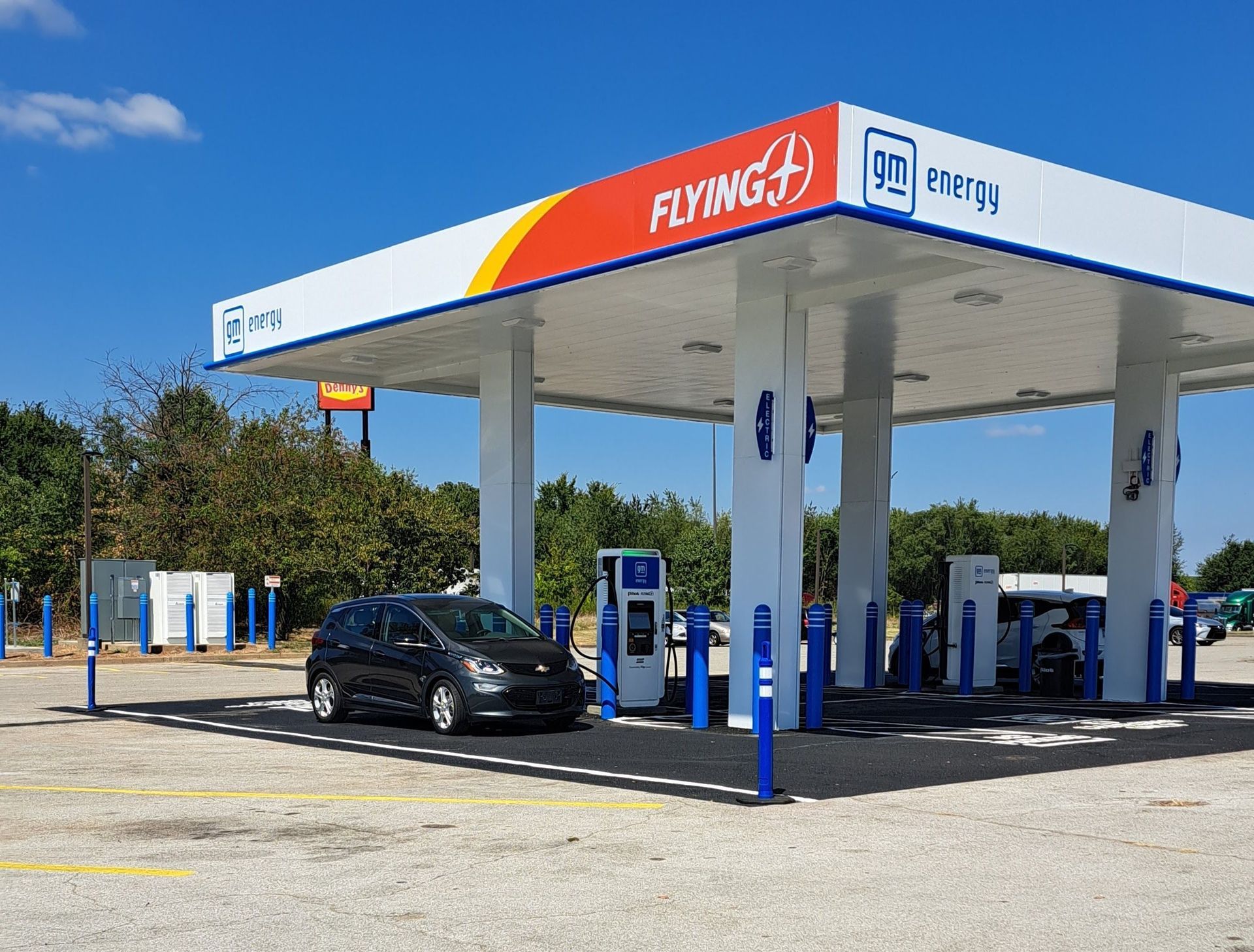
Level 2 EV charging uses a 240-volt circuit — the same voltage as a clothes dryer or electric range. A Level 2 charger (technically called an Electric Vehicle Supply Equipment, or EVSE) connected to a properly sized 240V circuit delivers 25 to 30 or more miles of range per hour. A typical EV can be charged from near-empty to full overnight.

For most South Florida homeowners, Level 2 is the practical standard for home EV charging. It handles the realities of daily driving, restores the full battery overnight before the next day's use, and provides enough charging speed to recover from a longer trip in a few hours rather than a day or more.

Level 2 installation requires a dedicated 240-volt circuit, the EVSE unit, and a permit — none of which are present in a standard outlet installation. This is where the electrical work begins.

Electrical Panel Requirements for EV Charger Installation in South Florida

A Level 2 EV charger is a continuous electrical load — meaning it draws current at or near its maximum rating for three hours or more. A typical Level 2 charger draws 32 amps at 240 volts (a 40-amp dedicated circuit, per the NEC's 125% continuous load sizing rule). Some chargers are rated for 48 amps, requiring a 60-amp dedicated circuit.

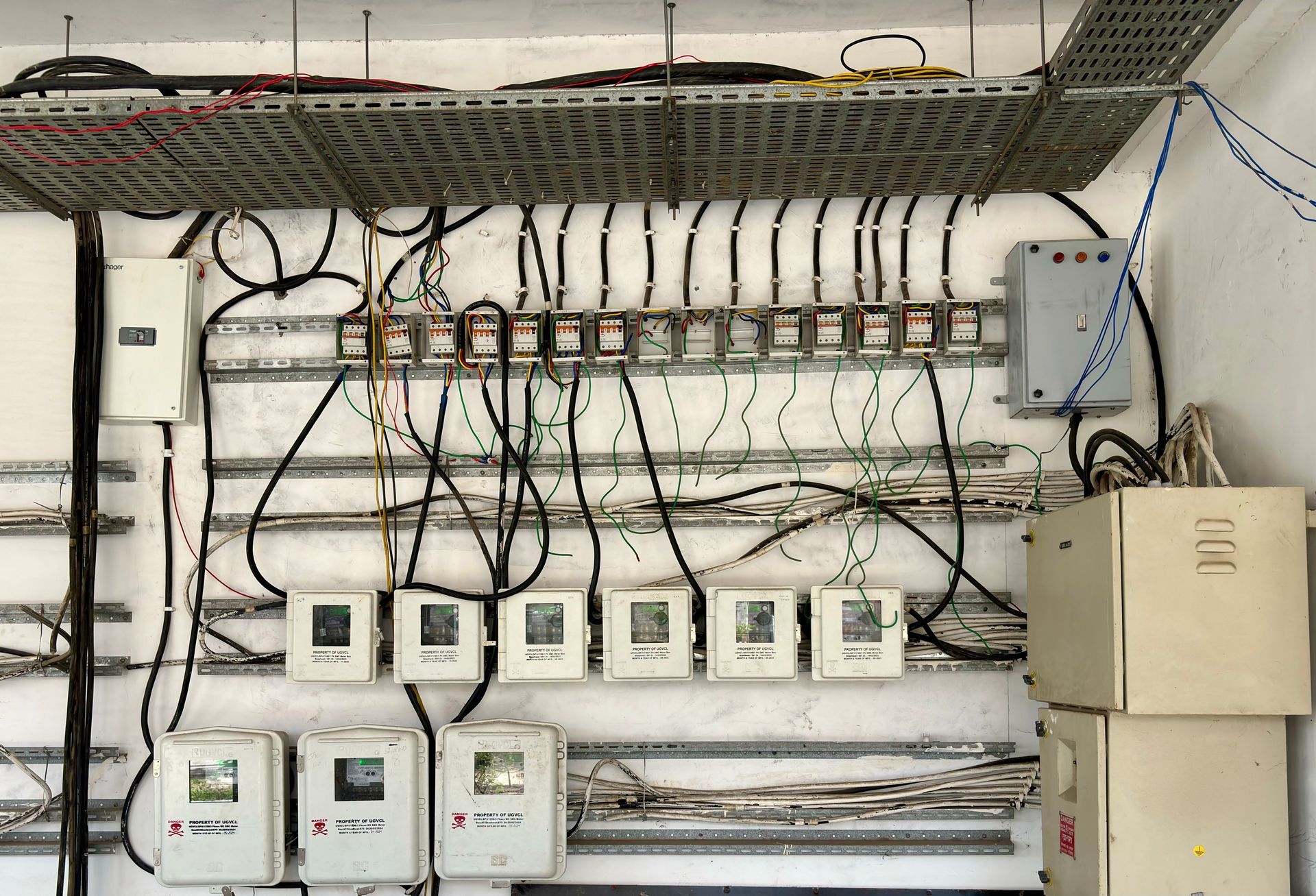
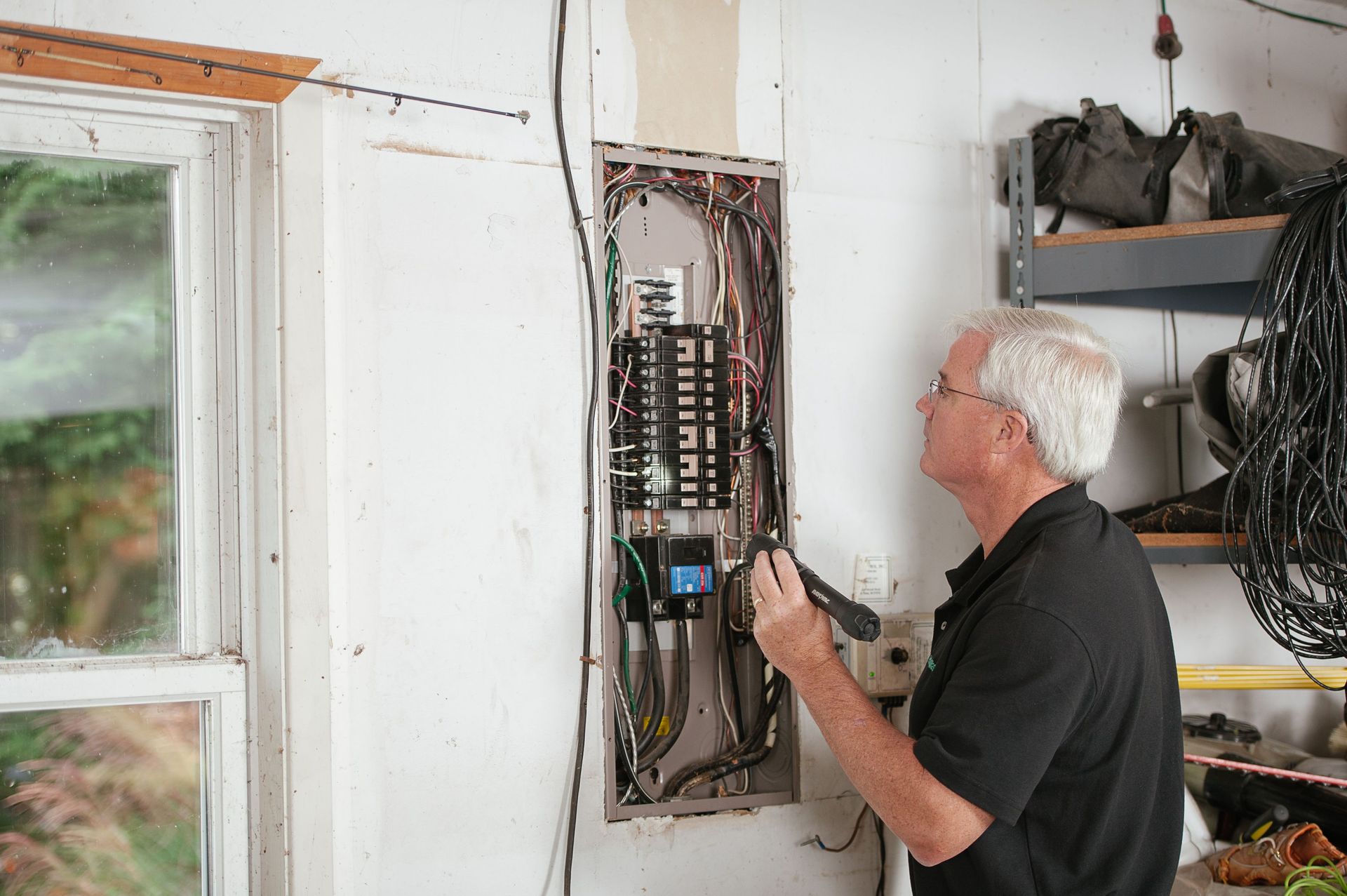
For older South Florida homes running on 100-amp or 150-amp service, adding a 40- or 60-amp EV circuit on top of existing HVAC, water heater, dryer, and appliance loads may not be feasible without a panel upgrade. A load calculation determines whether your panel has the available capacity.

  • Homes with 200-amp service and modern panels: Most have adequate capacity to add a 40-amp Level 2 EV circuit, assuming the panel has available breaker slots and the existing load does not already approach service capacity.
  • Homes with 100-amp service: Adding a 40-amp EV charger circuit to a fully loaded 100-amp panel is often not feasible without a service upgrade. A panel upgrade to 200 amps should be evaluated as part of the EV installation project.
  • Homes with older Federal Pacific or Zinsco panels: These panels should be replaced on their own merits (see our guide to electrical panel upgrades in Boca Raton) — and the replacement provides the opportunity to size the new panel for EV charging.

Trophy Electric performs load calculations as part of every EV charger installation assessment. If your home needs a panel upgrade to support EV charging, we coordinate both projects as a single permit and installation.

NEC Requirements for EV Charger Installation Under Article 625

NEC Article 625 — Electric Vehicle Power Transfer System governs the installation requirements for EV charging equipment. The key requirements for residential EV charger installations are:

  • Dedicated branch circuit: EVSE rated above 16 amps or 120 volts must be supplied by a dedicated branch circuit with no other outlets. A Level 2, 240V charger always requires its own dedicated circuit.
  • Circuit sizing: EV charging loads are treated as continuous loads. The branch circuit must be rated at no less than 125% of the EVSE's maximum load current. For a 32-amp Level 2 charger, this means a minimum 40-amp circuit (32 x 1.25 = 40).
  • GFCI protection for receptacles: Under NEC Section 625.54, all receptacles installed for EV charging must be GFCI protected. If the EVSE is hardwired (directly connected rather than plug-and-cord), GFCI protection requirements differ based on the installation location.
  • Weatherproof enclosures for outdoor installations: EV charger receptacles and EVSE units installed in wet locations — including covered parking under open-air carports or garages with open walls — must have weatherproof enclosures.
  • Disconnect for higher-amperage systems: EVSE rated above 60 amps or above 150 volts to ground must have a readily accessible, lockable disconnect.
  • Conductor sizing: Feeder conductors supplying the EVSE must be sized based on the equipment rating, ensuring that the wire gauge is appropriate for the circuit's amperage.

EV Charger Permits in Florida: Why You Cannot Skip This Step

EV charger installations in Florida require electrical permits under Florida Statutes Chapter 489, Part II. This applies to both new circuits serving an EVSE and to any panel modifications required to accommodate the circuit. The permit process ensures that a licensed inspector verifies the installation meets NEC Article 625 requirements and local code amendments.

Homeowners who skip the permit — a common shortcut promoted by some unlicensed handymen offering cheap EV charger installs — face several practical problems:

  • Insurance complications: Many homeowner's insurance policies exclude coverage for damage caused by unpermitted electrical work. If an EV charger wiring fault causes a fire, an unpermitted installation can be the basis for a claim denial.
  • Real estate disclosure: Unpermitted electrical work is a material disclosure item in Florida real estate transactions. An unpermitted EV charger circuit will be identified in a home inspection and may become a condition of sale.
  • Code violations: A Palm Beach County building official who discovers unpermitted electrical work can issue a stop-work order, require removal of the work, and impose fines.
  • Safety: An EV charger circuit that has not been inspected may have undersized conductors, inadequate overcurrent protection, or improper GFCI protection — all of which create fire and shock hazards that a permit and inspection are designed to prevent.

What EV Charger Installation Typically Costs in Boca Raton and South Florida

EV charger installation costs in South Florida vary based on the EVSE unit selected, the distance from the electrical panel to the installation location, whether the installation is indoor or outdoor, and whether any panel upgrades are required. The following ranges cover typical residential installations without major panel work:

  • Standard Level 2 EV charger installation (EVSE unit by homeowner, existing 200A panel with available capacity, installation in attached garage near panel): Total installed cost typically ranges from $400 to $900 for the electrical work, including permit, circuit, and connection.
  • Longer circuit runs or outdoor installations: Installations that require longer conduit runs, trenching for underground circuits to a detached garage or driveway pedestal, or weatherproof outdoor mounting add cost. These projects may range from $800 to $2,000+ depending on the scope.
  • Installation requiring panel upgrade: When a panel upgrade is necessary to support the EV circuit, the panel upgrade cost is additive to the charger installation. Combined projects for panel upgrade and EV charger installation typically range from $3,000 to $6,000+ depending on panel size and project scope.

For an accurate estimate on your specific home and parking situation, contact Trophy Electric for a free EV charger installation assessment. We provide transparent estimates with no hidden fees before any work begins.

EV Charger Installation by Trophy Electric Throughout South Florida

Trophy Electric installs Level 2 EV chargers for homeowners throughout Boca Raton, Delray Beach, Coral Springs, Parkland, Fort Lauderdale, and surrounding South Florida communities. Our residential electrical contractor team handles load calculations, permit acquisition, dedicated circuit installation, EVSE mounting and connection, and inspection coordination — everything required for a code-compliant, inspected EV charger installation.

If your home needs a panel upgrade before EV charging is feasible, we evaluate and coordinate both projects. If your current panel has capacity, we can typically complete a standard EV charger installation quickly after permit issuance.

Call 954-995-9375 or visit our contact page to schedule your EV charger assessment.

Recent Posts

Boats docked at a Florida marina with shore power pedestals along the pier
By Trophy Electric LLC June 12, 2026
NEC 555.35 GFPE rules, the 2026 leakage current measurement requirement, and how Florida marinas should plan shore power pedestal upgrades. Trophy Electric LLC is South Florida's marina electrical specialist.
Open residential electrical panel with circuit breakers being inspected by an electrician
By Trophy Electric LLC June 11, 2026
Florida insurers are denying coverage over Federal Pacific, Zinsco, and Challenger panels. Learn why these panels fail 4-point inspections, what replacement costs, and how Trophy Electric LLC handles panel upgrades in Boca Raton.
By Trophy Electric LLC May 22, 2026
Everything Boca Raton homeowners need to know about standby generator installation: permits, transfer switch requirements, sizing, and costs. Trophy Electric LLC handles generator projects throughout Palm Beach and Broward Counties.
By Trophy Electric LLC May 15, 2026
NEC 2020 now requires surge protection at the service entrance for new homes. Learn about Type 1 vs Type 2 SPDs, costs, and why Florida's lightning makes this essential. Trophy Electric LLC installs surge protection in Boca Raton and South Florida.
By Trophy Electric LLC May 8, 2026
Pre-storm electrical checklist for South Florida property owners: surge protection, generator requirements, and post-hurricane safety. Trophy Electric LLC offers 24/7 emergency electrical service in Boca Raton and beyond.
By Trophy Electric LLC May 1, 2026
NEC requirements for boat lift electrical installation: GFCI protection, grounding, weatherproof disconnects, and dock safety. Trophy Electric LLC serves dock owners and marinas throughout Palm Beach and Broward Counties.
By Trophy Electric LLC April 24, 2026
What to look for when hiring a hazardous location electrical contractor in Florida: licensing, certifications, insurance, and experience. Trophy Electric LLC maintains the specialized credentials for petroleum and marina electrical work.
Electrical requirements for car wash installations: motor circuits, wet location code compliance, GF
By Trophy Electric LLC April 17, 2026
Electrical requirements for car wash installations: motor circuits, wet location code compliance, GFCI protection, and chemical storage classifications. Trophy Electric LLC serves car wash operators throughout South Florida.
By Trophy Electric LLC April 10, 2026
NEC Article 514 requirements for fuel dispenser electrical installations at gas stations and marina fuel docks. Learn about hazardous location wiring, conduit seals, and grounding. Trophy Electric LLC is South Florida's petroleum electrical specialist.
By Trophy Electric LLC March 31, 2026
Need an electrical permit in Florida? Learn when permits are required, the application process in Palm Beach and Broward Counties, and how a licensed master electrician ensures code compliance. Contact Trophy Electric LLC for expert guidance.
Show More