Federal Pacific and Zinsco Panel Replacement in Florida: Why Insurance Companies Are Forcing the Issue
If you own a Florida home built between the 1960s and 1990s, there is a real chance your electrical panel is on an insurance blacklist. Federal Pacific (FPE), Zinsco, Sylvania, and Challenger panels are being flagged in 4-point inspections across Palm Beach and Broward Counties, and many carriers now refuse to write or renew policies until the panel is replaced. For many homeowners, the first time they hear about the problem is a non-renewal letter or a denied application.
This guide explains why these panels are considered fire hazards, how Florida's 4-point inspection process works, what a panel replacement actually involves, and what it typically costs. Trophy Electric LLC handles residential electrical panel replacement throughout Boca Raton and surrounding Palm Beach County communities, so this is work we see every week.
Why Federal Pacific and Zinsco Panels Are a Problem
Federal Pacific panels used Stab-Lok breakers, and they were the subject of a U.S. Consumer Product Safety Commission investigation in the early 1980s. Independent calibration testing performed under CPSC contract found that a substantial number of two-pole Stab-Lok breakers failed required trip tests. The CPSC ultimately closed the investigation in 1983 citing budget constraints, without making a determination on the breakers' safety , and the agency later clarified in 2011 that the closure should not be read as a clean bill of health. In the decades since, engineers, home inspectors, and insurers have treated FPE panels as a known fire risk: a breaker that fails to trip allows a fault to keep pushing current through the circuit, overheating conductors behind your walls.
Zinsco and Sylvania-Zinsco panels have a related reputation. Their breakers can appear to be switched off while the internal contacts remain fused to the bus bar, still energized, and electricians opening these panels regularly find melted bus bars and scorched connections. Challenger and Pushmatic panels are flagged by many of the same carriers.
None of these panels are manufactured under their original brands anymore, replacement breakers are expensive and sometimes counterfeit, and no licensed electrician can make the underlying design genuinely reliable through repair. Replacement is the only real fix.
How Florida 4-Point Inspections Flag Bad Panels
Most Florida insurance carriers require a 4-point inspection before issuing or renewing a policy on an older home. Depending on the carrier, that threshold kicks in somewhere between 20 and 40 years of age, which captures a huge share of the housing stock in Boca Raton, Delray Beach, and Pompano Beach.
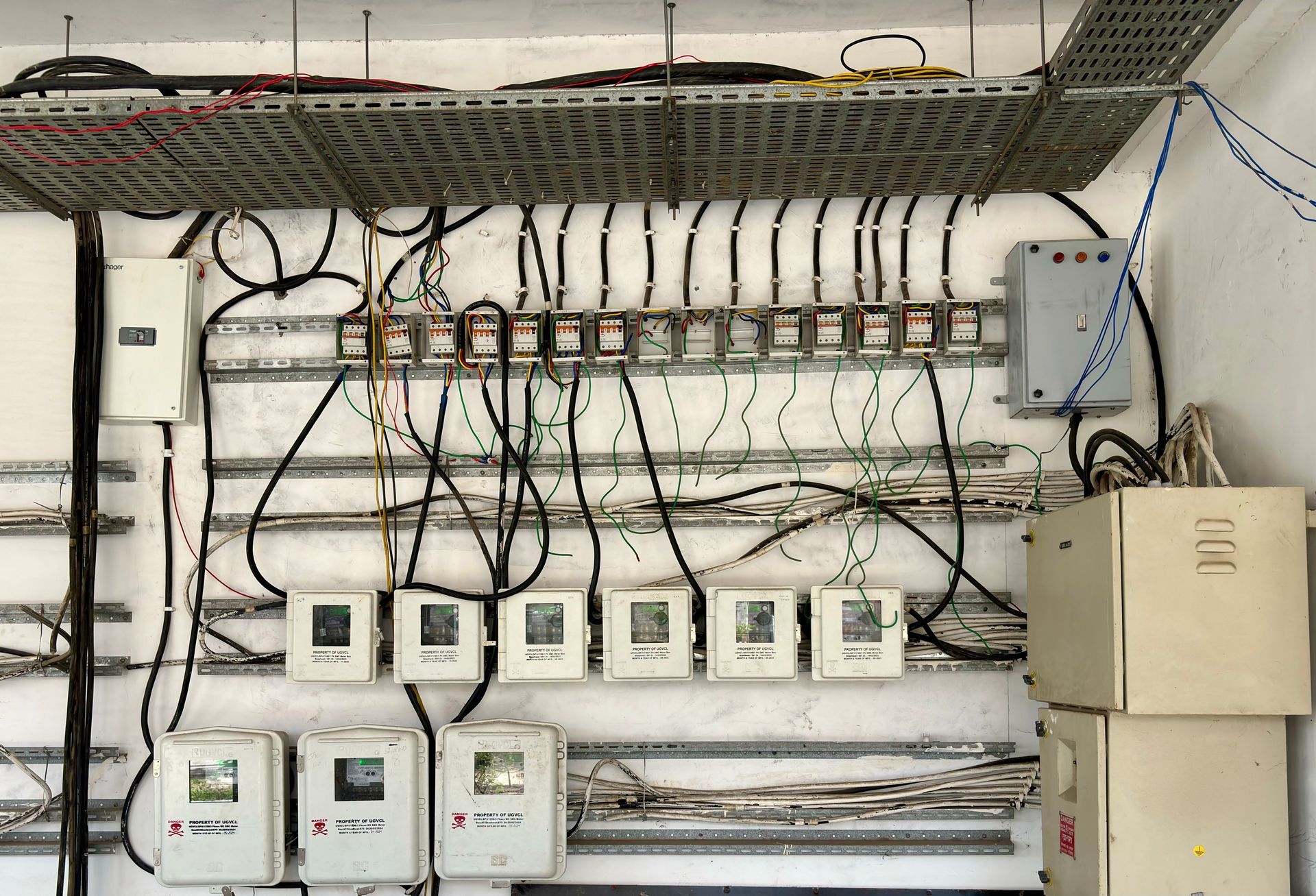
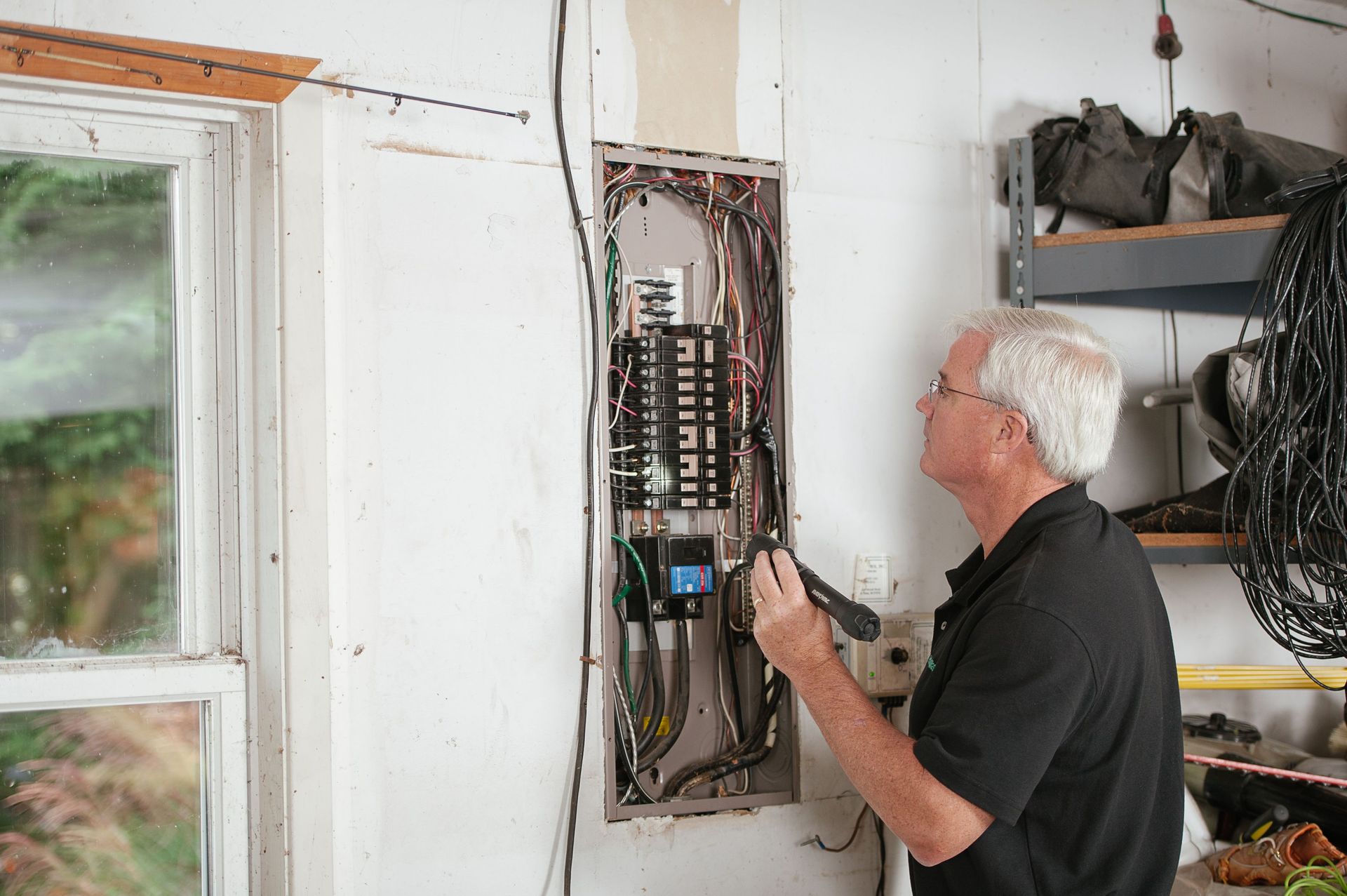
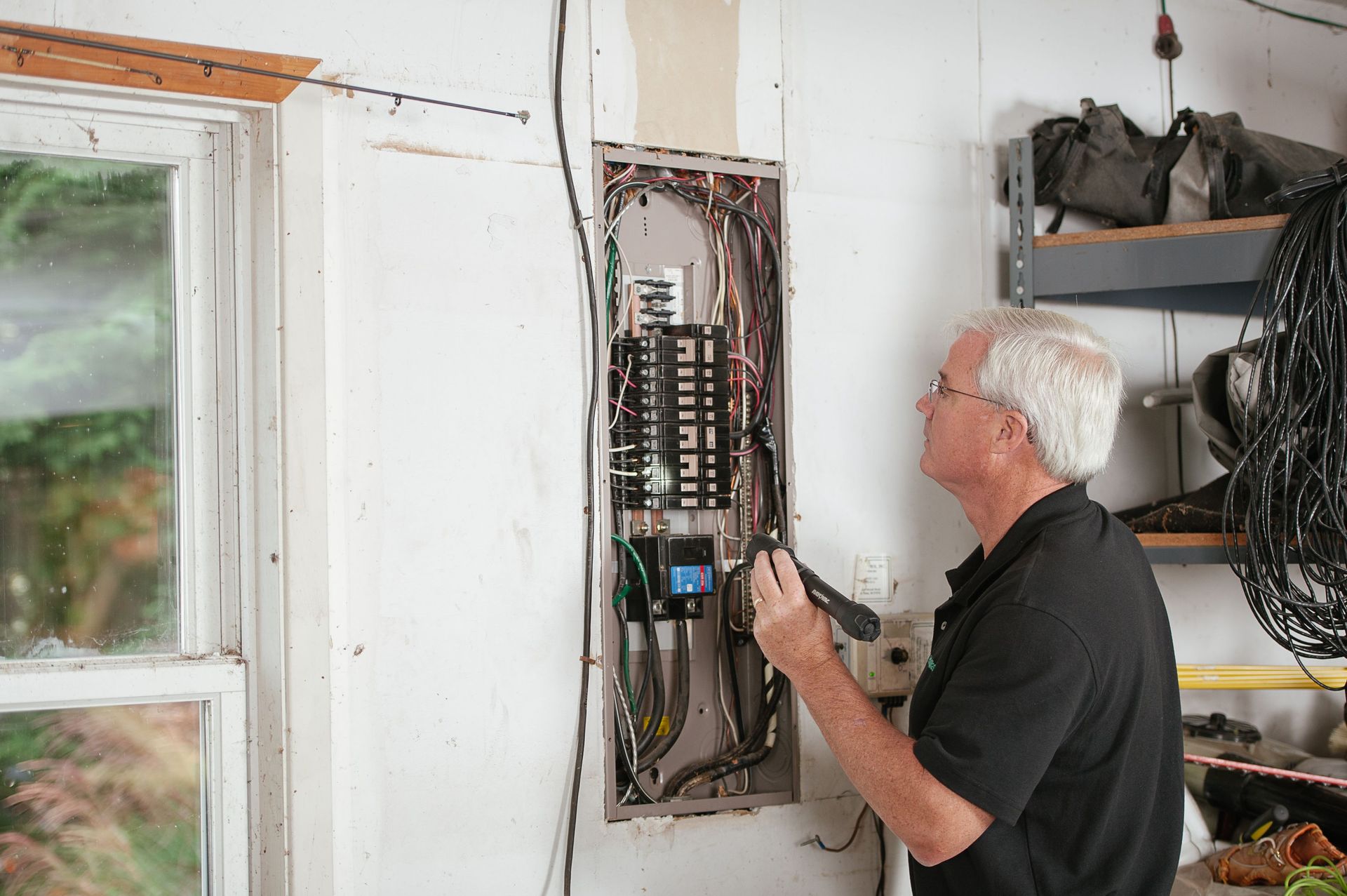
The inspection covers four systems: roof, electrical, plumbing, and HVAC. On the electrical side, the inspector photographs your panel and documents the brand, amperage, wiring type, and any visible defects. Federal Pacific and Zinsco panels are among the most common reasons homes fail. One Florida insurance agency reports that 24 of the 26 carriers it works with will not write a policy on a home with an FPE panel , with Zinsco and Challenger nearly as restricted. Inspectors also flag:
- Single-strand aluminum branch wiring, common in homes built in the 1960s and 1970s
- Double-tapped breakers, where two wires share a breaker designed for one
- Missing GFCI protection in kitchens, bathrooms, and exterior outlets
- Undersized services that no longer match the home's electrical load
- Improper splices, scorching, or signs of overheating inside the panel
When a recalled-reputation panel shows up in the report, the typical outcome is a conditional denial: replace the panel, document the work with a permit and final inspection, and coverage becomes available.
What Electrical Panel Replacement in Boca Raton Involves
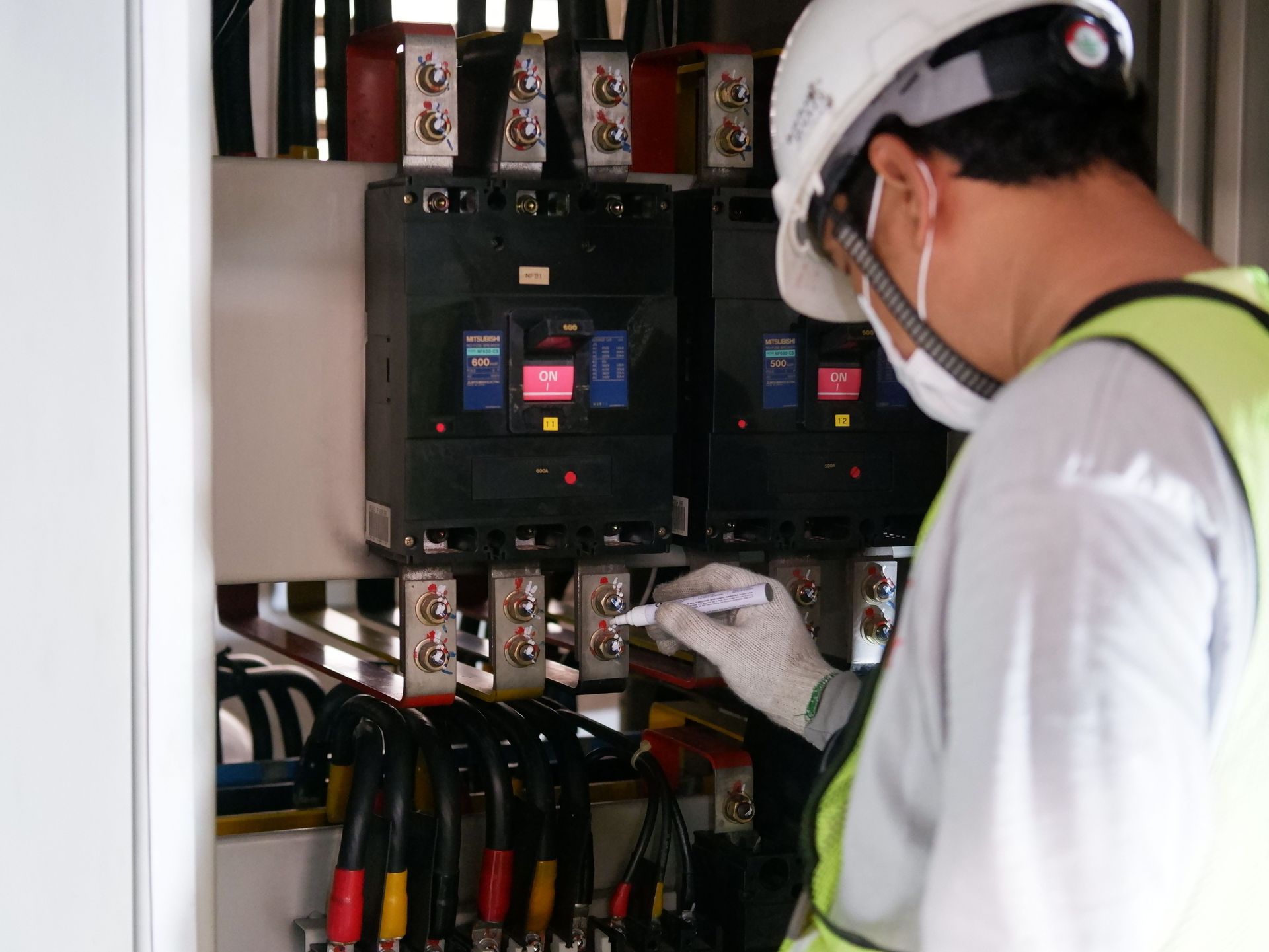
A panel replacement is more involved than swapping a metal box. A licensed electrician will pull an electrical permit, coordinate a temporary power disconnect with FPL, remove the old panel, install a new load center with modern breakers, re-terminate and label every circuit, correct code violations discovered along the way, and schedule the final inspection with the city or county.
Permits are not optional for this work anywhere in Florida. Unpermitted panel work is one of the fastest ways to fail a future inspection or void an insurance claim. If you want the full picture of when permits are required and how the process works in Palm Beach and Broward Counties, see our guide to Florida electrical permit requirements.
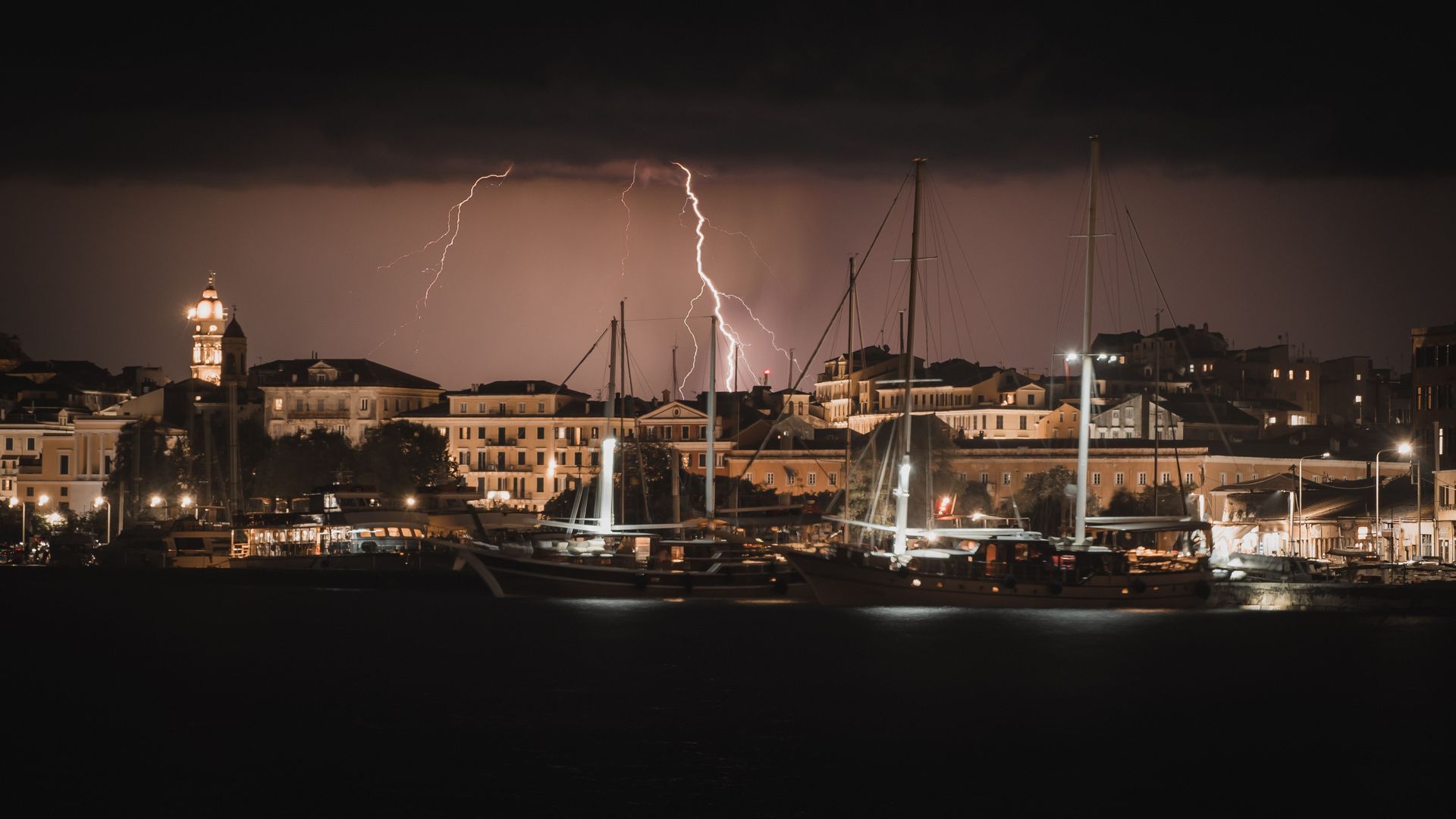
Most panel replacements also trigger current code requirements that did not exist when the home was built. Under the NEC, a service equipment replacement now requires a surge protective device at the service entrance, something we cover in detail in our article on whole-home surge protection in Florida. Given South Florida's lightning exposure, this is a requirement worth embracing rather than resenting.
What Does Panel Replacement Cost in South Florida?
For a typical 200-amp panel replacement including permits, most Florida homeowners pay between roughly $2,500 and $5,000. Several factors move the number within that range:
- Service upgrade scope. If your home still runs on a 100-amp or 150-amp service, upgrading to 200 amps adds meter can, riser, and grounding work.
- Condition of existing wiring. Aluminum branch circuits, deteriorated insulation, or improper splices may require remediation to pass inspection.
- Panel location and access. Interior closet panels, stucco repairs, and relocations add labor.
- Code-required additions. Surge protection, AFCI and GFCI breakers, and grounding electrode upgrades are commonly required at replacement.
Weigh that cost against the alternative. Going without insurance in a hurricane state is not a realistic option, and surplus-line policies that tolerate flagged panels carry painful premiums. A panel replacement usually pays for itself quickly in carrier access and premium savings, and it removes a documented fire risk from your home.
A Panel Upgrade Unlocks the Rest of Your Electrical Plans
Most homeowners replacing a flagged panel are also solving a capacity problem. A modern 200-amp service with open breaker spaces is the prerequisite for nearly every electrical project South Florida homeowners are planning right now. If you have been considering a Level 2 EV charger installation , a new panel makes the 240-volt circuit straightforward. The same goes for a standby generator installation , where the transfer switch ties directly into your service equipment.
Replacing the panel before these projects, rather than after, avoids paying twice for related work and gives your electrician a clean foundation to build on.
How to Tell Which Panel You Have
Open the panel door (not the cover) and look for the manufacturer name. Federal Pacific panels are usually labeled "FPE" or "Federal Pacific Electric" with breakers marked "Stab-Lok," often with distinctive red trip indicators. Zinsco panels typically say "Zinsco" or "Sylvania" and have colorful breaker handles in blue, red, and green. Challenger and Pushmatic panels are labeled accordingly.
If you are unsure, take a photo of the open panel door and the breaker layout and send it to a licensed electrician. Identification takes minutes and does not require an on-site visit. Never remove the inner panel cover yourself. That is live equipment, and on these specific panels, the bus connections can be deteriorated in ways that make them especially dangerous to touch.
Frequently Asked Questions
Can a Federal Pacific panel be repaired instead of replaced?
No. The concern is the Stab-Lok breaker design and bus connection itself, not any single component. Replacement breakers for these panels are no longer manufactured by the original maker, and insurers will flag the panel regardless of its apparent condition.
Will my insurance company pay for the replacement?
Generally no. Panel replacement is considered a maintenance and underwriting requirement, not a covered loss. Some carriers offer a window of conditional coverage while the work is completed.
How long does a panel replacement take?
Most residential panel replacements are completed in a single day, with power restored the same evening. The permit and final inspection process adds time on the calendar but not disruption to your home.
Does Trophy Electric handle the permit and inspection?
Yes. We pull the electrical permit, coordinate with the local building department, and schedule the final inspection as part of every panel replacement, and we provide the documentation your insurance carrier needs to close out the 4-point inspection finding.
Get Your Panel Evaluated Before Your Insurer Forces the Timeline
The worst time to replace an electrical panel is the week your policy lapses. If your Boca Raton, Delray Beach, or Pompano Beach home was built before the mid-1990s and you have never confirmed your panel brand, get it evaluated now while you control the schedule. Trophy Electric LLC is a licensed Florida master electrician with three generations of family experience behind every panel we touch. Contact us for a free estimate on your panel replacement or service upgrade anywhere in Palm Beach and Broward Counties.