Standby Generator Installation in South Florida: Sizing, Transfer Switches, and the 2026 Permit Process
Power outages in South Florida are not a rare inconvenience — they are a predictable annual reality. During the 2024 hurricane season, Hurricanes Debby, Helene, and Milton struck Florida within 14 months of each other. Hurricane Milton alone knocked out power for approximately 2 million Florida Power & Light customers, requiring 20,000 restoration workers from as far away as Canada to bring service back online. According to FPL's June 2026 hurricane preparedness statement, even with advanced smart grid technology helping to avoid an estimated 824,000 customer outages during the 2024 season, hundreds of thousands of South Florida homes still lost power — sometimes for days. ( FPL, June 2026)
For Palm Beach and Broward County homeowners, a properly installed standby generator is no longer optional planning — it is essential infrastructure. But the generator itself is only part of the project. The transfer switch, load calculation, electrical permit, and interconnection with your main panel are where the work requires a licensed master electrician, not a general handyman or the generator sales company.
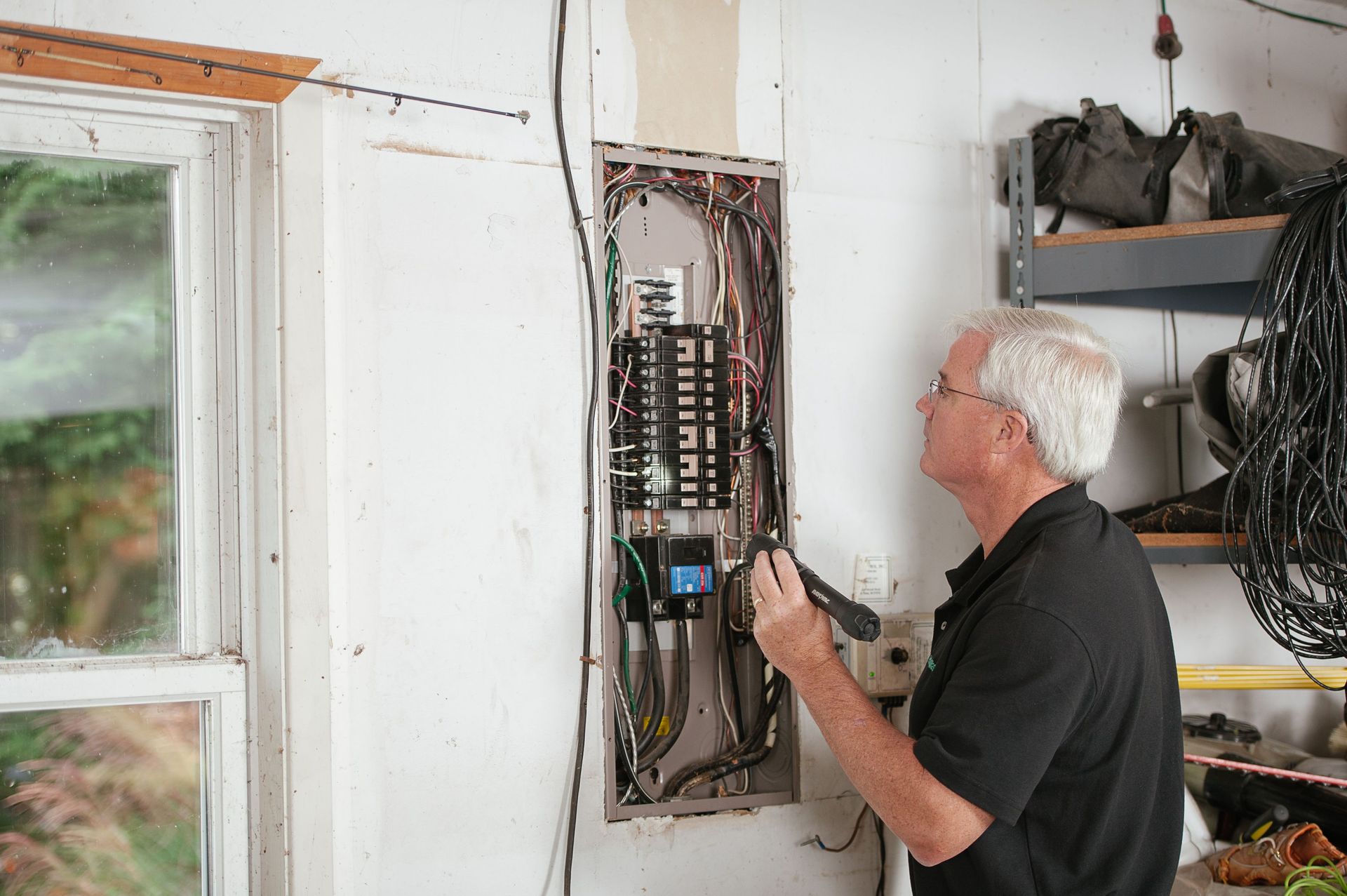
Trophy Electric — a Boca Raton family-owned electrical contractor with 65+ years of combined master electrician expertise across three generations — handles the electrical scope of standby generator installations throughout Palm Beach and Broward County. This guide covers what every South Florida homeowner needs to understand before the first permit application is filed.
Why South Florida Homeowners Can No Longer Afford to Wait
Florida's hurricane season runs June 1 through November 30. The 2024 season reminded every South Florida homeowner what "active season" actually means: three named storms in rapid succession, millions of customers off the grid, and restoration timelines that stretched days in the hardest-hit communities. In neighborhoods across Palm Beach County — where estates may lose power for 5 to 10 days after a direct hit — air conditioning failure during extreme summer heat is a health risk, particularly for elderly residents and those with medical equipment.
A standby generator is fundamentally different from a portable generator. It is permanently installed on a concrete pad, permanently connected to your home's electrical system through a transfer switch, and runs on natural gas or propane from a dedicated supply line. It starts automatically within seconds of a power outage — no extension cords in the rain, no storing and hauling gasoline, no carbon monoxide risk from improper indoor use. When the lights go out, it comes on. When utility power returns, it shuts off and recharges its battery.
The installation process, however, is more involved than most homeowners realize — and the electrical components require a licensed contractor by law in both Palm Beach and Broward County.
How to Size a Standby Generator for Your South Florida Home
Generator sizing is not a rule-of-thumb exercise. An undersized generator trips on overload within minutes of the air conditioning compressor starting. An oversized unit wastes thousands of dollars unnecessarily. Getting this right requires a licensed electrician's load calculation — not a suggestion from the generator dealer.
The Electrical Load Calculation
Under the National Electrical Code (NEC Article 220), a licensed electrician must calculate your home's total connected load before specifying a generator size. This calculation accounts for every circuit in your panel: air conditioning (the single largest load in South Florida homes), the water heater, refrigerator, lighting, pool pump if applicable, and any specialized medical or home office equipment.
Broward County's generator checklist explicitly requires this documentation: "Provide load calculations for the generator. NEC Article 220 shall be used to calculate existing loads." ( Broward County Building Division) Palm Beach County requires parallel documentation under its residential and commercial generator checklists. Without a signed load calculation from a licensed electrician, the permit application will not be approved.
Generator Size Guide for South Florida Homes
As a starting framework — before a licensed electrician completes the actual load calculation — most South Florida residential standby installations fall into these ranges:
- Standard home (1,500–2,500 sq ft): 20kW–22kW. A 22kW Generac installed in the Boca Raton area — including concrete pad, automatic transfer switch, gas line, all permits, and final inspection — typically ranges from $12,000 to $16,000. ( Boca Generator, 2026)
- Larger home (3,000–5,000 sq ft): 26kW–36kW. Heavier HVAC loads and more circuits typically push sizing up. Budget $16,000 to $22,000 installed.
- Estate home (communities like The Sanctuary, Royal Palm, St. Andrews): 36kW–48kW. Installed costs range from $22,000 to $30,000 or higher depending on home complexity and HOA screening requirements. ( Boca Generator, 2026)
These are planning estimates. The specification must follow the load calculation. If your existing electrical panel is undersized for the load — a common issue in homes with older 100-amp service — that upgrade may need to precede or accompany the generator project. Trophy Electric handles both as part of its residential electrical services in South Florida.
The Transfer Switch: Why a Licensed Electrician Is Not Optional
The transfer switch is the most safety-critical component of any standby generator installation, and it is the component where every jurisdiction in Palm Beach and Broward County requires a licensed electrical contractor, pulled permits, and inspections. No exceptions exist, and no workarounds are legal.
What the Transfer Switch Does — and Why It Cannot Be Skipped
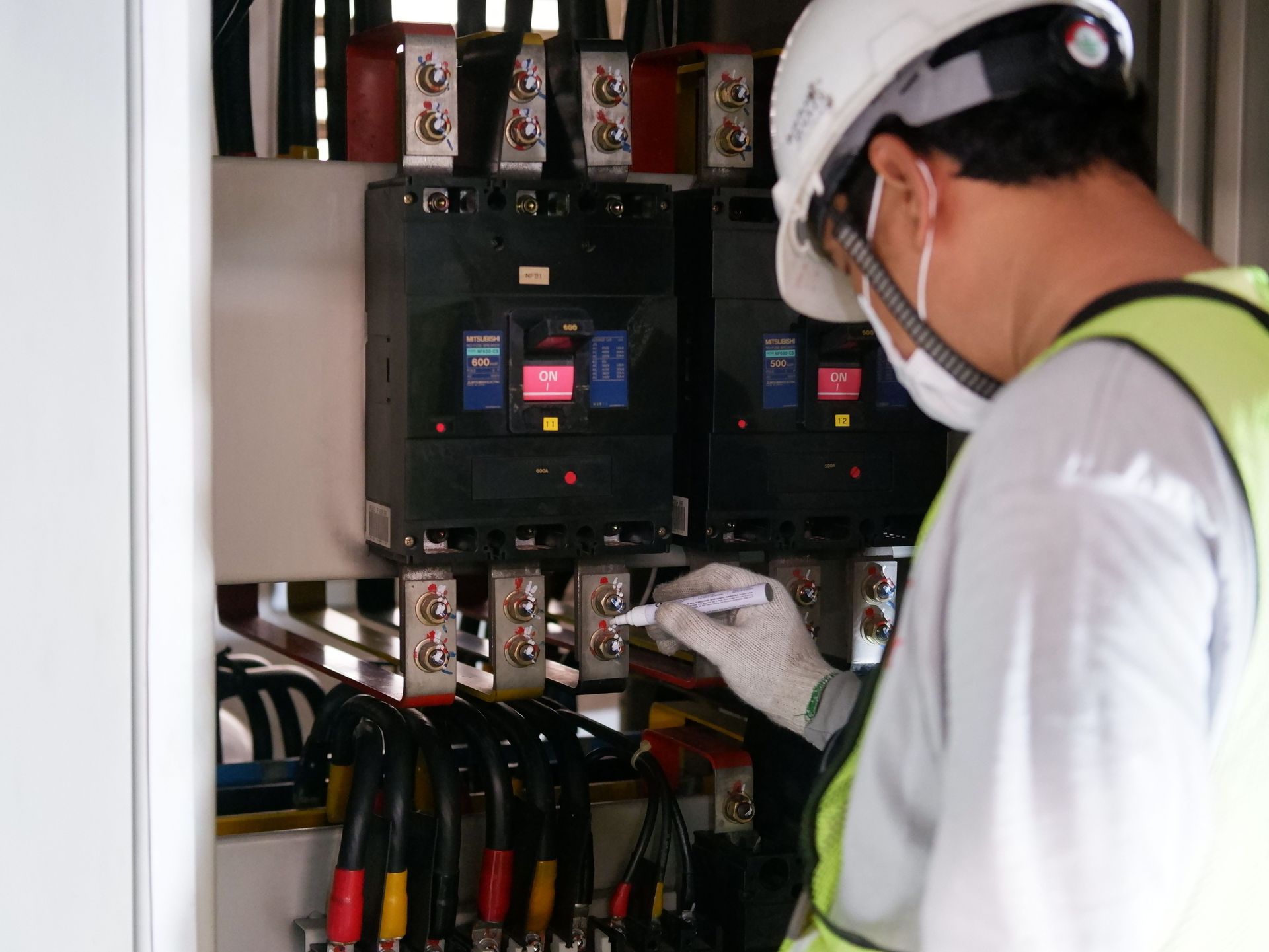
A transfer switch physically disconnects your home from the utility grid and reconnects it to your generator when power goes out. Without a properly installed and inspected transfer switch, your generator can back-feed electricity into FPL's power lines — a condition that creates an electrocution hazard for utility lineworkers making repairs in your neighborhood. Back-feeding has killed utility workers. It is illegal, will result in failed inspections and fines, and exposes homeowners to serious liability.
Palm Beach County's generator permit checklist is explicit on this point: "TRANSFER SWITCH: Required for all generators per N.E.C. 702.4 and 702.5." ( Palm Beach County Building Division) Broward County mirrors this requirement, as does every municipality in both counties.
Automatic vs. Manual Transfer Switch
An Automatic Transfer Switch (ATS) detects the loss of utility power and switches to generator power within 10 to 30 seconds — no homeowner action required. This is the standard choice for whole-home standby systems. A manual transfer switch requires the homeowner to physically operate it, which is impractical during a storm and increases the risk of back-feeding if any step is skipped under stress.
NEC Article 702.4(B)(2) governs automatic transfer switch sizing. When the generator's output capacity is less than the main electrical panel's rated ampacity, a load management or load-shedding system may be required — technical work that a licensed electrician handles during the design phase, before equipment is ordered. This is why Trophy Electric's process begins with the load calculation, not the generator purchase.
The Permit Process in Palm Beach and Broward County
South Florida's generator permit process involves multiple separate permit applications across different trades, coordination with county and municipal building departments, and — in most gated communities throughout Palm Beach County — HOA or Architectural Review Board approval. Understanding this process before you begin prevents the costly delays that derail unprepared projects.
Palm Beach County Requirements
A residential standby generator installation in Palm Beach County typically requires the following permits and documentation:
- Electrical permit: For the transfer switch wiring, load calculations, riser diagram, and panel interconnection. Must be pulled by a Florida-licensed EC (electrical contractor).
- Building permit: For the concrete pad, generator anchoring details, and placement review.
- Gas or plumbing permit: For the natural gas or propane fuel line connection.
- Site plan: Showing generator location with dimensions to all windows, doors, and vents. Generator exhaust must be a minimum of 10 feet from any building openings per Florida Building Code Mechanical Code Section 1905. ( Palm Beach County Building Division)
- Flood zone compliance: Generators in Palm Beach County flood zones must comply with FRC 322.1.6 — the unit must be elevated above the base flood elevation. This requirement directly affects the concrete pad design and overall installation cost in flood-prone areas.
Broward County Requirements
Broward County's process uses the county-wide Uniform Permit Application system and the Building Division's generator information documentation. A complete application requires:
- A Broward County Uniform Permit Application (Electrical) from a licensed electrical contractor for the transfer switch, load calculations, and electrical riser diagram showing the service, panels, transfer switch, disconnects, conduit sizes, and wire sizes.
- A Broward County Uniform Permit Application (Structural) for the concrete slab and anchoring details, including reinforcement type and elevation.
- A Broward County Uniform Permit Application (Plumbing) for the gas line, including isometric riser diagram, pipe sizing, and BTU calculations for the entire gas system.
- A Zoning Compliance Permit for generator screening requirements — most Broward municipalities require screening that conceals the unit from the street and neighbors.
- A permanent sign posted at your electrical service entrance indicating the location of the on-site standby power source — this is a code requirement under NEC 702.8, not optional. ( Broward County Building Division)
HOA and ARB Approval in Gated Communities
Most of Trophy Electric's residential service area — Boca Raton, Delray Beach, Boynton Beach, Parkland, and the gated communities throughout Palm Beach County — requires HOA or Architectural Review Board (ARB) approval before installation begins. Each community sets its own setback requirements, screening standards (concrete block, aluminum fence, or landscape), color restrictions, and sound level limits.
This approval process typically adds two to four weeks to the overall project timeline. The total timeline from signed contract to operational generator in Palm Beach or Broward County is typically four to six weeks: permit submission, HOA or ARB approval, equipment delivery, one-day installation, and final electrical and building inspections.
2026 Standby Generator Installation Costs in South Florida
A turnkey standby generator installation in South Florida — including the unit, concrete pad, automatic transfer switch, gas line, all permits, and final inspections — falls into the following ranges in 2026 for the Palm Beach and Broward County market:
- 22kW (standard 1,500–2,500 sq ft home): $12,000–$16,000
- 26kW–36kW (larger homes): $16,000–$22,000
- 48kW+ (estates and large properties): $22,000–$30,000+
The electrical components represent a substantial portion of total cost. Transfer switch installation runs $800 to $2,200 depending on type and panel configuration; licensed electrical labor for the wiring and panel interconnection adds $1,500 to $3,500; permits and inspections account for another $200 to $600. ( Team Adams, 2026) Generac's own installation cost guidance for home standby systems shows a national range of $8,000 to $16,000 all-in. ( Generac) South Florida installations trend toward the upper end of national ranges due to flood zone requirements, HOA screening mandates, and longer gas runs in larger lots.
What drives the cost in South Florida specifically: the distance between the gas meter and the generator placement (every additional foot of gas line adds cost), HOA screening requirements that may require custom concrete block or aluminum enclosures, and flood zone elevation requirements that affect concrete pad design.
Natural Gas vs. Propane: Choosing the Right Fuel for South Florida
South Florida homeowners have two fuel options for standby generators, and the right choice depends on utility availability at your property.
Natural gas is the preferred option where pipeline service is available. It requires no on-site storage tank, never runs out as long as the supply line is intact, and runs from the same distribution line as other gas appliances in your home. For most homes in Boca Raton, Delray Beach, and the developed Palm Beach County municipalities, natural gas is available and is the default choice for standby generator installations.
Propane is the solution where natural gas is not available — areas of Broward County, western Palm Beach County, and properties on well and septic systems. Propane requires an above-ground or buried tank (typically 250 to 500 gallons for a residential standby generator). A 500-gallon propane tank running a 22kW generator at 50% load provides approximately four to seven days of runtime — important context for planning during an extended hurricane outage when propane deliveries may be delayed.
The fuel line connection in either case is permitted work that requires a licensed plumbing or gas contractor and a separate permit inspection — part of the full permit package your electrical contractor coordinates as the project lead.
What Trophy Electric Handles in a Standby Generator Installation
Trophy Electric's scope in a generator project is specifically the electrical work — the portion that requires a licensed master electrician and that no other trade is legally authorized to perform in Palm Beach and Broward County:
- Electrical load calculation per NEC Article 220 to correctly size the generator for your home's actual connected load
- Transfer switch specification and sizing per NEC Article 702, including automatic or manual selection and load-shedding analysis when required
- Electrical permit application with Palm Beach or Broward County building departments
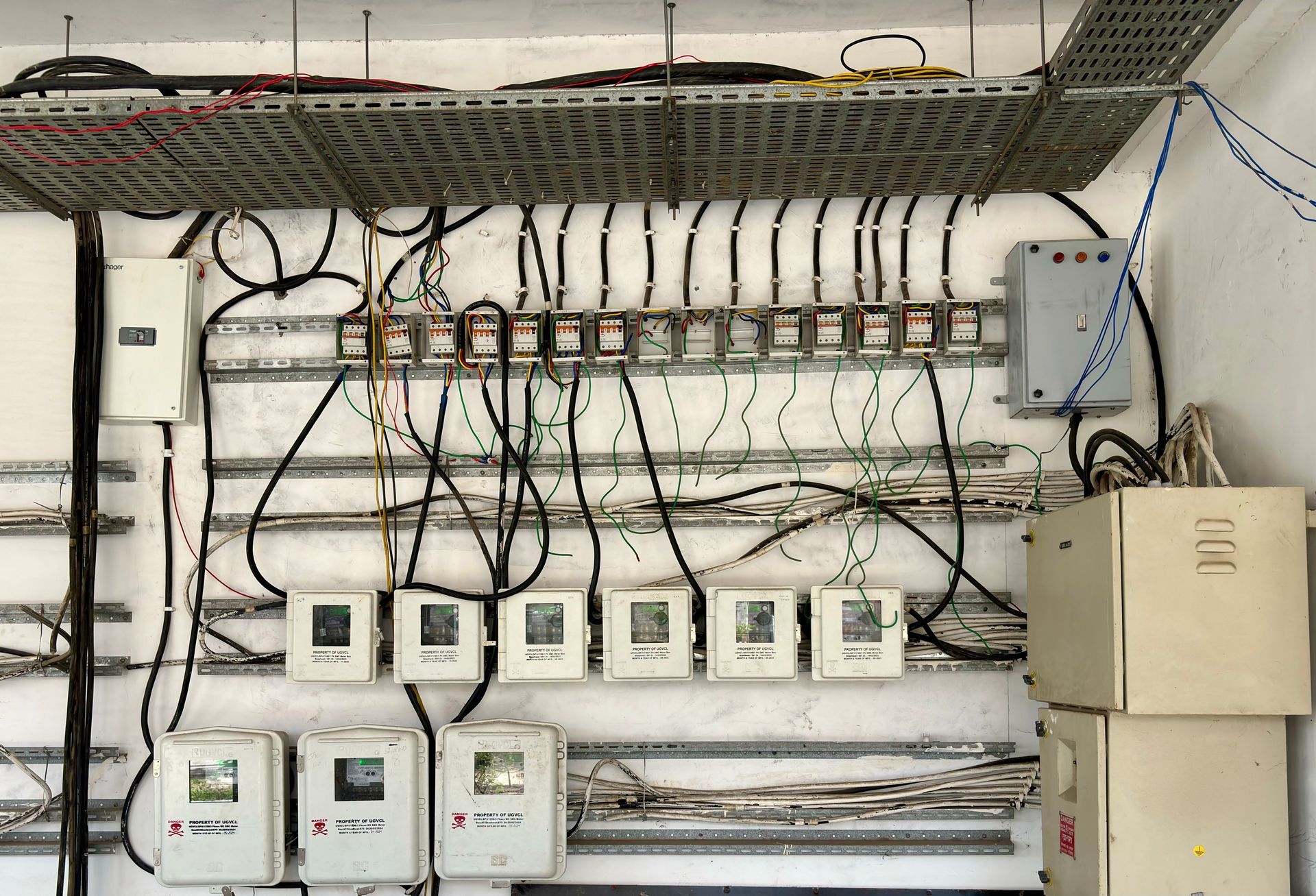
- Transfer switch installation at the main service panel — the critical step that prevents back-feeding and protects utility workers
- Electrical riser diagram showing service, panels, transfer switch, disconnects, conduit sizes, and wire gauge
- Required NEC 702.8 signage at the electrical service entrance
- Final electrical inspection coordination and sign-off
The concrete pad, generator unit procurement, and gas line are coordinated with the appropriate licensed structural and plumbing contractors. Trophy Electric serves as the electrical contractor of record across the full permit package, bringing the same standards that built a project portfolio including Pier 66 Marina in Fort Lauderdale, Island Gardens in Miami, and fuel system installations for gas station electrical projects and marina electrical installations throughout South Florida and the Caribbean.
For commercial standby generator systems — hotels, medical offices, retail centers, or industrial facilities in Palm Beach and Broward County — Trophy Electric handles the commercial electrical scope under NEC Article 700 (Emergency Systems) or Article 702 (Optional Standby Systems) as applicable, including the additional Broward County Planning and Development Management Division approval required for commercial installations.
To discuss load calculations and the electrical scope of your residential or commercial generator project, contact Trophy Electric at (954) 995-9375 or visit our team page to learn more about the three generations of master electrician expertise behind every project.
FAQ: Standby Generator Installation in South Florida
Do I need a permit to install a standby generator in Palm Beach County?
Yes. A standby generator in Palm Beach County requires at minimum an electrical permit (for the transfer switch and wiring), a building permit (for the concrete pad and structural anchoring), and a gas or plumbing permit (for the fuel line). You also need a site plan showing the generator's distance from all windows, doors, and vents.
Can I install my own transfer switch without a permit?
No. In Palm Beach and Broward County, the transfer switch must be installed by a Florida-licensed electrical contractor under a pulled electrical permit with final inspection. An unpermitted transfer switch installation can back-feed power into FPL's utility lines — a lethal hazard for lineworkers — and will result in failed inspections, fines, and homeowner liability exposure.
How long does a standby generator installation take in South Florida?
The physical installation takes one day. The full process — permit submission, HOA or ARB approval, equipment delivery, installation, and final inspection — typically takes four to six weeks in Palm Beach and Broward County municipalities.
What size generator do I need for a 2,500 sq ft home in Boca Raton?
A 22kW standby generator handles most 2,500 sq ft South Florida homes with central air conditioning. The exact specification requires a licensed electrician's load calculation per NEC Article 220 — air conditioning is the dominant load in our climate and must be properly accounted for before sizing is confirmed.
Does my generator need to be elevated if I'm in a flood zone?
Yes. Palm Beach County flood zone installations must comply with FRC 322.1.6, which requires the generator to be mounted above the base flood elevation. This affects the concrete pad design and must be addressed in the permit documentation before installation begins.
Recent Posts