
Building Recertification Electrical Inspections in South Florida: What the 25-Year and 30-Year Programs Require
If you own or manage a commercial building, condo, or apartment property in South Florida, the recertification clock is running whether you are watching it or not. After the Surfside collapse, Broward County moved its building safety inspection threshold from 40 years to 25 years, Miami-Dade tightened its long-standing program, and cities including Boca Raton and Boynton Beach created recertification programs of their own. Every one of these programs has two halves: a structural inspection and an electrical inspection. The structural side gets the headlines. The electrical side is where many buildings actually rack up their repair lists.
This guide explains who must recertify and when, what the electrical inspection covers, the deficiencies that show up most often in older South Florida buildings, and how to prepare so the report comes back clean. Trophy Electric LLC works alongside engineers and property managers as a commercial electrical contractor in South Florida , handling the corrective work these inspections generate throughout Palm Beach and Broward Counties.
Who Has to Recertify, and When
The requirements depend on where your building sits and what program governs it:
- Broward County: under the Building Safety Inspection Program administered by the Broward County Board of Rules and Appeals , buildings must complete a structural and electrical safety inspection at 25 years of age, then every 10 years after. One- and two-family dwellings and minor structures under 3,500 square feet are exempt, along with certain government and school buildings.
- Miami-Dade County: the county has run recertification since the 1970s. Under the county's current recertification rules , condo and co-op buildings three stories or taller within three miles of the coastline built in 1998 or later recertify at 25 years; other buildings built in 1993 or later recertify at 30 years; and all repeat on a 10-year cycle. The county's recertification portal summarizes the framework as 30 years for inland buildings and 25 years for coastal buildings under Section 8-11(f) of the county code.
- Boca Raton and Boynton Beach: both cities created their own recertification programs after Surfside, generally requiring qualifying buildings to recertify at 25 years and every 10 years thereafter. Confirm specifics with the city building department, since municipal thresholds vary.
- Statewide milestone inspections: Florida's post-Surfside milestone inspection law (Florida Statute 553.899) applies to condominium and cooperative buildings three stories or taller. The statewide milestone requirement is structural in focus; it is the local county and city recertification programs that add the mandatory electrical inspection.
Owners typically receive a certified-mail notice from the building department, and in Broward the owner must furnish the certified inspection report within 90 days of the notice. Waiting for the notice is risky. The inspection must be performed and certified by a Florida-licensed professional engineer or architect, and their calendars fill up fast as deadlines cluster.
What the Electrical Recertification Inspection Covers
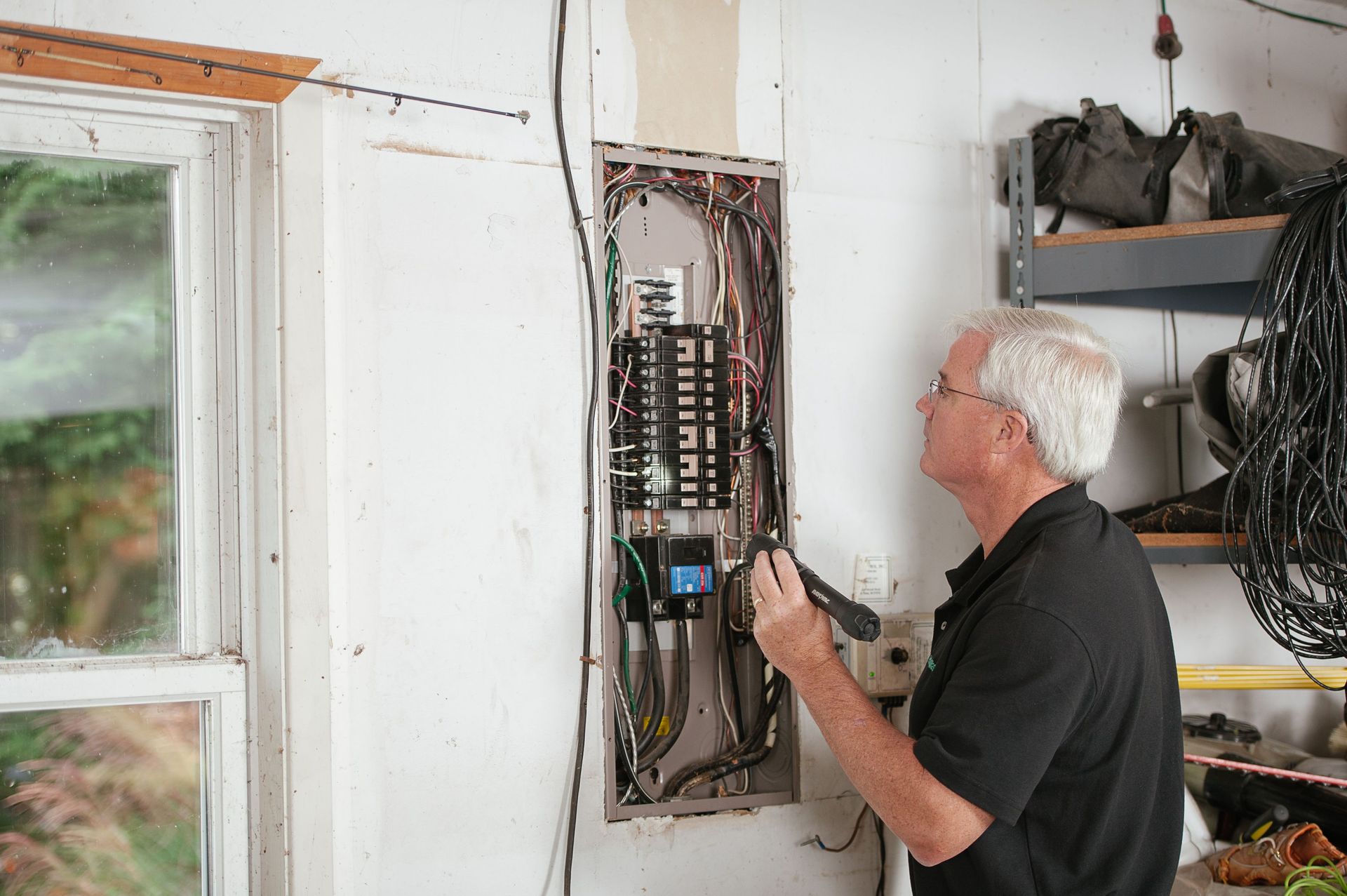
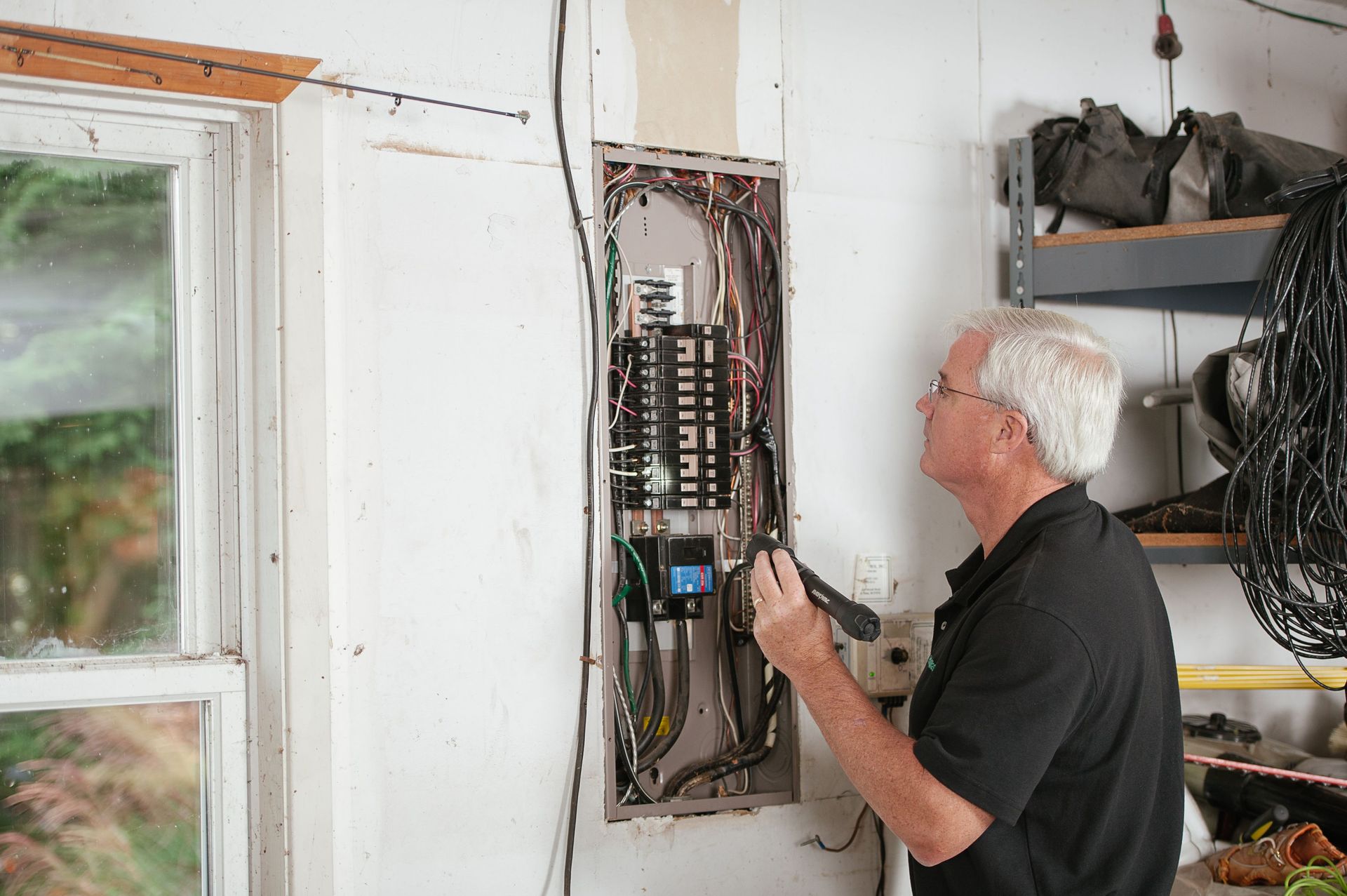
The electrical portion of a recertification is a documented evaluation of the building's power infrastructure, not a quick panel glance. Per Broward's published inspection guidelines , the electrical scope includes:
- Electrical service: condition and capacity of the main service equipment, service conductors, and grounding
- Branch circuits and feeders: conductor condition, overcurrent protection, and evidence of overheating or unsafe modifications
- Conduit and raceways: corrosion, physical damage, and support, a major issue in salt-air coastal buildings
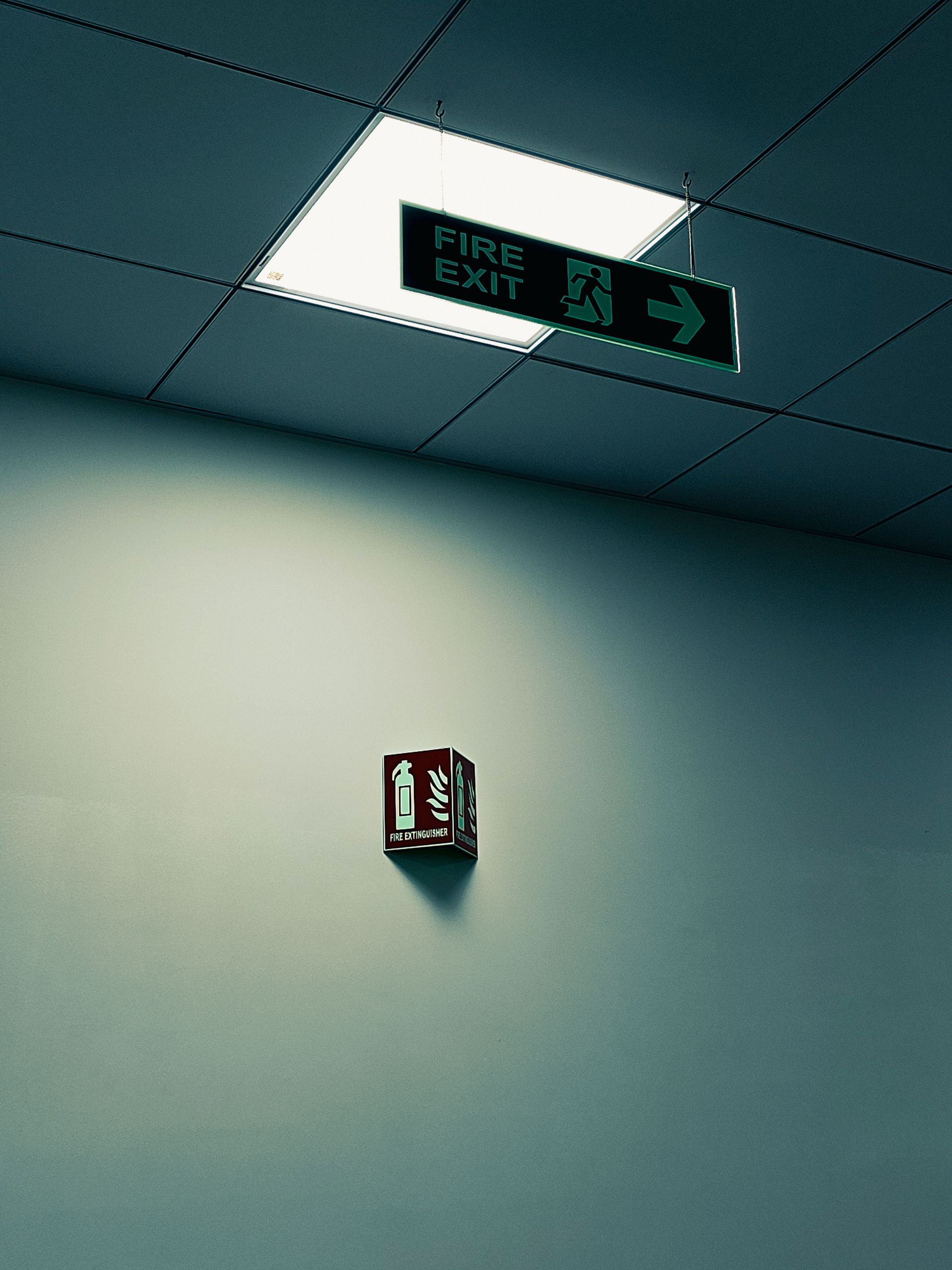
- Emergency lighting and exit systems: function testing of egress lighting and exit signage
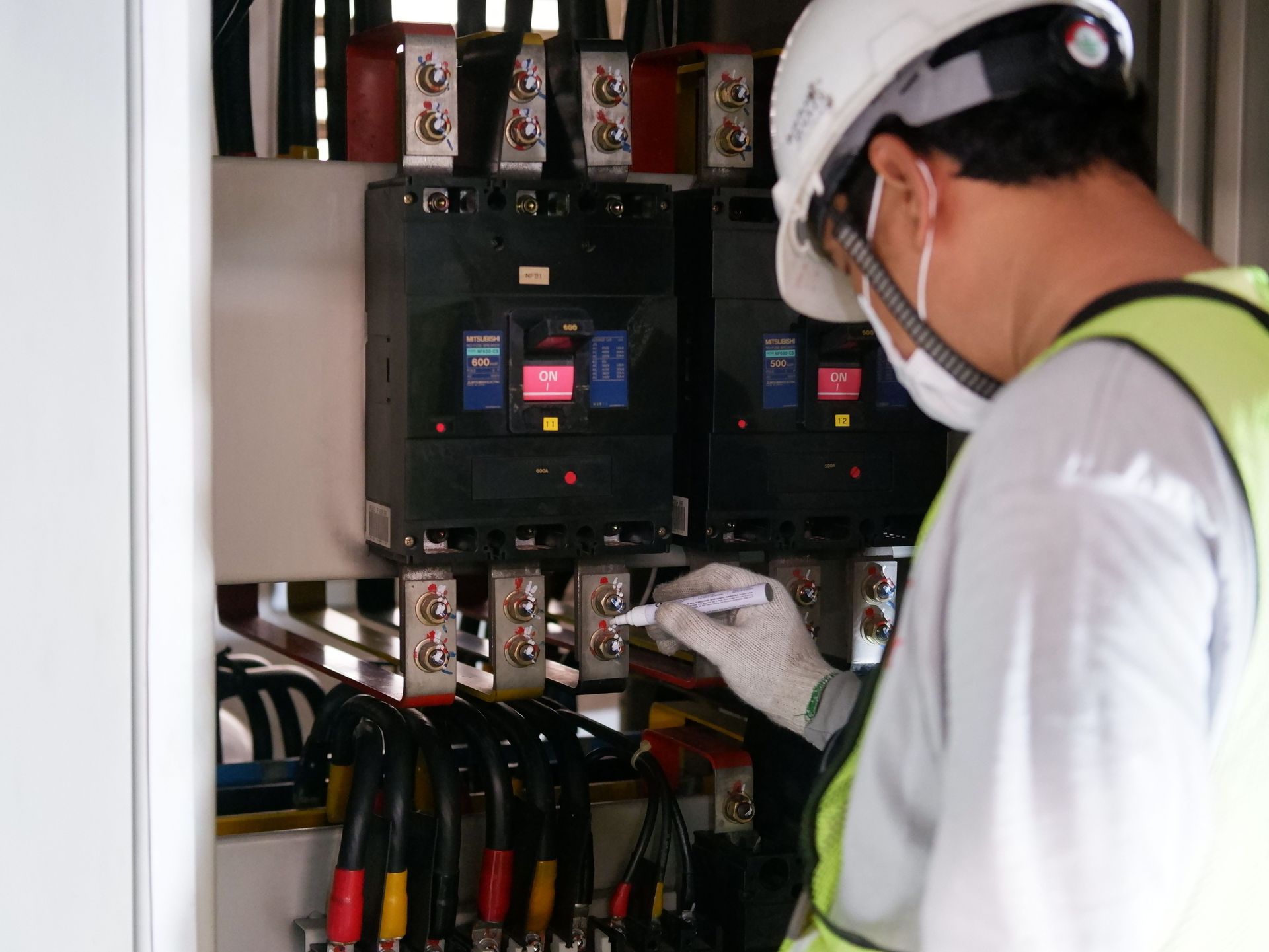
- Infrared thermography: required for electrical systems operating at 400 amperes or greater, scanning panels and connections for hot spots that indicate loose terminations or failing equipment
- Site safety items: Broward also includes parking lot illumination and guardrail checks in the recertification scope
The inspecting engineer documents deficiencies and the building owner is responsible for corrections, performed by a licensed electrical contractor under permit, before the building can be certified. That permitting step matters: corrective work done without permits will surface at the next cycle. Our guide to Florida electrical permit requirements explains how the process works in Palm Beach and Broward Counties.
The Electrical Deficiencies That Show Up Most Often
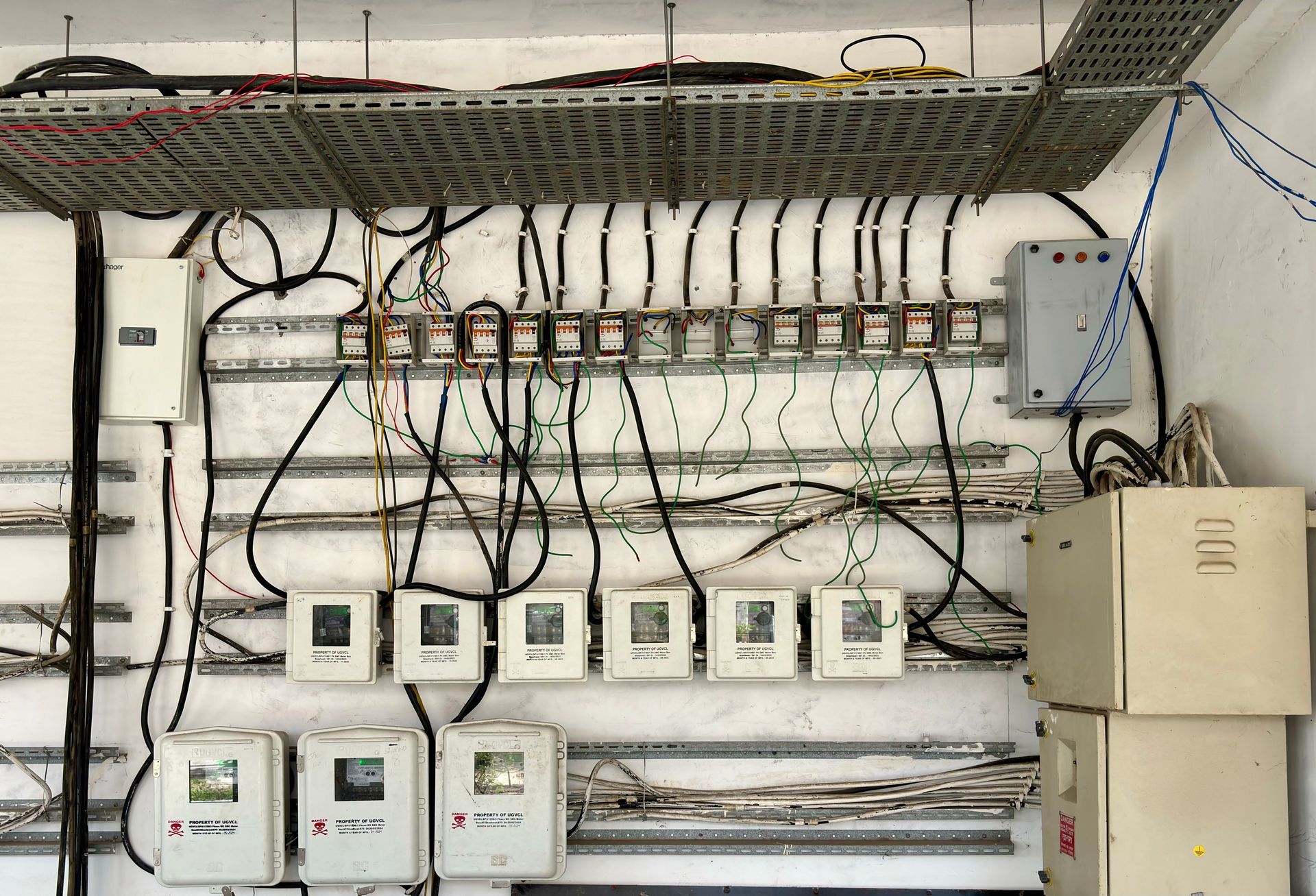
After 25 to 40 years of South Florida heat, humidity, and salt air, certain findings appear on report after report. Corroded service equipment and rusted panel enclosures top the list in coastal buildings. Thermography routinely catches loose lugs and overheated terminations in main distribution panels that have never been torqued since construction. Obsolete panelboards, abandoned and unsafe wiring from decades of tenant turnover, missing breaker labeling, non-functional emergency lighting, and deteriorated parking lot lighting circuits round out the usual suspects.
None of these are exotic problems. They are deferred maintenance with a deadline attached. Buildings that run periodic electrical maintenance between cycles, including thermographic scans of major gear, walk into recertification with short punch lists instead of six-figure surprises.
How to Prepare Before the Engineer Arrives
Smart property managers treat recertification like an exam they can study for. A pre-inspection electrical survey by a licensed contractor, six to twelve months ahead of your deadline, identifies the findings an engineer will flag and lets you correct them on your own schedule and budget. Gather your documentation as well: prior recertification reports, permit history, and maintenance records all help the engineer scope the inspection and demonstrate a maintained system.
This is also the moment to bundle improvements you already need. If the building requires service equipment repairs anyway, evaluating standby power, surge protection, and site lighting upgrades in the same mobilization saves real money. Buildings on the coast should also fold storm readiness into the same review; our hurricane season electrical preparation checklist covers the items that overlap heavily with recertification findings.
Recertification for Specialized Facilities
Mixed-use and specialized commercial properties carry additional layers. A building with a parking garage has ventilation and lighting circuits in the scope. A property with fuel storage, a generator with a day tank, or a vehicle service area may include classified zones where corrective work must follow hazardous location rules, the same Class I, Division 1 and 2 framework we explain in our guide to hazardous location electrical classifications. Corrective work in those areas requires a contractor with the right certifications, a topic we cover in how to choose an electrical contractor for hazardous location work in Florida.
What Happens If You Miss the Deadline
Non-compliance is expensive in every direction. Under Broward's program, an owner who fails to timely submit the report can be referred to a special magistrate or code enforcement board, and a building that fails to complete required repairs can ultimately be deemed unsafe and unfit for occupancy. Lenders and insurers increasingly ask for recertification status during refinancing and renewal, and an open recertification deficiency can stall a sale or trigger escrow holdbacks. By contrast, a building with a clean, current certification is easier to insure, finance, and sell. The inspection that feels like a burden functions, in practice, as a third-party endorsement of your asset's condition.
Frequently Asked Questions
Who is allowed to perform the recertification inspection?
Only a Florida-licensed professional engineer or registered architect can perform and certify the inspection report. Electrical contractors like Trophy Electric perform the corrective work the report calls for, under permit, and can perform pre-inspection surveys so you know what is coming.
Does my small commercial building need to recertify?
It depends on your jurisdiction's thresholds. Broward exempts one- and two-family dwellings and minor structures under 3,500 square feet of gross floor area, but most other commercial buildings qualify once they reach 25 years. Confirm with your local building department rather than assuming exemption.
How long do owners have to respond to a notice?
In Broward, the certified inspection report is due within 90 days of the Notice of Required Building Safety Inspection. Repair timeframes after a deficiency finding vary by jurisdiction, and extensions usually require showing permits pulled and work in progress, which is another reason to start corrective work early.
Can repairs be phased to manage budget?
Often yes, in coordination with the engineer and the building department. Life-safety items like emergency lighting and overheating connections come first; capacity and modernization items can frequently be scheduled in phases.
Get Ahead of Your Building's Recertification Cycle
Whether your property is approaching its first 25-year inspection in Broward, its 30-year mark in Miami-Dade, or a 10-year follow-up anywhere in South Florida, the buildings that fare best are the ones that treat electrical recertification as routine maintenance rather than a crisis. Trophy Electric LLC provides pre-inspection electrical surveys, corrective repairs, panel and service upgrades, emergency lighting restoration, and infrared thermography support for commercial properties throughout Palm Beach and Broward Counties. Contact us to schedule an electrical assessment before your deadline does it for you.
Recent Posts