
Electrical Panel Upgrade in South Florida: When to Move from 100-Amp to 200-Amp (or 400-Amp)

Trophy Electric LLC • June 23, 2026

Share this article

Most South Florida homes built before 1990 were designed around a 100-amp electrical service — a capacity that made sense when central air conditioning was the biggest draw in the house. Today, the average South Florida home is running two or three A/C systems, a heat pump water heater, an EV charger in the garage, and a whole-home standby generator on a transfer switch. A 100-amp panel wasn't built for this world.

Signs Your South Florida Home Has Outgrown Its 100-Amp Panel

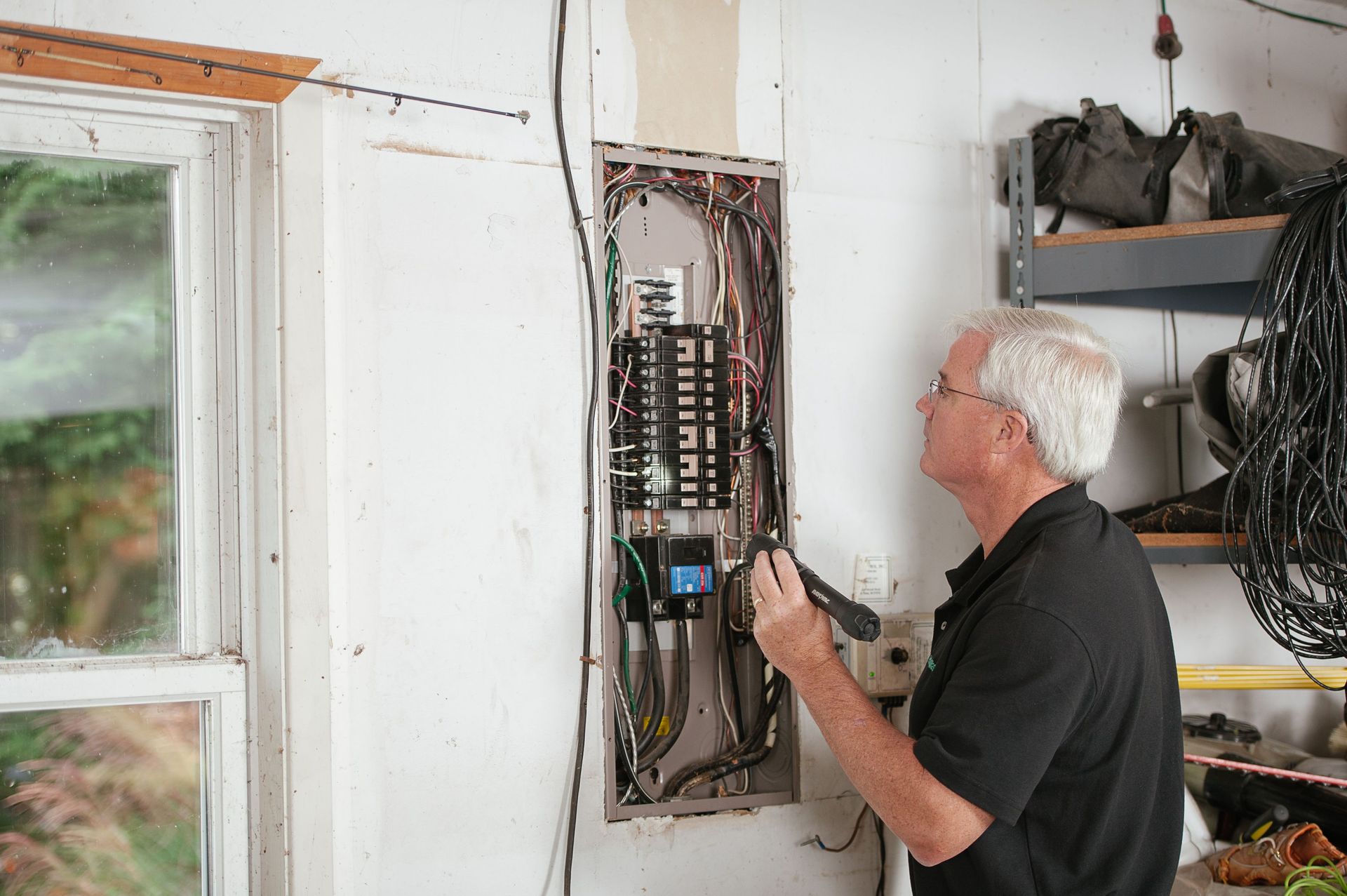
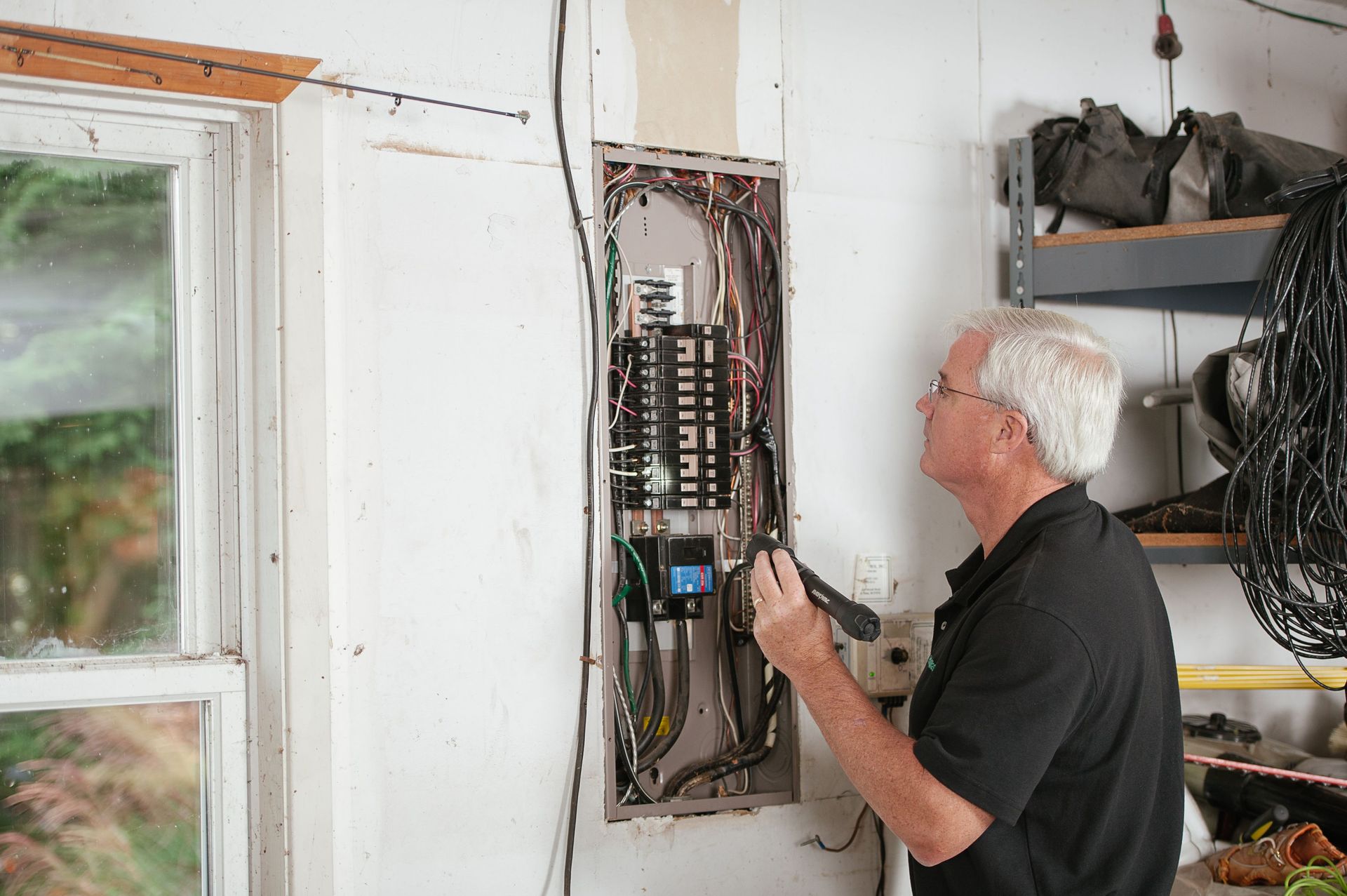
The warning signs come gradually. Breakers trip during afternoon peak hours when multiple appliances run simultaneously. Circuit breakers feel warm to the touch. Lights dim when the A/C compressor kicks on. A home inspector flags the panel during a property sale. In South Florida's insurance environment, your carrier may decline coverage or require a service upgrade before renewing — Federal Pacific Stab-Lok and Zinsco panels have already forced thousands of upgrades across Palm Beach and Broward Counties.

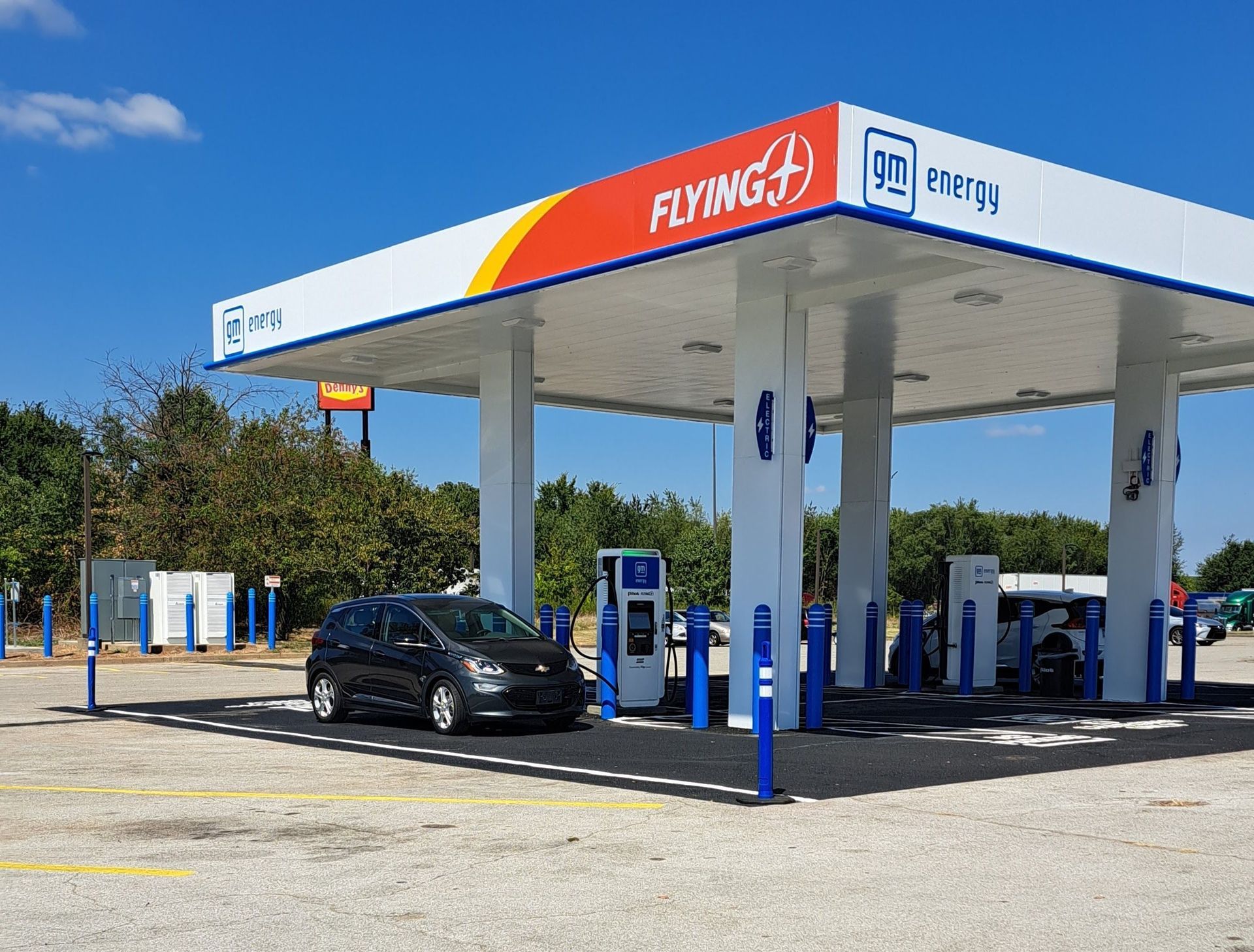
If you've added a Level 2 EV charger or are planning one, a 100-amp panel is almost certainly undersized. A single Level 2 EVSE requires a dedicated 50-amp circuit — which can represent half the panel's total usable capacity before accounting for HVAC, water heating, and kitchen loads. A standby generator installation creates a similar demand: the transfer switch and generator sub-circuits add load requirements that older panels can't reliably support.

Homes with Federal Pacific Stab-Lok or Zinsco panels face an additional urgency: Florida insurers are increasingly denying coverage or requiring replacement of these panels as a condition of renewal. If you're facing an insurance-driven replacement, upgrading service capacity at the same time is almost always the economical decision.

What a South Florida Panel Upgrade Actually Involves

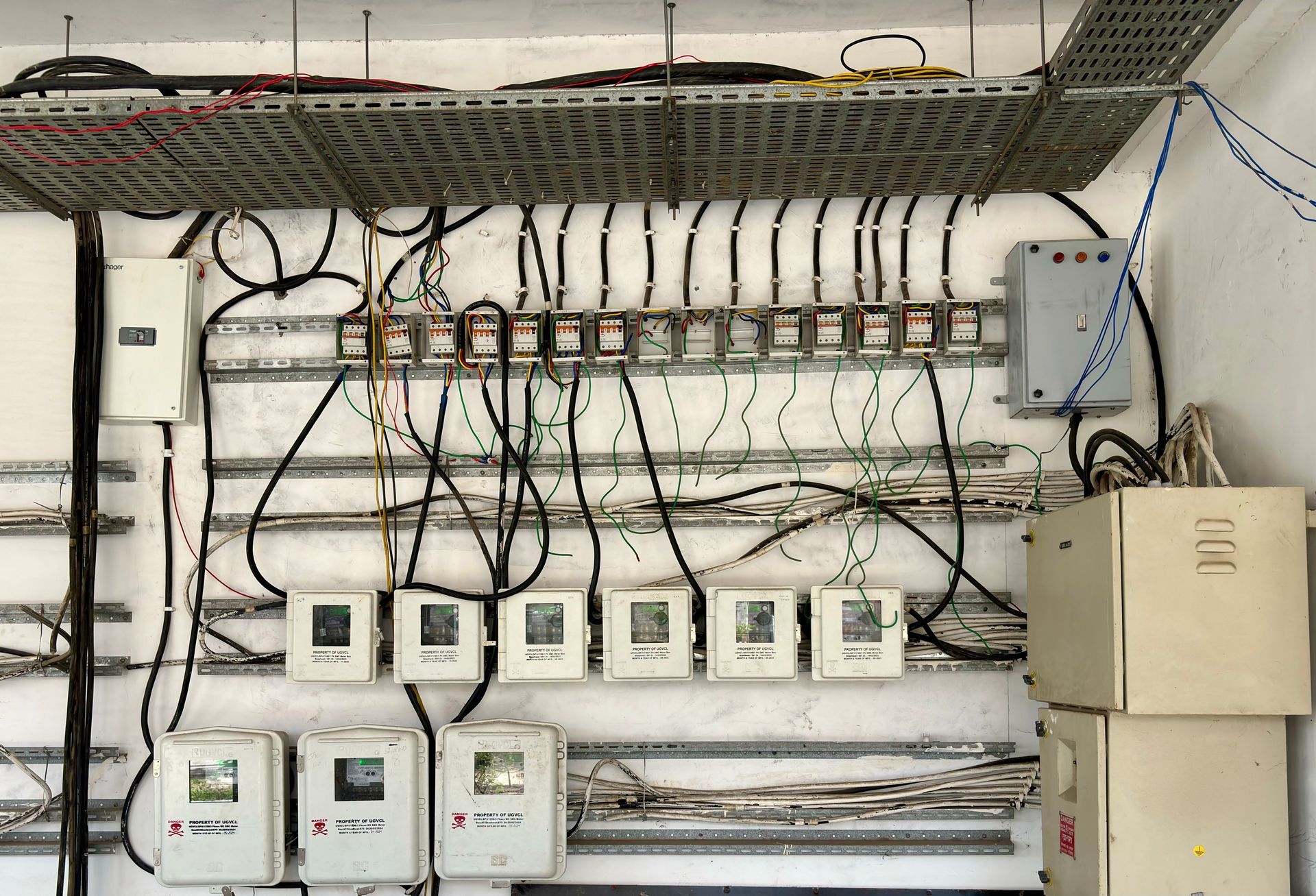
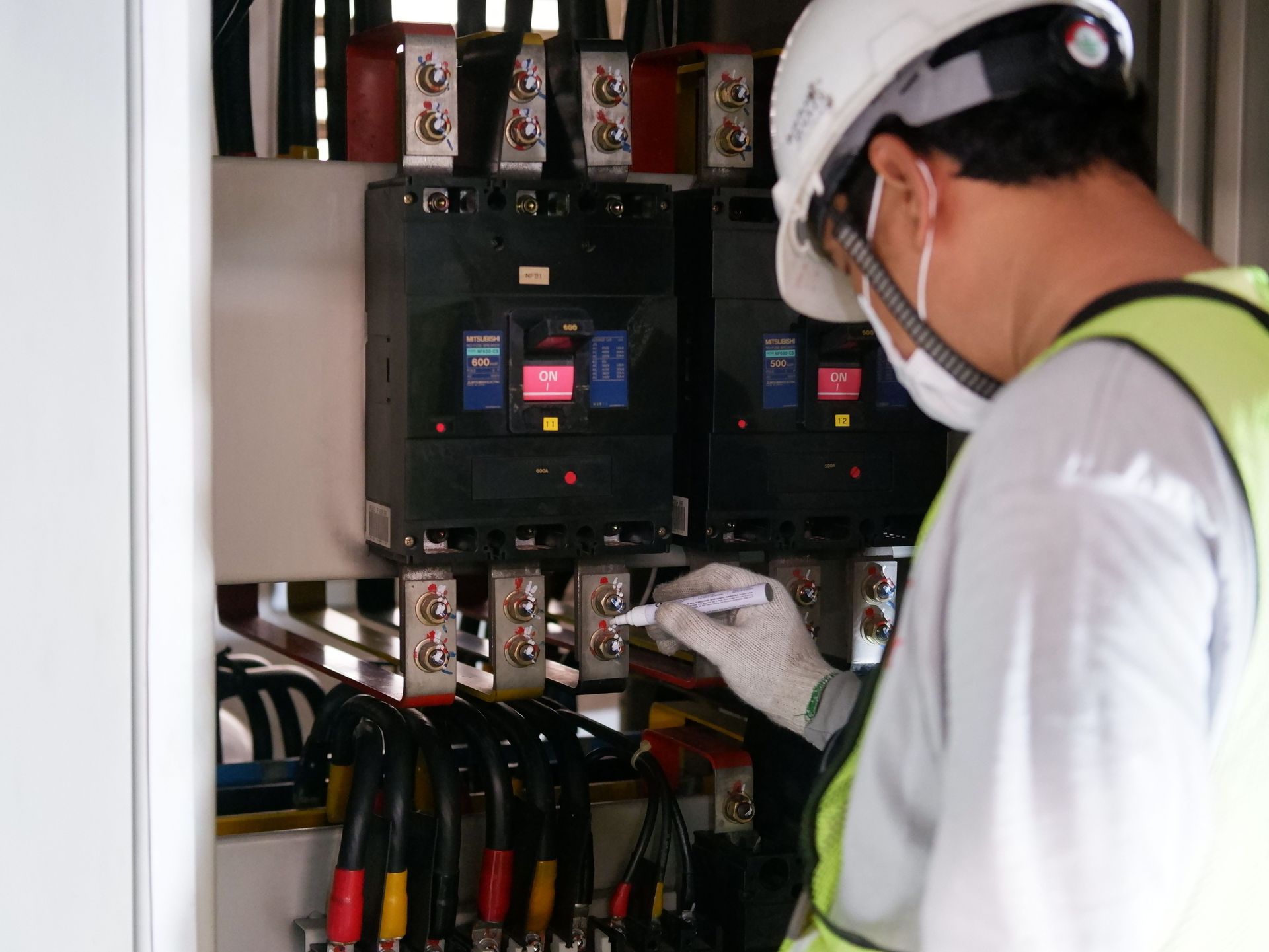
A service upgrade is more than swapping the panel box. When moving from 100-amp to 200-amp service, the work typically includes replacing the panel board, the service entrance cable running from the meter to the panel, the meter socket if it isn't rated for the new ampacity, and the main disconnect. Each component must be sized for the new service rating — a 200-amp panel on undersized service entrance conductors is a code violation and a fire risk.

In South Florida, an electrical service upgrade involves four distinct phases. First, the licensed electrician performs an Article 220 load calculation to confirm the service ampacity required. Second, the work is permitted through Palm Beach County, Broward County, or the applicable municipality — all electrical panel work in Florida requires a permit. Third, Florida Power & Light (FPL), Duke Energy, or TECO is coordinated for a meter pull; utilities won't reconnect service until the work passes inspection. Fourth, the installation proceeds with rough-in and final inspections by the Authority Having Jurisdiction (AHJ).

An electrical permit is legally required for every panel upgrade in Florida without exception. Unpermitted panel work creates significant insurance liability — carriers can and do deny claims after a fire when they discover unpermitted electrical modifications.

100-Amp vs. 200-Amp vs. 400-Amp: Which Service Does Your Home Need?

The right service size depends on your home's current and planned loads, not on a rule of thumb. That said, here's how it typically maps out for South Florida residential properties.

100-amp service is no longer the standard for new Florida homes. Under NEC Section 230.79(C), 100 amps is the minimum service allowed for a single-family dwelling — but this is a floor, not a design target. Florida adopted the 2023 NEC; new construction is built to far higher standards. If your home has 100-amp service, it was likely built before 1980 and is running on infrastructure designed for a completely different electrical world.

200-amp service is the current standard for most South Florida homes. It supports central air conditioning, a heat pump water heater, a single Level 2 EV charger, standard kitchen and laundry loads, and a dedicated sub-circuit for a generator transfer switch. Most homeowners planning a single major addition — an EV charger, a pool heater, a home addition, or a generator — will find 200-amp service sufficient when the load calculation is done properly.

400-amp service is appropriate for larger properties, homes with multiple central air systems, two or more EVs, a heated pool and spa, and whole-home electrification. Palm Beach County's estate home inventory makes 400-amp service a common call for larger properties. A 400-amp upgrade also future-proofs against additional load growth in ways a 200-amp service won't.

Trophy Electric performs a full Article 220 load calculation before recommending any service size. This is code-mandated engineering — not guesswork — and it prevents both undersizing (fire hazard) and oversizing (unnecessary cost).

What Does an Electrical Panel Upgrade Cost in South Florida in 2026?

The cost range is wide, and the variance is real — not inflated. Here's what drives it in Palm Beach and Broward Counties specifically.

For a 100-amp to 200-amp panel upgrade in Palm Beach County, homeowners typically spend between $1,500 and $4,500 , according to a 2026 cost guide published by a licensed Palm Beach County electrical contractor. The biggest variable is whether the service entrance cable and meter socket also need replacement. If the existing service entrance cable isn't rated for 200-amp service, it must be replaced — adding $500 to $2,000 in materials and labor depending on the service mast configuration.

In Broward County, where Trophy Electric serves Fort Lauderdale and surrounding communities, the range for a standard 200-amp upgrade runs $2,500 to $4,500 , based on data from licensed Broward County contractors. Older homes built before 1990 that require grounding system updates or additional code corrections can exceed $5,000.

A realistic cost breakdown for a typical South Florida panel upgrade:

  • Panel board and breakers: $500–$1,200 (AFCI/GFCI-rated breakers add to this cost)
  • Labor — licensed master electrician: $1,000–$2,000
  • Permits and inspections: $150–$500 (Palm Beach and Broward Counties)
  • FPL coordination and meter work: $200–$500
  • Service entrance cable replacement (if required): $500–$2,000

Quotes that come in significantly below this range should be scrutinized carefully. Unlicensed work, unpermitted installations, or substituting standard breakers for required AFCI/GFCI types are the typical cost-cutting mechanisms — and each one creates real liability for the homeowner.

FPL Coordination and Permitting in Palm Beach and Broward Counties

Every panel upgrade in Palm Beach and Broward Counties requires a permit pulled by the licensed electrical contractor. The contractor submits for permit, the building department reviews and issues, and work begins only after the permit is in hand. Permit fees range from $150 to $500 depending on project scope and municipality.

The larger coordination requirement is with Florida Power & Light. FPL must disconnect and reconnect metered service for a panel upgrade — there is no code-compliant way to swap a service panel without utility involvement. FPL maintains its own service entrance specifications — covering meter socket ratings, service mast configuration, clearances, and metering equipment — that your contractor must meet as a condition of reconnection. An electrician unfamiliar with FPL's current standards creates scheduling delays and potential failed inspections at the utility stage.

Trophy Electric coordinates directly with FPL on service entrance specifications for every upgrade across South Florida. In Matthew Tropepe's words, working with utilities "keeps our clients returning to us for their electrical needs" — because the job is finished right the first time, and the power comes back on schedule.

AFCI and GFCI Compliance When Replacing a Panel Under Florida's 2023 NEC

When a panel is replaced or upgraded, Florida's adopted 2023 NEC requires that branch circuits in applicable locations meet current AFCI and GFCI protection standards — even in an older home. This compliance requirement is a significant scope item that some contractors omit from their initial quotes.

Under NEC Section 210.12, Arc-Fault Circuit Interrupter (AFCI) protection is required for all 120-volt, 15- and 20-ampere branch circuits supplying bedrooms, family rooms, dining rooms, living rooms, kitchens, laundry areas, hallways, and similar rooms in a dwelling unit. Our detailed Florida AFCI breaker requirements guide covers which circuits are covered and when the requirements apply to older homes during panel replacement.

GFCI protection under NEC Section 210.8 is required in bathrooms, garages, outdoor locations, crawl spaces, unfinished basements, and kitchen areas within six feet of a sink. The 2023 NEC expanded coverage in several categories. AFCI and GFCI breakers cost more than standard circuit breakers — a cost difference that belongs in any honest panel upgrade proposal.

Whole-home surge protection is also now required under NEC 230.67 for new panel installations. Florida's position as the lightning capital of North America makes this requirement particularly important — surge protection at the service entrance guards HVAC systems, appliances, and sensitive electronics from the voltage spikes that follow nearby lightning strikes. Trophy Electric installs Type 1 or Type 2 surge protective devices at the service entrance as part of every panel upgrade.

Why Three Generations of Master Electrician Expertise Matters on a Service Upgrade

A panel upgrade touches every branch circuit in your home, coordinates with the utility on your behalf, and must pass inspection by the AHJ. The quality gap between licensed master electrician work and unlicensed or under-licensed work shows up in three places: the accuracy of the load calculation, the quality of the service entrance installation, and the completeness of AFCI and GFCI compliance.

Trophy Electric was founded by Matthew Tropepe, who learned his trade working with his father — whose father served as president of the Massachusetts Electrical Contractors Association. Three generations and over 65 years of combined electrical knowledge inform every service upgrade Trophy Electric performs. You can see the family's work in landmark South Florida properties including Pier 66 Marina and Island Gardens — commercial installations that demand exactly the precision required on a residential service upgrade.

When you hire Trophy Electric for a service upgrade, a licensed master electrician pulls the permit, performs the load calculation, coordinates directly with FPL, and is present for the final inspection. The goal, in Matthew's own words, is "to build a product that will stand against time and leave you happy." For residential electrical services throughout Boca Raton, Delray Beach, Pompano Beach, and surrounding South Florida communities, that commitment to generational craftsmanship is what separates Trophy Electric from contractors who treat a panel upgrade as a commodity job.

Frequently Asked Questions: Panel Upgrades in South Florida

How long does a panel upgrade take in South Florida?
A standard 100-amp to 200-amp upgrade typically takes 4 to 8 hours for the electrical work. FPL's disconnect and reconnect scheduling adds time if not arranged in advance. Trophy Electric coordinates the utility scheduling upfront so most residential upgrades complete in a single day.

Will I need to upgrade to 200-amp to install an EV charger?
Not always, but frequently. A dedicated 50-amp circuit for a Level 2 EVSE is a substantial load on a 100-amp service. A load calculation determines the answer definitively. See our full EV charger installation guide for South Florida homeowners.

Is a permit always required for a panel upgrade in Florida?
Yes. There are no exceptions. Unpermitted panel work creates insurance liability and is a safety risk. Every Trophy Electric panel upgrade is fully permitted, inspected, and documented.

What if my home has aluminum branch circuit wiring?
Aluminum wiring (common in late 1960s–1970s Florida construction) requires aluminum-rated breakers and proper device terminations during a panel upgrade. This is a known factor in South Florida's older housing inventory — Trophy Electric evaluates it as part of the upgrade scope.

Can a panel upgrade improve my home insurance situation?
Replacing a Federal Pacific, Zinsco, or Challenger panel frequently resolves carrier concerns that were triggering non-renewal notices. A 200-amp upgrade with properly permitted and inspected work also documents your home's electrical system as code-compliant — which matters at renewal and at sale.

Ready to evaluate your home's electrical service capacity? Contact Trophy Electric LLC for a free estimate — licensed master electricians serving Boca Raton and South Florida.

Recent Posts

By Trophy Electric LLC June 23, 2026
South Florida pool owners: understand NEC Article 680 bonding, GFCI, and equipotential grounding requirements before your next inspection. Trophy Electric LLC — 65+ years combined expertise in water-adjacent electrical — serves Boca Raton and South Florida.
By Trophy Electric LLC June 23, 2026
Florida homeowners: understand where AFCI breakers are required under the Florida Building Code — which rooms, renovation triggers, and when you need both AFCI and GFCI. Trophy Electric LLC, licensed master electrician serving Boca Raton and South Florida.
Commercial building electrical equipment being evaluated during a recertification inspection
By Trophy Electric LLC June 19, 2026
Broward's 25-year and Miami-Dade's 30-year building recertifications require electrical inspections. Learn what's covered, common deficiencies, and how Trophy Electric LLC helps South Florida buildings pass.
By Trophy Electric LLC June 17, 2026
Florida gas station owners: understand NEC Article 514, FDACS petroleum regulations, and hazardous location electrical requirements before your next inspection. Trophy Electric LLC specializes in fuel station compliance across South Florida.
Boats docked at a Florida marina with shore power pedestals along the pier
By Trophy Electric LLC June 12, 2026
NEC 555.35 GFPE rules, the 2026 leakage current measurement requirement, and how Florida marinas should plan shore power pedestal upgrades. Trophy Electric LLC is South Florida's marina electrical specialist.
Open residential electrical panel with circuit breakers being inspected by an electrician
By Trophy Electric LLC June 11, 2026
Florida insurers are denying coverage over Federal Pacific, Zinsco, and Challenger panels. Learn why these panels fail 4-point inspections, what replacement costs, and how Trophy Electric LLC handles panel upgrades in Boca Raton.
By Trophy Electric LLC May 29, 2026
Level 2 EV charger installation in Boca Raton: panel requirements, permits, costs, and why a licensed electrician is essential. Trophy Electric LLC installs EV chargers throughout South Florida.
By Trophy Electric LLC May 22, 2026
Everything Boca Raton homeowners need to know about standby generator installation: permits, transfer switch requirements, sizing, and costs. Trophy Electric LLC handles generator projects throughout Palm Beach and Broward Counties.
By Trophy Electric LLC May 15, 2026
NEC 2020 now requires surge protection at the service entrance for new homes. Learn about Type 1 vs Type 2 SPDs, costs, and why Florida's lightning makes this essential. Trophy Electric LLC installs surge protection in Boca Raton and South Florida.
By Trophy Electric LLC May 8, 2026
Pre-storm electrical checklist for South Florida property owners: surge protection, generator requirements, and post-hurricane safety. Trophy Electric LLC offers 24/7 emergency electrical service in Boca Raton and beyond.
Show More