Commercial LED Lighting Retrofit in South Florida: Energy Savings, FPL Rebates, and the Permit Process in 2026
For most South Florida businesses, commercial lighting is a set-it-and-forget-it expense — fluorescent tubes in office areas, high-intensity discharge (HID) fixtures in warehouses and service bays, metal halide canopy lights at fuel dispensers and car wash tunnels. The system works until it doesn't, replacement bulbs become harder to source, and the electric bill stays high. A planned LED retrofit changes that picture entirely, but it is not a project you hand to a handyman or manage without an electrical permit. Done correctly, a commercial LED upgrade in South Florida can cut your lighting energy costs by 50 to 80 percent, qualify your business for Florida Power & Light rebates of up to $40 per qualifying fixture , and measurably improve the working environment across your facility.
This guide covers what commercial LED retrofits actually involve for South Florida businesses — the real energy and financial case, how FPL's rebate program works, what the electrical permit process looks like in Broward and Palm Beach Counties, and what to look for in the contractor you hire to do it right.
Why Commercial LED Retrofits Are Not the Same as Swapping Bulbs
A residential LED swap is straightforward: unscrew the old bulb, screw in the new one. Commercial retrofits operate in a different category — both technically and from a code-compliance standpoint.
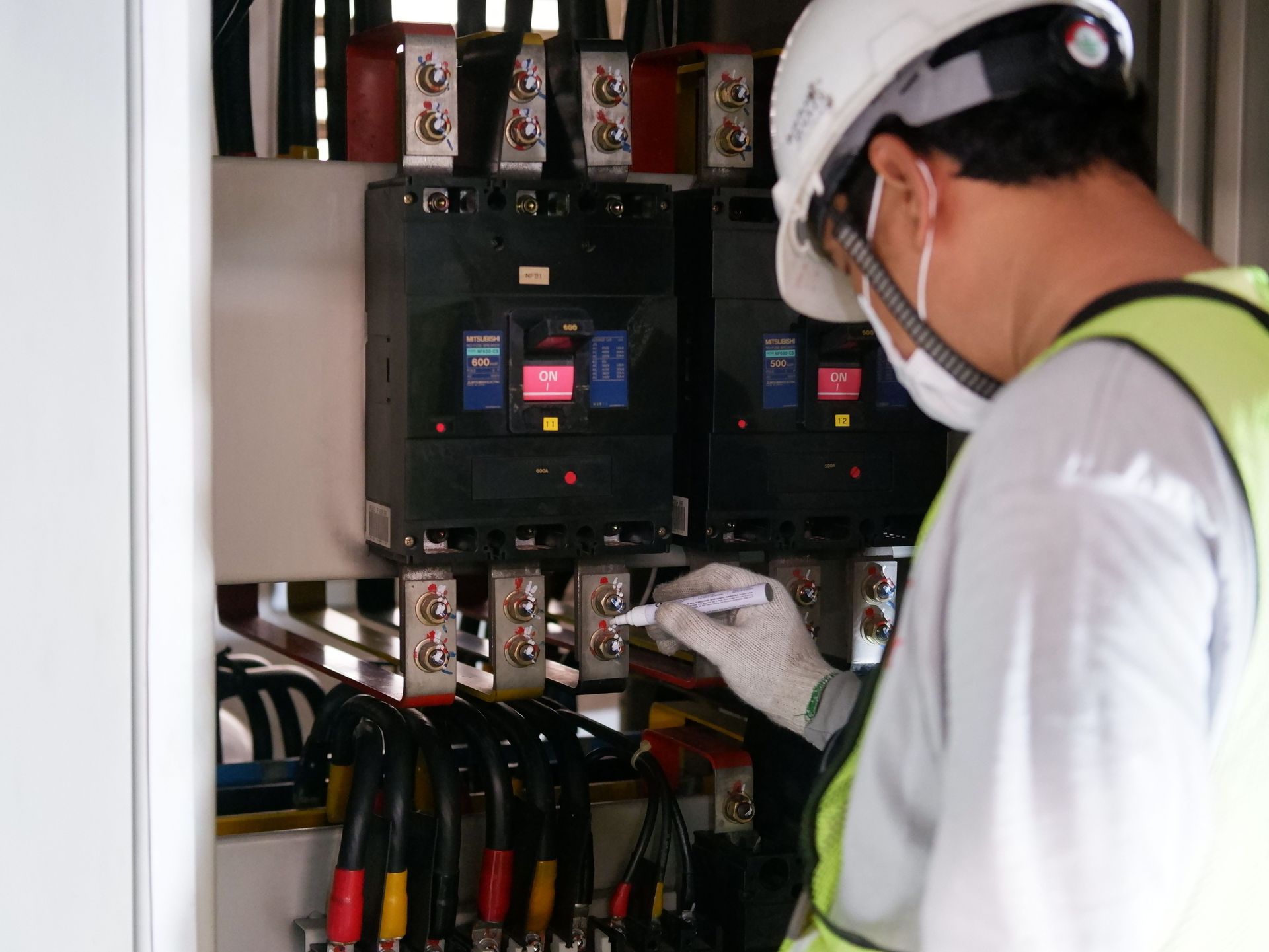
In a commercial facility, lighting loads are calculated as part of the original electrical service design. High-intensity discharge fixtures in warehouses and high-bay manufacturing spaces, metal halide canopy lights at gas station fuel dispenser islands, and fluorescent troffers in office spaces each draw specific power loads that were factored into panel and feeder sizing when the building was wired. Replacing those fixtures with LED equivalents typically reduces the load on those circuits significantly — a 400-watt metal halide fixture replaced with a 150-watt LED high bay, for example, reduces that circuit's load by 62.5 percent. That is good for your energy costs, but it also means the electrical work may require a permit, an inspection, and a licensed electrical contractor in Florida.
Commercial LED retrofits also involve specialized equipment: LED drivers, occupancy sensors, daylight harvesting controls, emergency battery backup integration, and — in hazardous locations like gas station canopies and car wash chemical storage areas — fixtures rated for wet or classified locations. None of these are plug-and-play installations, and errors in wiring or code compliance can create safety risks and fail inspections.
The Energy and Cost Case for South Florida Commercial Buildings
The financial case for commercial LED upgrades in South Florida is compelling, particularly given the region's year-round operating hours and cooling loads. According to Florida Power & Light, indoor lighting accounts for more than 25 percent of a commercial building's total energy use — and that figure runs higher for facilities with extended operating hours, such as car washes, marinas, and fueling stations that operate from early morning into the evening.
The U.S. Department of Energy's Solid-State Lighting Forecast projects that annual energy savings from LED lighting will exceed 569 terawatt-hours by 2035 — equivalent to the annual output of more than 92 large power plants — as commercial adoption continues to grow. That macro figure translates to real numbers at the facility level: replacing 400-watt metal halide high bays with 150-watt LED equivalents cuts energy draw for those fixtures by 62.5 percent. On a facility with 40 high-bay fixtures running 14 hours a day, that one change reduces energy consumption for those fixtures by roughly 84,000 kilowatt-hours annually — before any occupancy sensing or lighting controls are factored in.
Beyond pure energy costs, LED fixtures carry dramatically extended service lives compared to metal halide and fluorescent sources. For commercial facilities where replacing a burned-out fixture in a high-bay or canopy location requires lift equipment and a maintenance crew, that extended lifespan has a real dollar value that compounds year over year in avoided replacement and labor costs.
FPL's Business Lighting Rebate Program: What Broward and Palm Beach County Businesses Can Claim
Florida Power & Light operates a Business Lighting Rebate Program that provides cash incentives for commercial customers who upgrade to qualifying LED fixtures. As of 2026, FPL offers up to $40 per qualifying indoor LED fixture for businesses in its South Florida service area — a rebate that can meaningfully offset the upfront cost of a large-scale retrofit project.
The program's qualifying fixtures include new indoor high-bay, mid-bay, and low-bay LED fixtures — the category most commonly retrofitted in warehouses, manufacturing spaces, service bays, and commercial facilities with open ceiling plans. Key eligibility requirements per FPL's published program guidelines:
- The rebate applies to existing buildings only (not new construction).
- Qualifying fixtures must be installed by a licensed contractor .
- Fixtures must operate during the 3–6 p.m. weekday window from June 1 through September 30 — a peak-demand requirement that virtually any commercial facility with regular daytime operations will meet.
- Pre-approval or post-installation confirmation with an FPL program specialist is recommended (contact: Lighting-Rebates@FPL.com).
For a business replacing 60 high-bay fixtures across a warehouse or service facility, the rebate alone can reach $2,400 — directly compressing the project's payback period. FPL offers similar incentive structures for HVAC and equipment upgrades, so lighting retrofits can sometimes be coordinated with broader energy efficiency initiatives to maximize the total incentive capture from a single project cycle.
Businesses undertaking substantial commercial lighting upgrades may also want to investigate the federal Section 179D Commercial Buildings Energy Efficiency Tax Deduction, which applies to qualifying commercial building improvements meeting specific energy reduction thresholds. Consult a tax advisor for current eligibility requirements and documentation standards, as the IRA-era modifications changed the prior rules significantly.
Specialized LED Applications: Gas Stations, Car Washes, and Marine Facilities in South Florida
Trophy Electric works extensively with petroleum contractors, car wash operators, and marina developers throughout South Florida — and LED retrofits in these environments involve code and installation considerations that differ meaningfully from a standard commercial office or warehouse project.
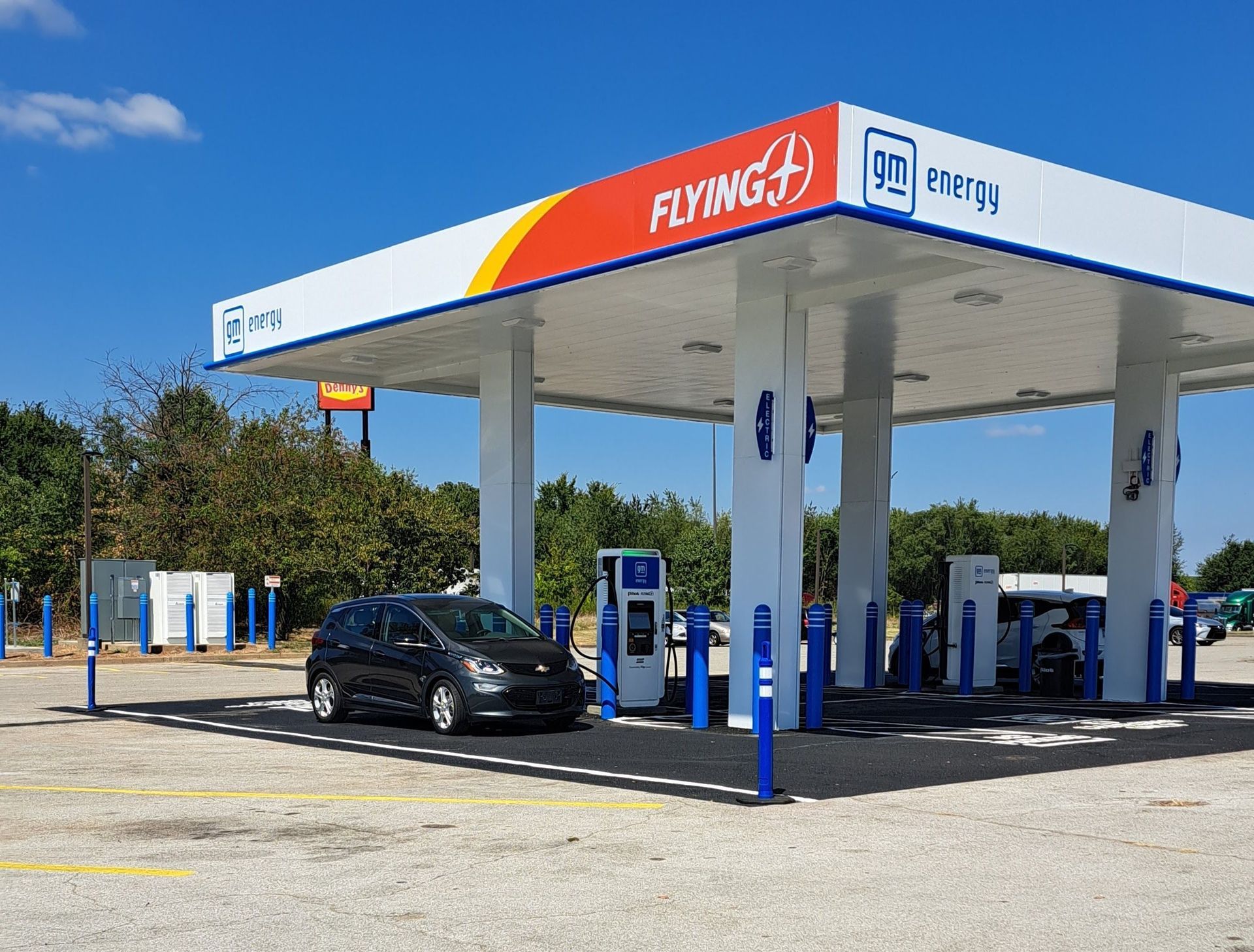
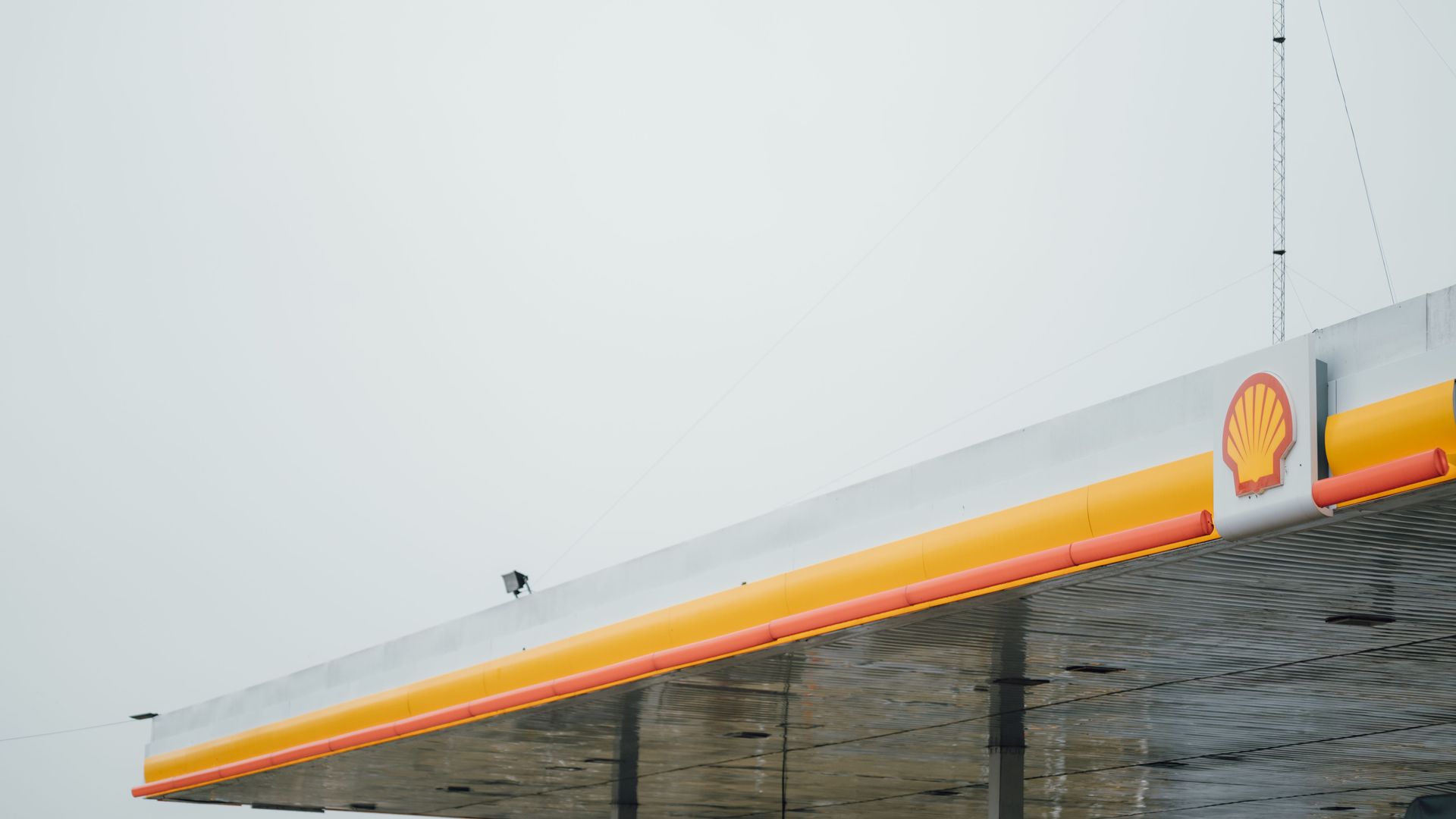
Gas station and petroleum facility LED lighting involves canopy fixtures over fuel dispenser islands. These locations fall under NEC Article 514 classification requirements for motor fuel dispensing facilities, which establish hazardous location boundaries around dispensers and underground storage tank vents. LED canopy fixtures installed within Article 514 hazardous zones must be rated for the applicable Class I, Division 2 classification — a specification that eliminates most standard commercial fixtures and requires a contractor who understands the classification scheme. Our gas station electrical contractor services include canopy lighting within the full scope of petroleum facility electrical work. For code compliance specifics, see our guide to gas station electrical code compliance in Florida.
Car wash lighting retrofits require wet-location-rated or watertight fixtures throughout the tunnel or bay, given constant moisture, high-pressure water, and chemical exposure. In these applications, we typically specify LED vapor-tight fixtures with stainless steel or fiberglass housings rated for the wash environment. The broader electrical requirements for car wash systems add a layer to the lighting scope that an experienced commercial electrical contractor accounts for during design and permitting — particularly in facilities that combine petroleum and car wash operations, where both Article 514 hazardous location rules and wet location code compliance apply simultaneously.
Marina LED lighting retrofits present a third specialized environment. Dock and pier lighting must meet wet location and, in covered marina structures, damp location ratings. Shore power pedestal areas and boat lift zones have specific NEC Article 555 requirements that interact with any illumination installed nearby. Our marina electrical contractor team coordinates lighting retrofits within the full scope of marina electrical work, ensuring new fixtures don't create code compliance issues in locations that already carry significant regulatory oversight.
The Electrical Permit Process for Commercial Lighting Upgrades in Broward and Palm Beach Counties
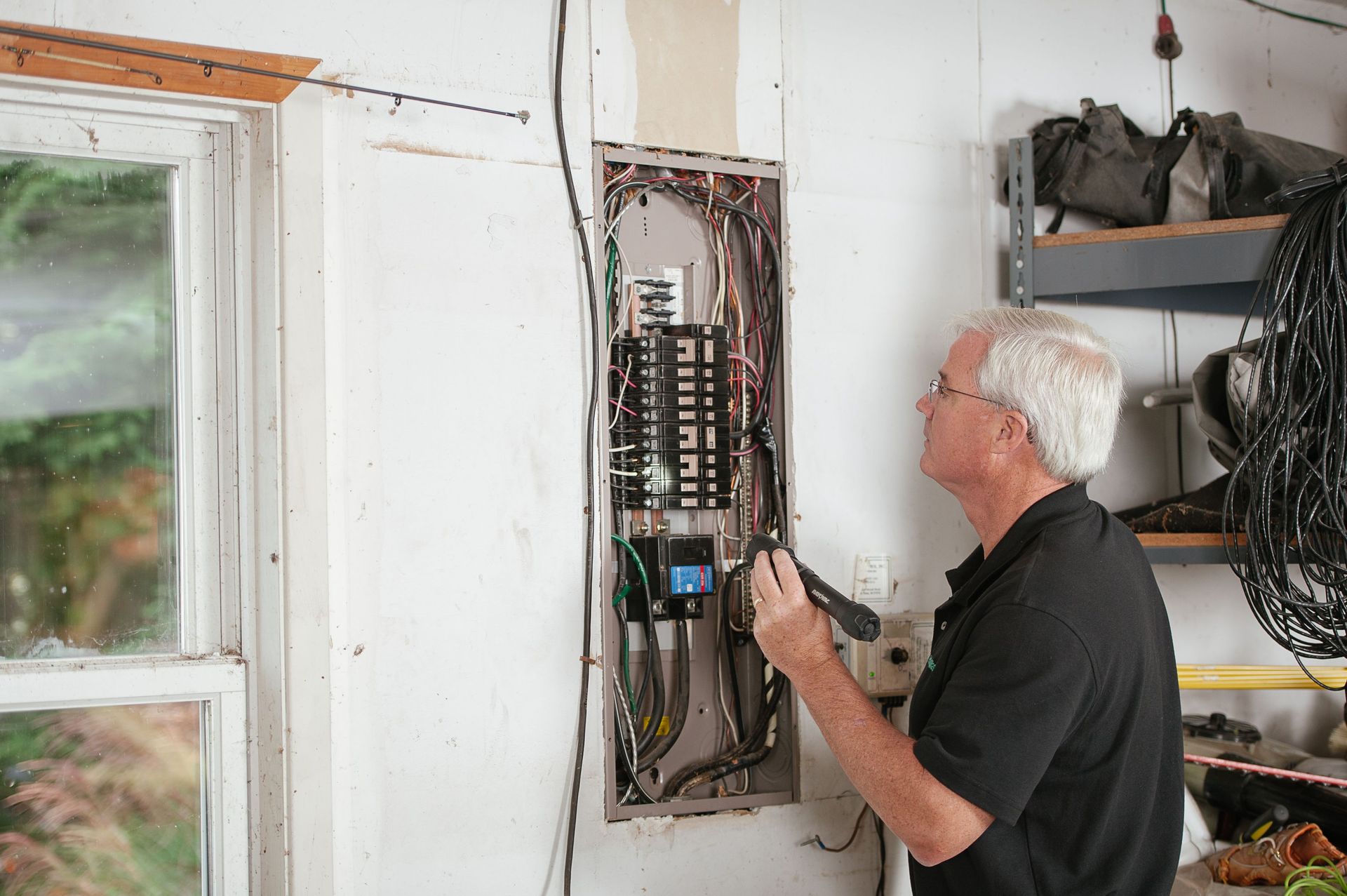
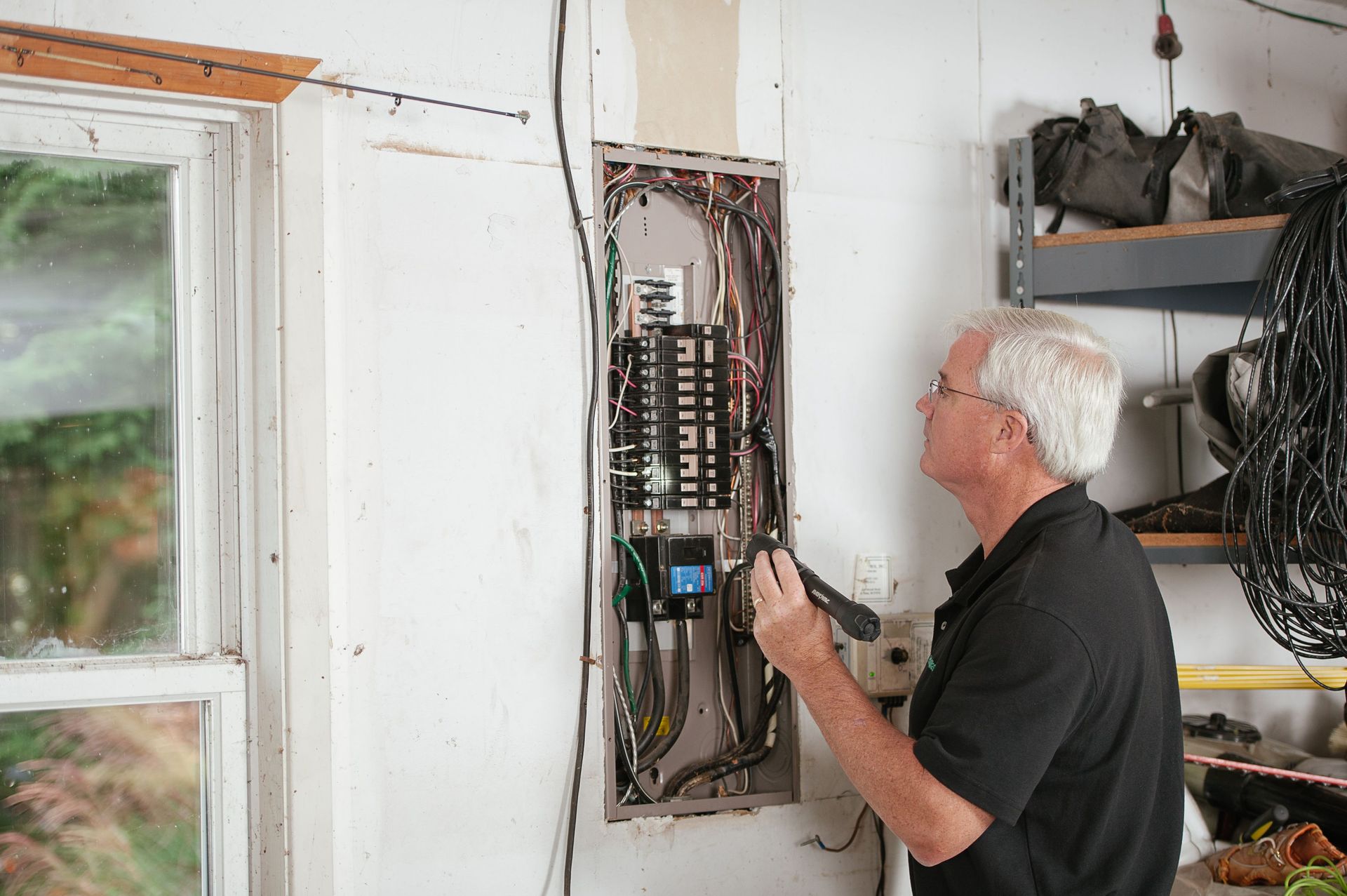
Whether a commercial lighting project requires a permit in Florida depends on the scope of work. Simple lamp-for-lamp substitutions in existing fixtures — swapping an LED tube into the same fluorescent housing without modifying any wiring — typically do not require a permit. Replacing fixture housings, adding new circuits, installing occupancy controls wired to panels, or modifying the electrical system in any way that affects the building's service or feeder does require a licensed electrical contractor to pull a separate electrical permit.
In Broward County, electrical permits are trade permits issued to a licensed electrical contractor under Florida Statute 489.505. These are separate from building permits — only a licensed electrical contractor can pull an electrical permit for lighting work, regardless of the status of any general building permit on the same project. Applications are submitted through the Broward County ePermits OneStop portal, and commercial electrical projects typically require plan review before issuance. Practical points for South Florida businesses planning a commercial lighting project:
- Permits expire under Florida Building Code Section 105.4 if work does not commence within 180 days of issuance, or if work is suspended for 180 consecutive days. Projects that span seasons need to be managed with these timelines in mind.
- FPL rebate documentation is supported by the permit and inspection record — another reason to pull permits on qualifying projects rather than working around the requirement.
- Inspections are staged: a rough-in inspection for any new wiring, then a final electrical inspection upon project completion. The final inspection clears the work and supports your rebate submission documentation.
Palm Beach County follows similar requirements under the Palm Beach County Building Division, with electrical permits required for any work that modifies circuits, adds fixtures beyond a circuit's designed capacity, or adds control systems. When in doubt about whether your project scope requires a permit, confirm with your licensed electrical contractor before work begins — unpermitted electrical projects can create insurance and property-sale complications that cost far more than the permit itself.
What to Look for When Hiring a Commercial Electrical Contractor for a Lighting Retrofit
A commercial LED retrofit is a substantial investment — equipment, labor, permitting, and system design combined can range from tens of thousands of dollars for a mid-size facility to significantly more for a large industrial or commercial complex. The contractor you hire sets the ceiling for the outcome.
Trophy Electric's team has spent more than 15 years working on commercial electrical projects throughout South Florida, backed by a multi-generational family tradition of electrical contracting spanning more than 65 years of combined experience . Matthew, Trophy Electric's founder, followed his father's path into the trade — and his grandfather before him, who served as president of the Massachusetts Electrical Contractors Association. That lineage means our team has encountered the full range of commercial electrical environments, including the specialized classification and code requirements that come with petroleum facilities, marinas, and car washes — environments we have built from the ground up, including Pier 66, Island Gardens marinas, and El Car Wash locations across South Florida.
When evaluating any commercial electrical contractor for a lighting retrofit in South Florida, look for:
- An active Florida electrical contractor license (verifiable through the Florida DBPR website). Only licensed contractors can pull electrical permits, which is required for most fixture replacement and control system projects.
- Experience with your specific facility type. A contractor whose primary work is residential service calls has different experience than one who has wired car wash motor circuits, gas station canopy systems, or marina shore power — environments where code requirements are layered and the consequences of errors are serious.
- Familiarity with FPL's rebate program. Your contractor should be able to identify qualifying fixtures, provide documentation required for your rebate application, and coordinate the installation timeline to meet FPL's usage confirmation requirements.
- References from comparable commercial projects in South Florida. Ask specifically about prior LED retrofit projects in facilities similar to yours, and verify those references before signing a contract.
Trophy Electric's commercial electrical contractor services cover Palm Beach County, Broward County, and surrounding South Florida areas. Contact us to discuss your commercial lighting retrofit — we'll identify which fixtures qualify for FPL rebates, walk you through the permit process for your scope, and provide a realistic energy savings projection for your facility type.
Frequently Asked Questions About Commercial LED Retrofits in South Florida
Does every commercial lighting upgrade require an electrical permit in Florida?
Not every change requires a permit. Lamp-for-lamp substitutions in existing fixtures — for example, replacing a fluorescent tube with a compatible LED plug-in tube without modifying any wiring — generally do not require a permit. However, replacing fixture housings, installing new fixtures on existing circuits, adding occupancy controls wired to electrical panels, or any modification that touches the building's electrical system requires a licensed electrical contractor to pull an electrical permit in Florida. When uncertain about your scope, confirm with your contractor before starting work.
How does the FPL lighting rebate process work?
FPL's Business Lighting Rebate Program requires fixtures to be installed by a licensed contractor. FPL recommends contacting a program specialist before installation to confirm eligibility, then submitting project documentation — including installation records — after completion. Contact FPL at Lighting-Rebates@FPL.com or visit FPL's Business Lighting page to initiate the process. All businesses are eligible; the rebate applies to existing buildings, not new construction.
Do gas station canopy lights and car wash lights require special fixtures?
Yes. Gas station canopy areas within the NEC Article 514 hazardous location classification boundaries require fixtures rated for Class I, Division 2 environments — not standard commercial LED fixtures. Car wash tunnel and bay lighting must be rated for wet locations and typically requires vapor-tight housings suitable for high-pressure water and chemical exposure. Both facility types involve specialized specifications that go beyond standard commercial lighting experience. See our resources on gas station electrical code in Florida and car wash electrical system requirements for detail.
How long does a commercial LED retrofit take from permit to completion?
Timeline depends on facility size and project scope. A straightforward high-bay fixture replacement without new circuits or controls — say, 40 fixtures in a warehouse — can be completed in two to three days of installation work, plus time for permit review and inspection scheduling. Permit plan review for commercial electrical projects in Broward and Palm Beach Counties typically runs two to four weeks. Projects involving new control wiring, panel modifications, or specialized classified-location fixtures add additional time to the design and permitting phases. Build permit review time into your project schedule from the start.
Recent Posts