Whole-Home Surge Protection in Florida: Why NEC Now Requires It and What It Costs
If your home's electrical panel was installed or replaced after Florida adopted the 2020 National Electrical Code, your electrician was required by law to include a whole-home surge protective device. If your panel predates that requirement — or if the electrician who did the work skipped it — your home's electronics, appliances, HVAC system, and safety devices are exposed to every transient voltage event that enters through the utility lines.
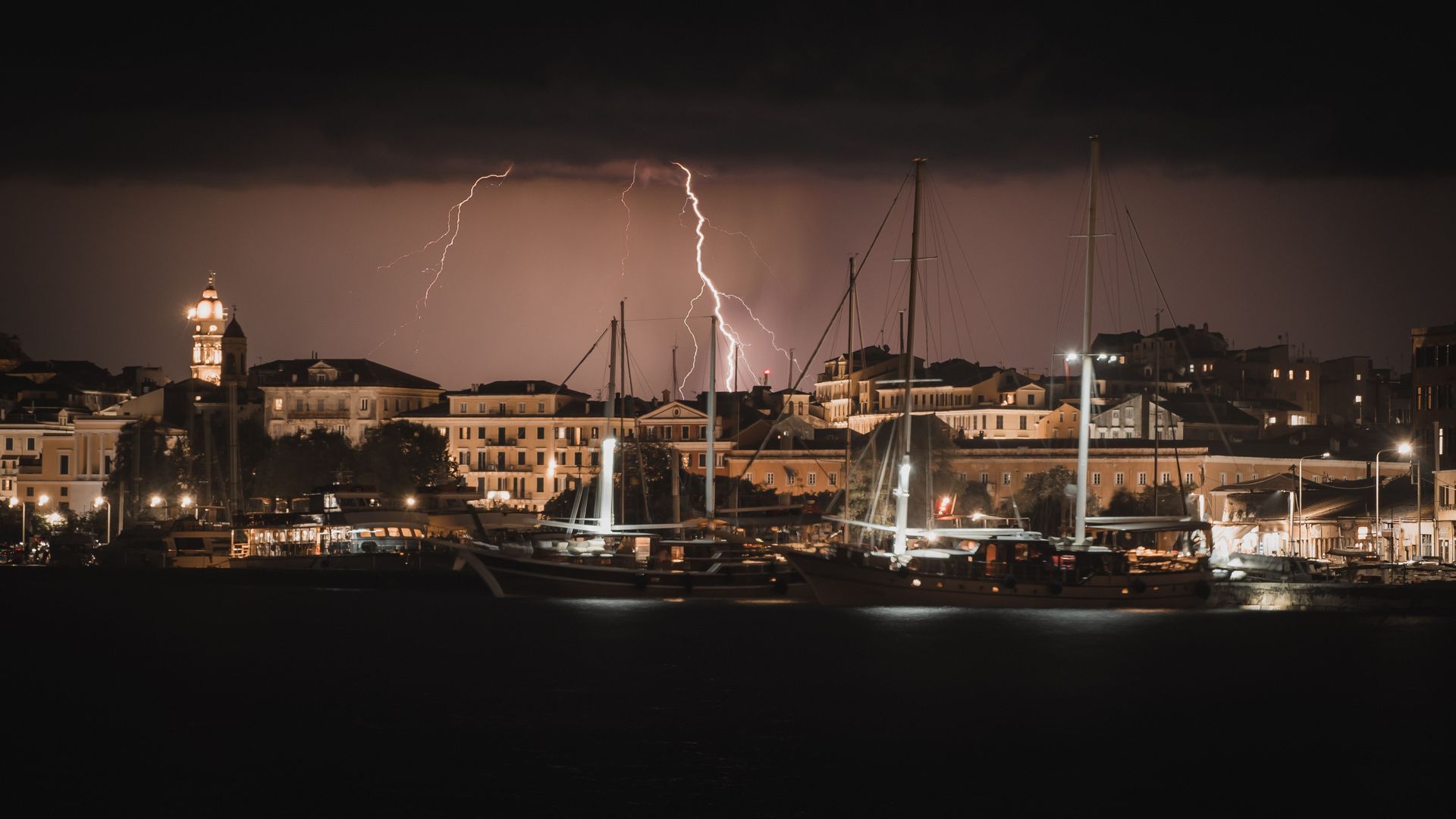
In South Florida, where Vaisala's National Lightning Detection Network data consistently shows Florida leading the nation in lightning density, that exposure is not theoretical. The Miami–Fort Lauderdale metro area was the most lightning-prone major U.S. metropolitan area in 2023. This guide explains what NEC Section 230.67 requires, how Type 1 and Type 2 SPDs differ, what whole-home surge protection does and does not protect against, and what installation typically costs in South Florida.
What NEC Section 230.67 Requires for Florida Homes
NEC 2020 introduced Section 230.67 as a new mandatory requirement for residential electrical services. The section states, simply, that all services supplying dwelling units shall be provided with a surge protective device. The 2020 NEC Section 230.67 requirements specify:
- The SPD must be an integral part of the service equipment or must be located immediately adjacent to it. The device belongs at the service entrance — not downstream at a subpanel or as a plug-in strip.
- The SPD must be a Type 1 or Type 2 device. Point-of-use surge strips (Type 3) do not satisfy this requirement.
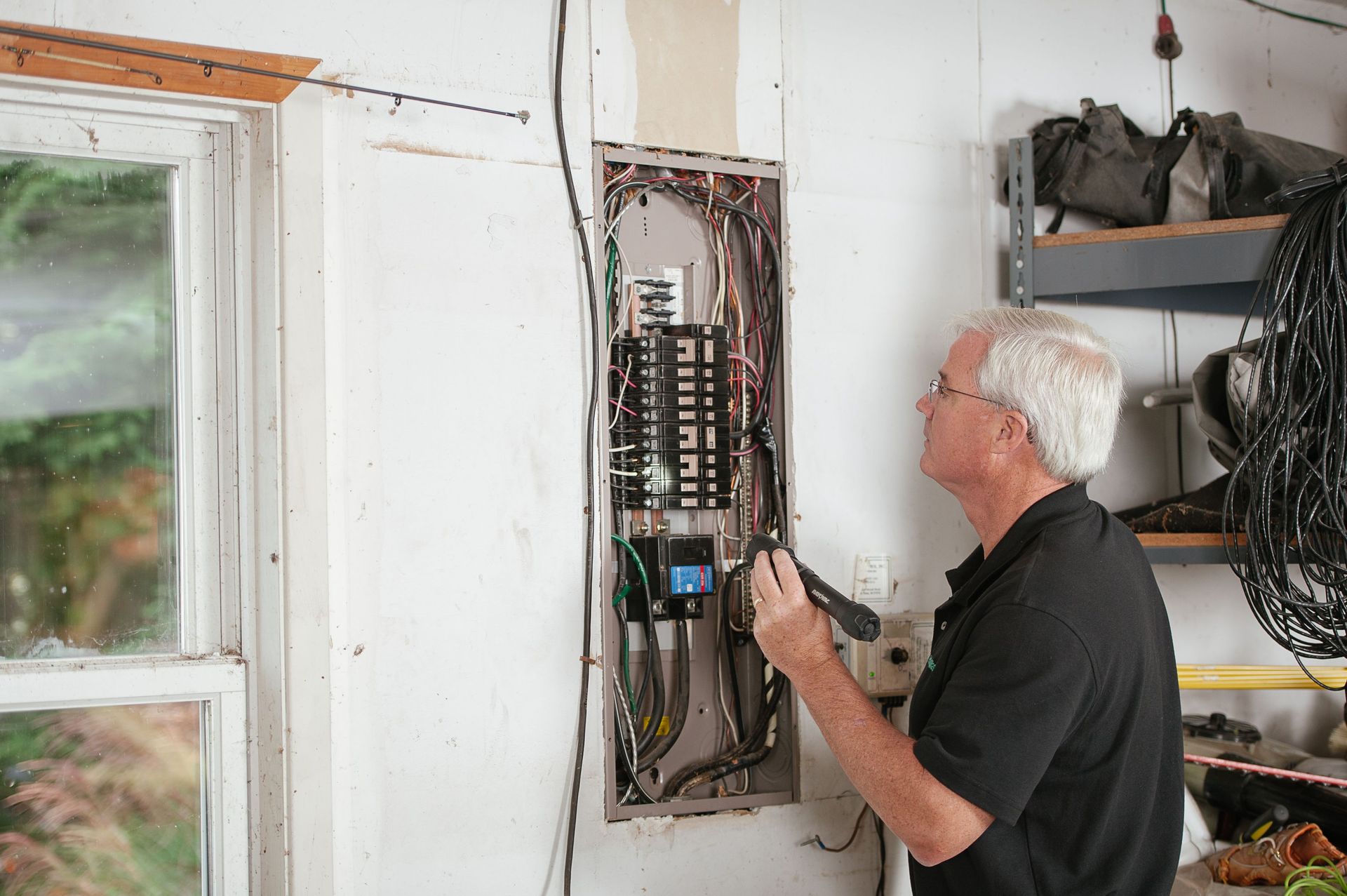
- The requirement applies to new construction AND to any service replacement. This means that when Trophy Electric performs an electrical panel upgrade, the new panel must include or be paired with an NEC 230.67-compliant SPD.
The 2023 NEC expanded Section 230.67 to clarify and extend the requirement beyond single-family dwelling units, adding dormitory units, hotel/motel guest rooms, and certain healthcare sleeping rooms. Florida currently operates under the 8th Edition Florida Building Code, which incorporates the 2020 NEC. When Florida adopts the next FBC edition incorporating the 2023 NEC, the expanded scope will apply statewide. You can confirm Florida's current code adoption status through the Florida Building Commission.
Type 1 vs Type 2 SPDs: What the Difference Means for Boca Raton Homeowners
The NEC recognizes several SPD types. For residential service entrance protection, Type 1 and Type 2 SPDs are the code-recognized options. The distinction matters for installation planning:
Type 1 SPDs
Type 1 SPDs are designed for installation on either the supply side or the load side of the service entrance main disconnect. Because they can be installed on the supply side, they can be in place even when the main breaker is open. Type 1 devices are tested for higher surge current levels (typically 25 kA per phase or higher) and are intended for permanent, hardwired connection. They require a licensed electrician for installation and typically cannot be replaced by the homeowner.
Type 2 SPDs
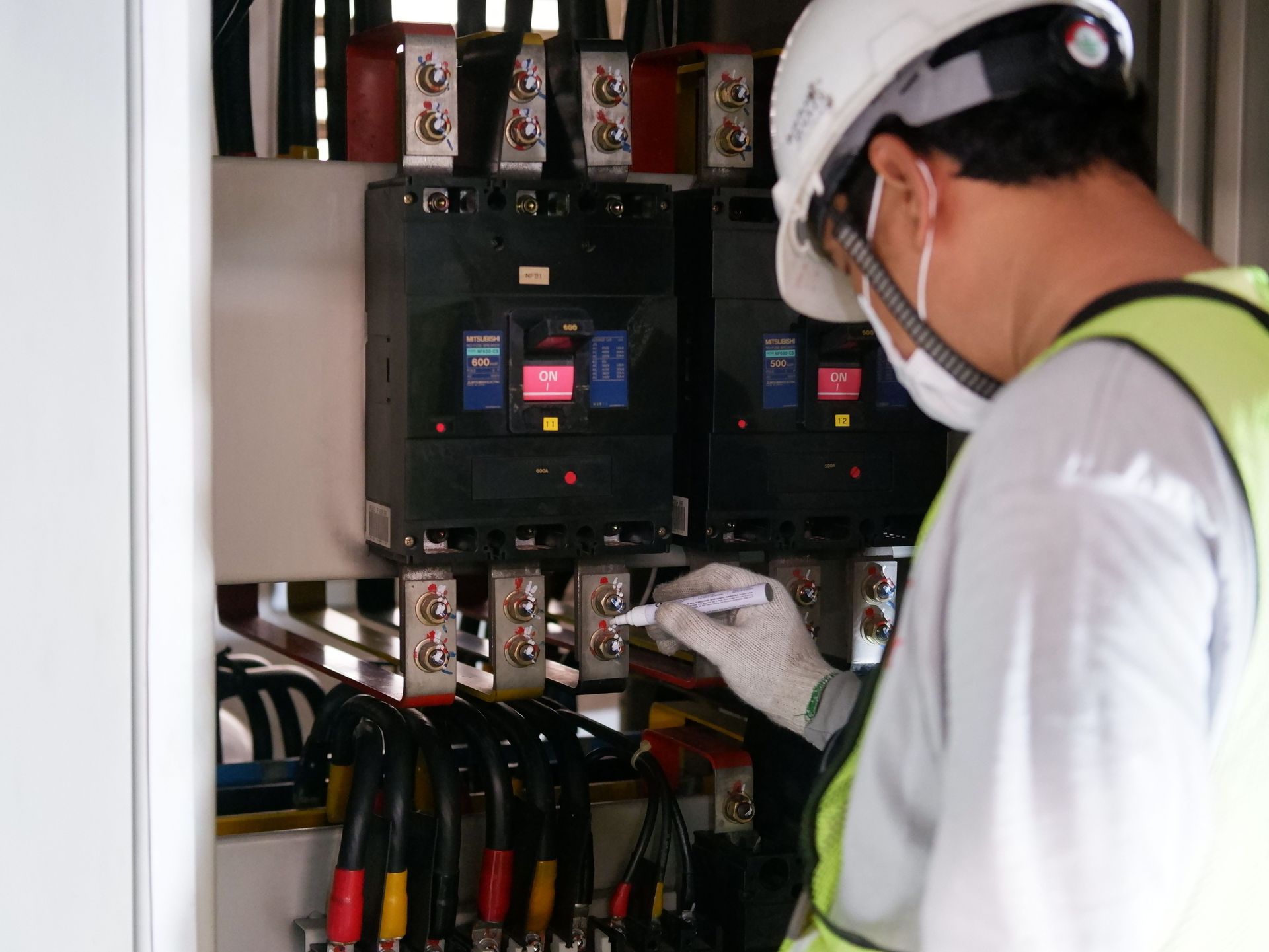
Type 2 SPDs are the most common type for residential service entrance applications. They are installed on the load side of the service disconnect — meaning inside or immediately adjacent to the main electrical panel. Type 2 devices are tested for surge current levels appropriate for the load side of a residential service (typically 20–50 kA per phase depending on the product). Most panel-mounted whole-home surge protectors sold for residential use are Type 2 devices. Like Type 1 devices, they require licensed electrician installation when mounted at the panel.
Type 3 SPDs (Point-of-Use)
Type 3 SPDs are the familiar plug-in surge protector strips and wall-outlet surge adapters. They are installed at the point of use — plugged into an outlet near the equipment being protected. Type 3 devices do not satisfy NEC 230.67's service entrance requirement, but they serve a complementary role. A Type 2 SPD at the service entrance handles the large transient events that enter from the utility; a Type 3 device at sensitive electronics handles smaller residual surges that originate within the home's own wiring. A layered approach — Type 2 at the panel plus Type 3 at critical electronics — provides the most comprehensive protection.
What Whole-Home Surge Protection Does and Does Not Protect Against
Understanding the limits of surge protection matters, particularly in South Florida where direct lightning strikes to structures are a real risk.
What SPDs Protect Against
- Lightning-induced transient voltage: When lightning strikes near utility lines or the earth near your home, it creates a voltage transient that can travel through the utility wiring into your service entrance. An SPD at the panel diverts this energy to ground before it reaches your circuits and equipment.
- Utility switching transients: Voltage transients occur when the utility switches capacitors, transformers, or other grid equipment. These events are smaller than lightning-induced surges but occur more frequently and accumulate damage to sensitive electronics over time.
- Motor start/stop transients: Large motors in HVAC systems, pool pumps, and refrigerators produce voltage spikes when they start and stop. These transients travel back through the panel and can affect other connected equipment.
- Grid restoration events: When utility power is restored after an outage, the re-energization of the grid can produce a transient. An SPD at the service entrance handles this as the first load event after restoration.
What SPDs Do Not Protect Against
A whole-home SPD cannot protect against a direct lightning strike to the structure, the electrical service entrance, or the utility lines directly serving the home. The energy from a direct strike exceeds the diversion capacity of any service entrance SPD — the SPD itself will sacrifice itself attempting to protect the panel, and the remaining energy may still damage connected equipment. Full structural lightning protection (per NFPA 780) is a separate system from electrical surge protection and involves lightning rods, conductor cable, and ground electrodes. For South Florida homes in particularly exposed locations, a consultation with a lightning protection specialist may be warranted in addition to whole-home surge protection.
Why Whole-Home Surge Protection Is Especially Important in South Florida
Florida's lightning exposure is not only a seasonal concern — it is a year-round electrical risk that is highest during the summer months of June through September, which align directly with the core of hurricane season. According to Vaisala Xweather's 2025 Annual Lightning Report, Florida recorded 305 lightning events per square mile in 2025 — the highest density of any state in the country.
The practical consequence for a home in Boca Raton, Delray Beach, Pompano Beach, or anywhere in South Florida: the home's electrical system is exposed to more transient voltage events per year than homes in almost any other region of the country. Smart home systems, HVAC electronics, EV chargers, and the AFCI and GFCI breakers that provide critical safety functions are all sensitive to cumulative transient damage. A whole-home SPD is the primary defense against that damage accumulating over years of normal Florida electrical exposure.
Typical Cost of Whole-Home Surge Protection Installation in South Florida
Whole-home surge protection installation in Boca Raton and South Florida typically involves the cost of the SPD device itself plus the labor to install and connect it at the service entrance panel. The following general ranges reflect typical residential projects — they are not price guarantees, as individual homes vary based on panel access, available space, and whether any panel work is needed to accommodate the device.
- Type 2 panel-mounted SPD installation: Most Type 2 whole-home surge protectors designed for residential service entrance use cost between $80 and $300 for the device, with installation labor in the range of one to two hours for a standard residential panel. Total installed cost typically ranges from $200 to $600 depending on the device selected and panel configuration.
- Type 1 SPD installation: Type 1 devices are generally priced higher than Type 2 and require more involved installation. Total installed costs for Type 1 service entrance SPDs typically start around $400 and can run higher for high-capacity devices.
- Combined panel upgrade with SPD: When a panel upgrade is performed, adding the required NEC 230.67-compliant SPD is generally a modest incremental cost to the overall panel project.
For an accurate estimate on your specific home, contact Trophy Electric for a free residential electrical assessment. We provide transparent, detailed estimates before any work begins.
SPD Installation by Trophy Electric in Boca Raton and South Florida
Trophy Electric installs whole-home surge protection as a standalone service and as part of panel upgrades throughout Boca Raton, Delray Beach, Pompano Beach, and surrounding Palm Beach and Broward County communities. Our residential electrical contractor services include SPD device selection, permit acquisition where required, installation at the service entrance, and verification that the installation meets NEC 230.67 requirements.
If you are preparing your home for hurricane season and have not yet installed whole-home surge protection, or if your home recently had a panel replacement without an SPD being added, contact Trophy Electric for a free panel assessment.
Call 954-995-9375 or visit our contact page to get a surge protection quote.
Recent Posts