


Automatic Tank Gauging Systems in Florida: The Electrical Side of UST Leak Detection Compliance

Trophy Electric LLC • August 20, 2026

Share this article

Most gas station and marina owners think of automatic tank gauging as an environmental compliance chore — something the fuel supplier or the testing company handles once a year. But the probe sitting inside your underground storage tank, the sensor wiring running through the hazardous-location conduit, and the alarm panel in your back office are all electrical work, governed by electrical code, and installed wrong more often than owners realize. Trophy Electric LLC has spent 65+ years of combined family experience wiring exactly this equipment at South Florida gas stations, marinas, and car washes, and we regularly get called in after an ATG system fails an inspection because the wiring not the gauge itself wasn't done to hazardous-location standards. Here's what the automatic tank gauging (ATG) rules actually require, where the electrical work fits in, and what a Florida inspector checks when they show up at your site.

1. What an Automatic Tank Gauging System Actually Monitors

An ATG system uses a probe permanently installed through an opening in the top of the underground storage tank (UST) not the fill pipe connected to a monitor that tracks product level and temperature. Each tank on site needs its own probe. In inventory mode, the system replaces the old gauge-stick-and-clipboard method of tracking deliveries and sales. In leak detection mode, the tank is taken out of service and the system measures product level and temperature for at least an hour to check for a leak, per the EPA's technical guidance on underground storage tank release detection methods.

Most systems are also wired with alarms for high product level, low product level, high water level, and theft all of which run back through the same monitor and, ultimately, the same electrical infrastructure that has to survive sitting a few feet from a fuel dispenser.

2. The Federal Floor: EPA's Leak Detection Performance Standard

The EPA doesn't just require an ATG system it sets a performance bar. Under the federal underground storage tank rules, an ATG system must be able to detect a leak no larger than 0.2 gallons per hour, with defined probabilities of detection and false alarm. Since October 13, 2018, EPA has also required an annual functionality test on all release detection equipment: verifying the system configuration, testing alarm operability and battery backup, inspecting probes and sensors for residual buildup, and confirming floats and cables aren't damaged. Records of that annual test have to be kept for three years.

That October 2018 rule is the one most owners don't know about until an inspector asks for the paperwork a working gauge isn't enough; you need the annual test record to prove it. It's a similar pattern to how Florida's gas station generator law layers state-specific paperwork and equipment requirements on top of a federal baseline.

3. Florida Adds Its Own Layer on Top of the Federal Rule

Florida doesn't just adopt the federal UST rule the Florida Department of Environmental Protection (FDEP) regulates underground storage tank systems over 110 gallons under Rule 62-761, Florida Administrative Code, and aboveground storage tanks over 550 gallons under Rule 62-762, F.A.C. FDEP or the county compliance program (Palm Beach, Broward, and Miami-Dade each have their own contracted inspectors under FDEP's Southeast District) conducts periodic compliance inspections of these storage tank facilities, and ATG equipment used in Florida has to appear on FDEP's Storage Tank System Equipment Registration list — the state maintains an approved-equipment list by manufacturer, model, and maximum tank capacity.

For gas station and fuel facility owners across Palm Beach, Broward, and Miami-Dade Counties, that means the ATG system isn't just an EPA checkbox it's a state-registered piece of equipment that has to match what's on file with FDEP.

4. The Electrical Side Most Owners Don't See: Probes, Sensors, and Hazardous-Location Wiring

Here's where the compliance paperwork meets our trade. The area immediately around a UST fill point, vent, and dispenser is classified as a Class I hazardous location under NEC Article 514 meaning ignitable vapor-air mixtures can be present under normal operating conditions. Any conduit, seal, or junction box carrying wiring for the ATG probe or sensors through that zone has to be installed to Class I Division 1 or Division 2 wiring methods, not standard commercial wiring.

Most ATG probe and sensor circuits are run as intrinsically safe (IS) circuits under NEC Article 504 — engineered so the circuit can't release enough electrical or thermal energy, even under a fault, to ignite fuel vapor. That requires listed IS barriers, correctly separated wiring, and grounding done to spec — not a standard low-voltage hookup run through the same conduit as everything else on site. We've seen ATG systems that measure and alarm correctly on the bench fail an inspection because the field wiring to the probe wasn't installed as a certified intrinsically safe circuit.

This is the same Class I Division 1 and Division 2 classification work we do across every fuel-handling site we wire, and it overlaps directly with the NEC Article 514 requirements for fuel dispenser wiring at the same sites.

Neon-lit gas station at night with red signs and teal glow

5. The Annual Test Every ATG System Has Needed Since 2018

Since the EPA's October 13, 2018 deadline, every ATG system's annual functionality test has to cover: system configuration verification, alarm operability and battery backup testing, probe and sensor inspection for residual buildup, and confirmation that floats, shafts, and cables aren't damaged. The test has to follow the manufacturer's requirements, a nationally recognized code of practice, or an equivalent standard set by the implementing agency — and the records have to be kept for three years.

That's a testing-company responsibility for the sensor calibration itself, but the physical inspection often turns up wiring and conduit issues corroded seals, damaged cable jackets, a junction box that was never properly sealed that are electrical repairs, not testing-company work.

6. What a Florida Storage Tank Inspection Actually Checks

FDEP's own inspection guidance for petroleum storage tank facilities walks inspectors through the ATG system specifically: verifying the monitor is functioning, checking that alarms and interstitial or sensor monitoring devices aren't showing an unresolved alarm status, and reviewing the facility's release detection records. An electronic interstitial monitor "in alarm" status, a sensor that isn't communicating with the controller, or missing annual test records are common findings that stop a facility from passing.

None of that is exotic — it's the same discipline we bring to every gas station electrical code compliance project: get the wiring right the first time so the equipment reads clean on inspection day.

7. Who's on the Hook: Facility Owner, Testing Company, or Electrical Contractor

In practice, ATG compliance splits across three parties. The facility owner is responsible to FDEP for keeping the system registered, tested annually, and the records on file. A certified testing company typically performs the annual functionality and calibration test itself. A licensed electrical contractor is responsible for the physical installation and repair of probe wiring, conduit, seals, and the intrinsically safe circuit — the part of the system that has to hold up in a Class I hazardous location for years between inspections.

We also do this work at marina fuel docks, where the same UST and ATG rules apply to the tanks feeding the fuel pumps, and on new commercial fuel facility builds across Florida, where ATG wiring gets designed in from the start rather than retrofitted. If your last inspection flagged a wiring or sensor issue — not a testing-company issue — that's exactly the gap our team closes.

FAQ: Automatic Tank Gauging Electrical Requirements in Florida

  • Does every Florida gas station need an automatic tank gauging system?

    Not necessarily ATG specifically — EPA and FDEP allow several release detection methods, including statistical inventory reconciliation and interstitial monitoring. But ATG is the most common choice for USTs installed before April 11, 2016, and any UST installed or replaced after that date must use secondary containment with interstitial monitoring instead of ATG as the sole method

  • How often does an ATG system need to be tested?

    The release detection function runs monthly. Separately, EPA has required an annual functionality test of the equipment itself configuration, alarms, battery backup, probes, and sensors since October 13, 2018, with records kept three years. 

  • Why does ATG probe wiring need a licensed hazardous-location electrician instead of a general electrician?

    The area around a UST and its dispensers is a Class I hazardous location under NEC Article 514, and most ATG probe circuits are wired as intrinsically safe systems under NEC Article 504. Installing those circuits incorrectly can cause a system to fail inspection or create an actual ignition risk even if the gauge itself works. 

  • Does Trophy Electric handle ATG wiring at marinas, not just gas stations?

    Yes. The same UST rules and hazardous-location wiring requirements apply to fuel docks at Florida marinas, and it's part of our regular scope alongside shore power and dock electrical work. 

Get Your ATG Electrical System Inspection-Ready

If your fuel station or marina fuel dock has an ATG alarm, a failed sensor, or wiring you're not confident will pass the next FDEP inspection, contact Trophy Electric LLC for a free consultation. We're a family-owned, licensed master electrical contractor built on three generations of experience, specializing in petroleum and marina hazardous-location work throughout South Florida. Call (954) 995-9375 to get your tank gauging system's electrical side inspection-ready before your next visit from FDEP.

Recent Posts

Lightning strike over a South Florida marina at dusk with boats docked along the pier
By Trophy Electric LLC • September 17, 2026
Lightning protection systems for South Florida marinas and fuel facilities go beyond code-required surge protection — NFPA 780 governs tank bonding, mast grounding, and UL 96A-listed installations. Trophy Electric LLC, 65+ years of combined family electrical expertise in Palm Beach, Broward, and Miami-Dade, breaks down what the standard actually requires and when a licensed contractor is essential. Free consultation: (954) 995-9375.
By Trophy Electric LLC • September 3, 2026
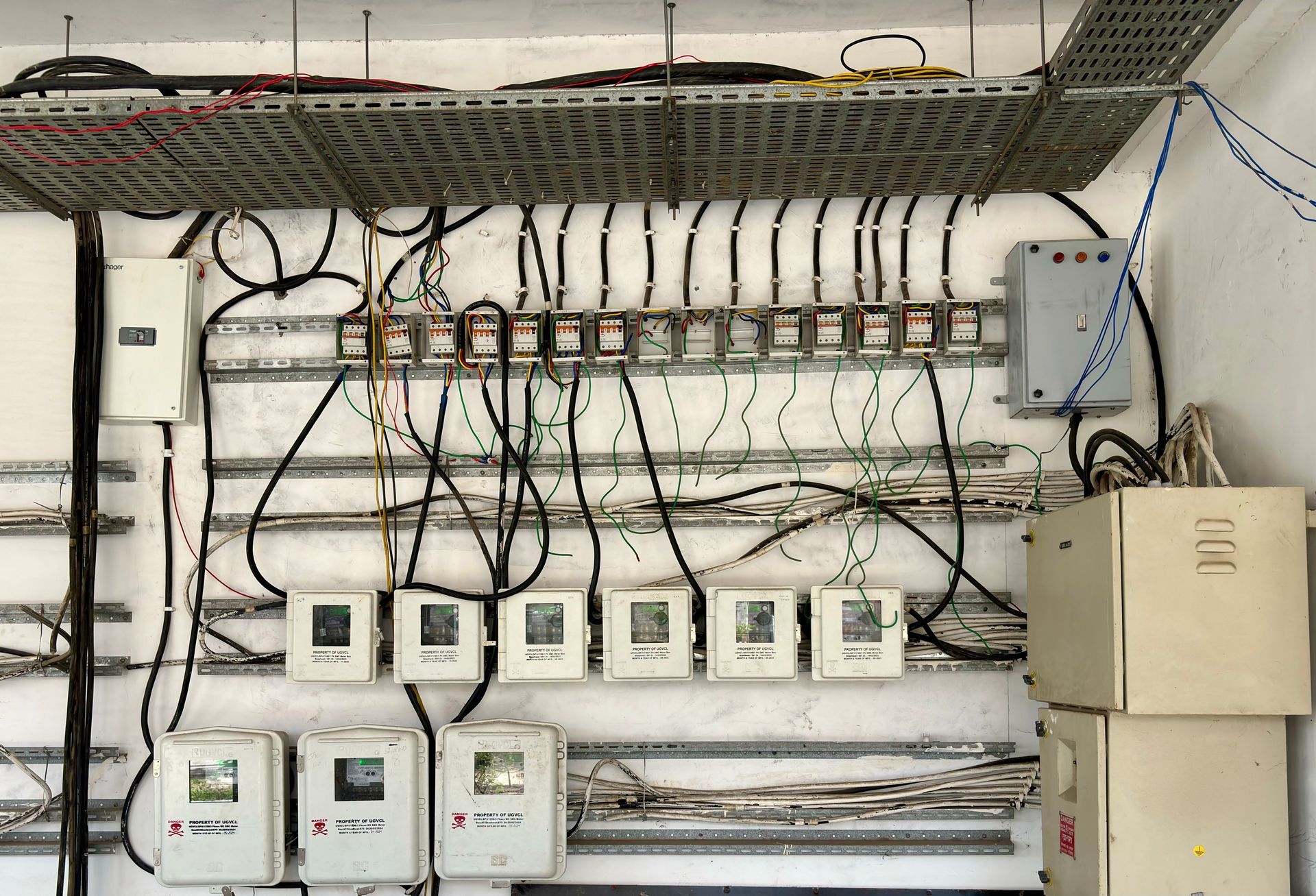
Electrical panel upgrade cost in South Florida runs $1,800–$4,500 for a standard 200-amp job in 2026, and Broward County requires a permit for every one. Trophy Electric LLC, 65+ years of combined family electrical expertise, breaks down real local pricing, what pushes it above the national average, and the permit and FPL steps most estimates skip. Free consultation: (954) 995-9375.
EV charging station installed at a Florida gas station under 2026 NEC hazardous location rules
By Trophy Electric LLC • August 27, 2026
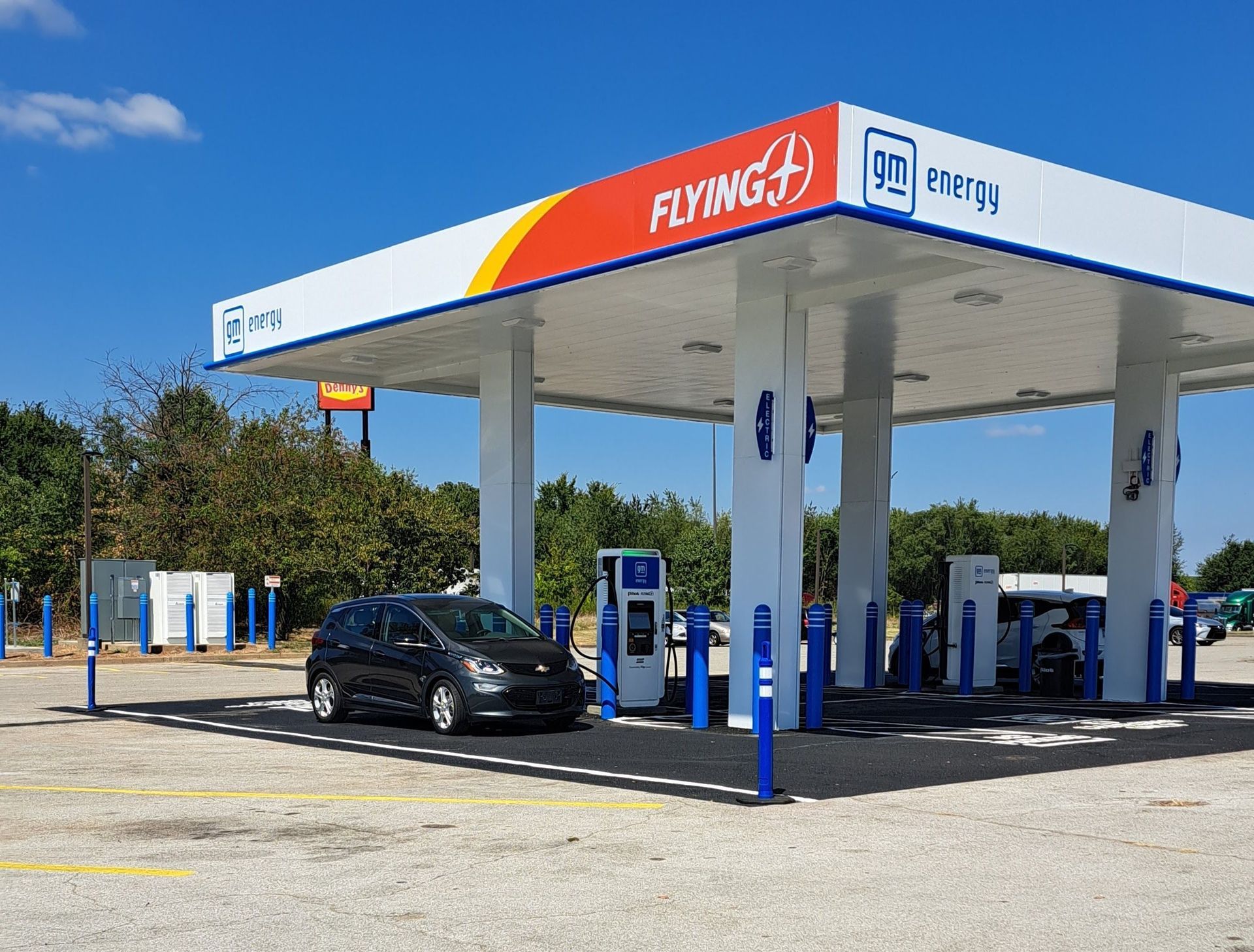
EV charging equipment at Florida gas stations and marinas now falls under the 2026 NEC's new qualified-installer, field-marking, and disconnect rules — layered on top of NEC 514's hazardous location requirements for fueling facilities. Trophy Electric LLC, South Florida's petroleum and marina electrical specialists with 65+ years of combined family expertise, breaks down what changed and where EV chargers can safely go. Call (954) 995-9375 for a free consultation.

By Trophy Electric LLC • August 17, 2026
The 2026 NEC revised Section 514.11(A) — emergency shutoff rules for fuel dispensers — to fix a rule that broke down at large fueling sites. Trophy Electric LLC, South Florida's petroleum and marina electrical specialists with 65+ years of combined family expertise, breaks down what changed and whether it's Florida law yet. Call (954) 995-9375 for a free consultation.

Florida gas station fuel canopy at dusk, subject to the state's emergency generator law
By Trophy Electric LLC • August 13, 2026
Florida's gas station generator law (Fla. Stat. § 526.143) requires transfer switches and backup power at qualifying fuel stations near evacuation routes — and violations are criminal misdemeanors. Trophy Electric LLC, licensed master electricians serving Palm Beach, Broward, and Miami-Dade Counties, breaks down who's covered, the 2025 grant program that can offset your costs, and how to get compliant. Call (954) 995-9375 for a free consultation.
Illuminated emergency exit sign above a door in a South Florida commercial office corridor
By Trophy Electric LLC • August 10, 2026
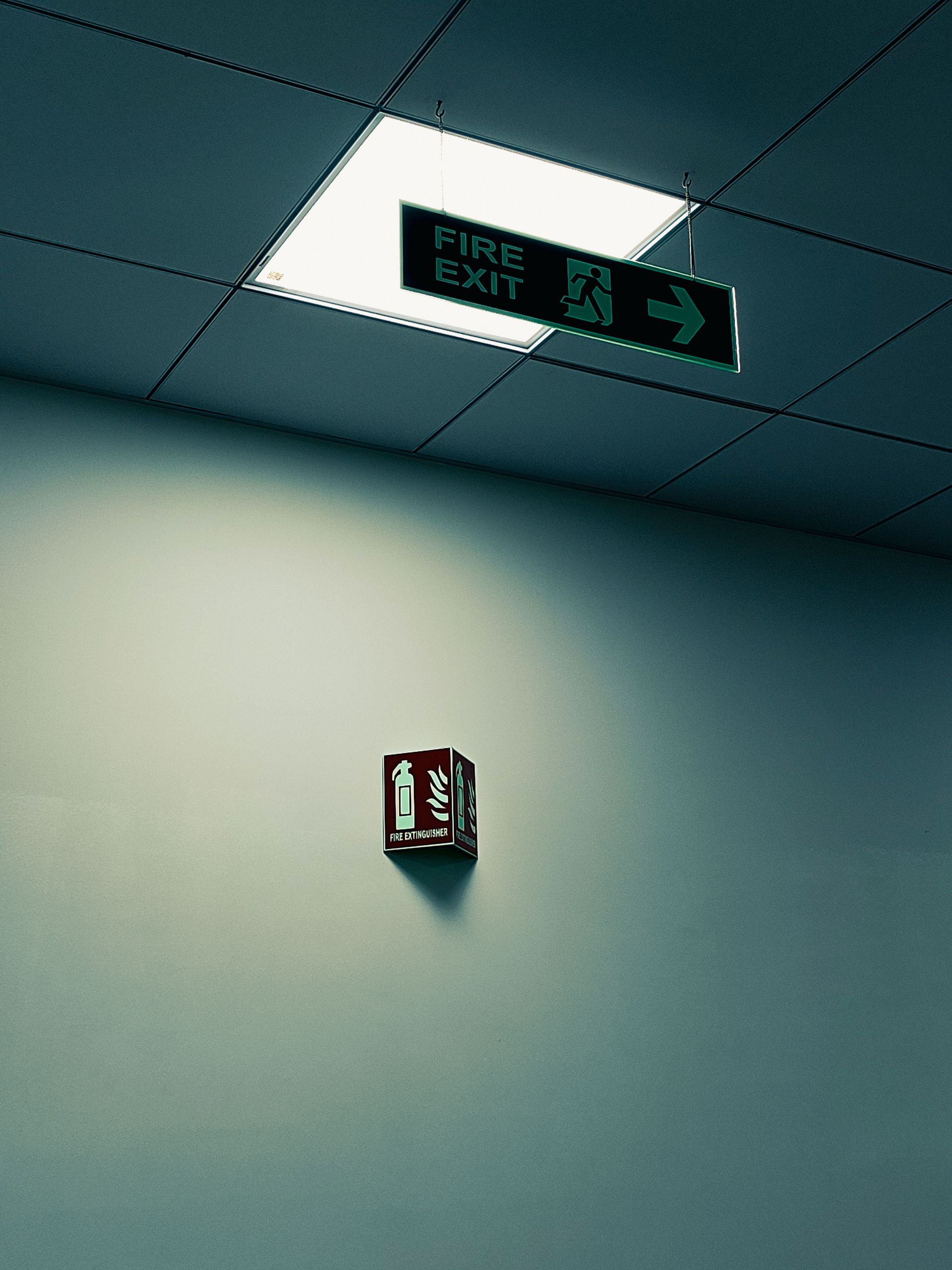
Emergency lighting and exit sign requirements for Florida commercial buildings fall under NFPA 101 — non-compliance can mean fines up to $15,000 per day under Florida Statute Chapter 162. Trophy Electric LLC, licensed master electricians serving Palm Beach, Broward, and Miami-Dade Counties, breaks down the illumination standards, the testing calendar, and who's responsible. Call (954) 995-9375 for a free consultation.
By Trophy Electric LLC • August 7, 2026
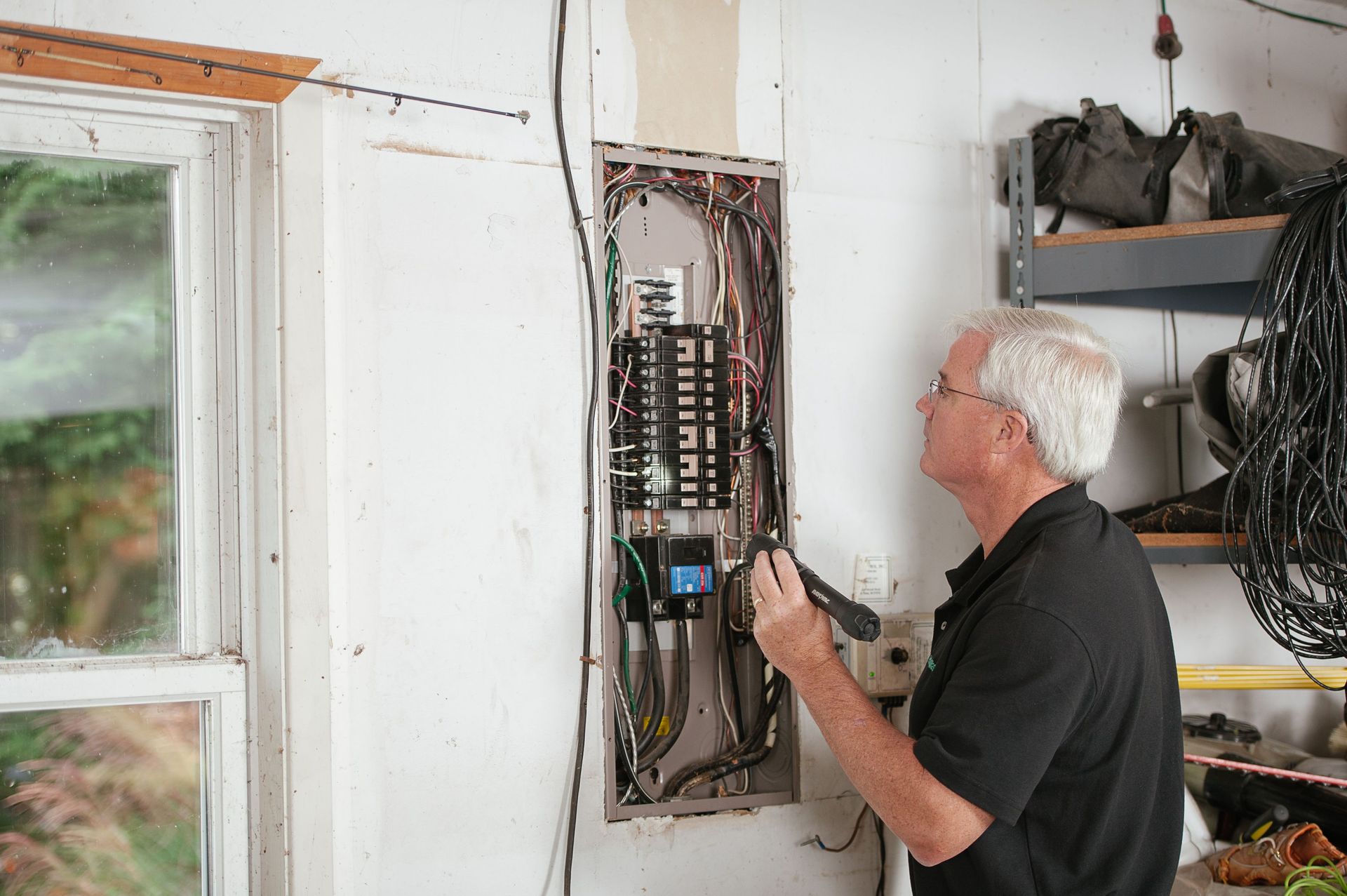
Electrical code violations in South Florida can void your homeowners insurance, derail a property sale, and trigger daily fines up to $15,000. Trophy Electric LLC — licensed master electricians in Boca Raton with 65+ years of combined expertise — explains the 6 most common violations in Palm Beach and Broward County homes and exactly what it takes to fix them. Call (954) 995-9375.
By Trophy Electric LLC • August 4, 2026
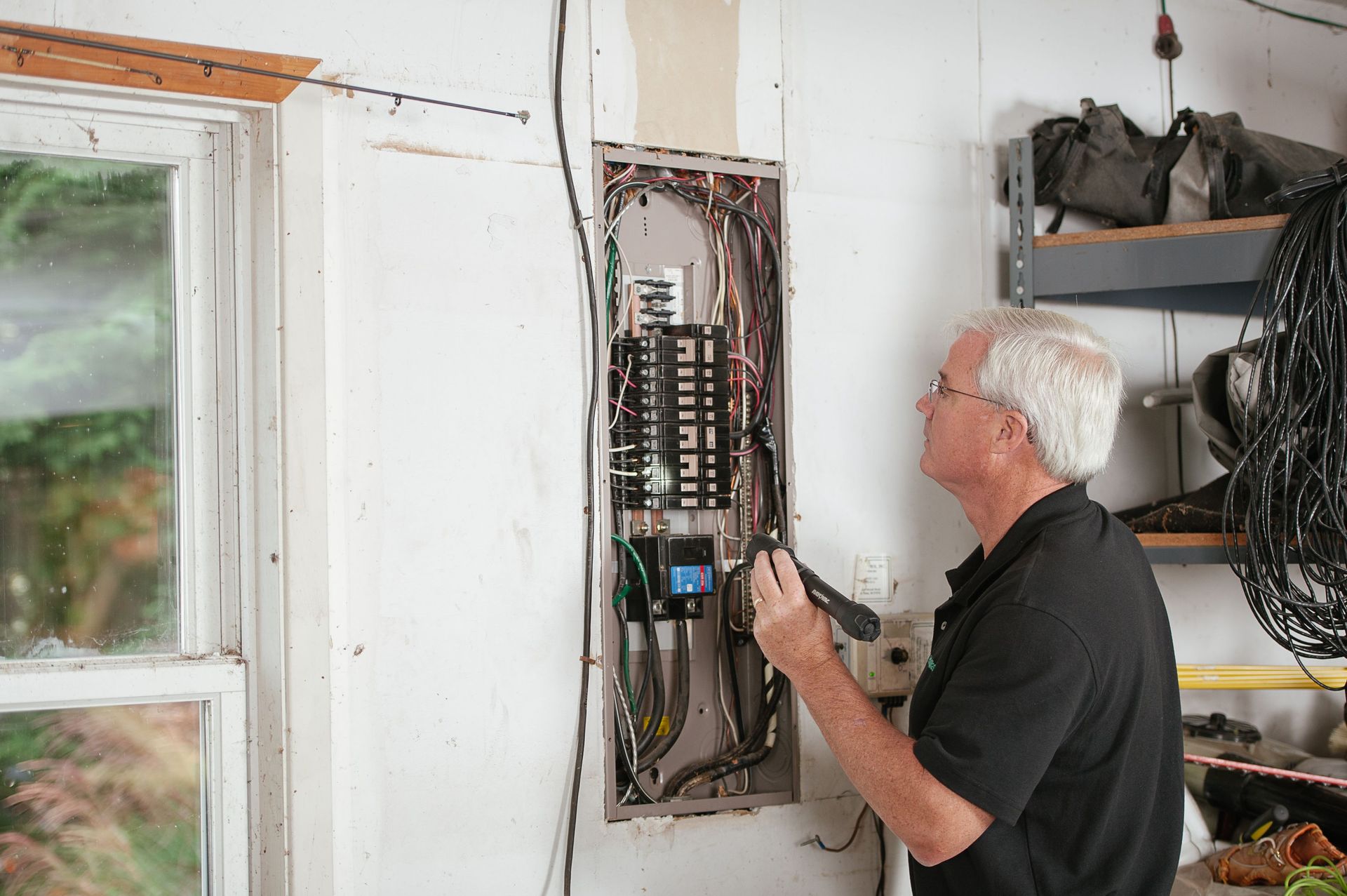
Your 4-point inspection flagged aluminum wiring — and Florida insurers won't cover it unmodified. Trophy Electric LLC, licensed master electricians in Boca Raton with 65+ years of combined expertise, explains the CPSC fire risk data, Florida carrier positions, and all three remediation options. Call (954) 995-9375.
By Trophy Electric LLC • July 30, 2026
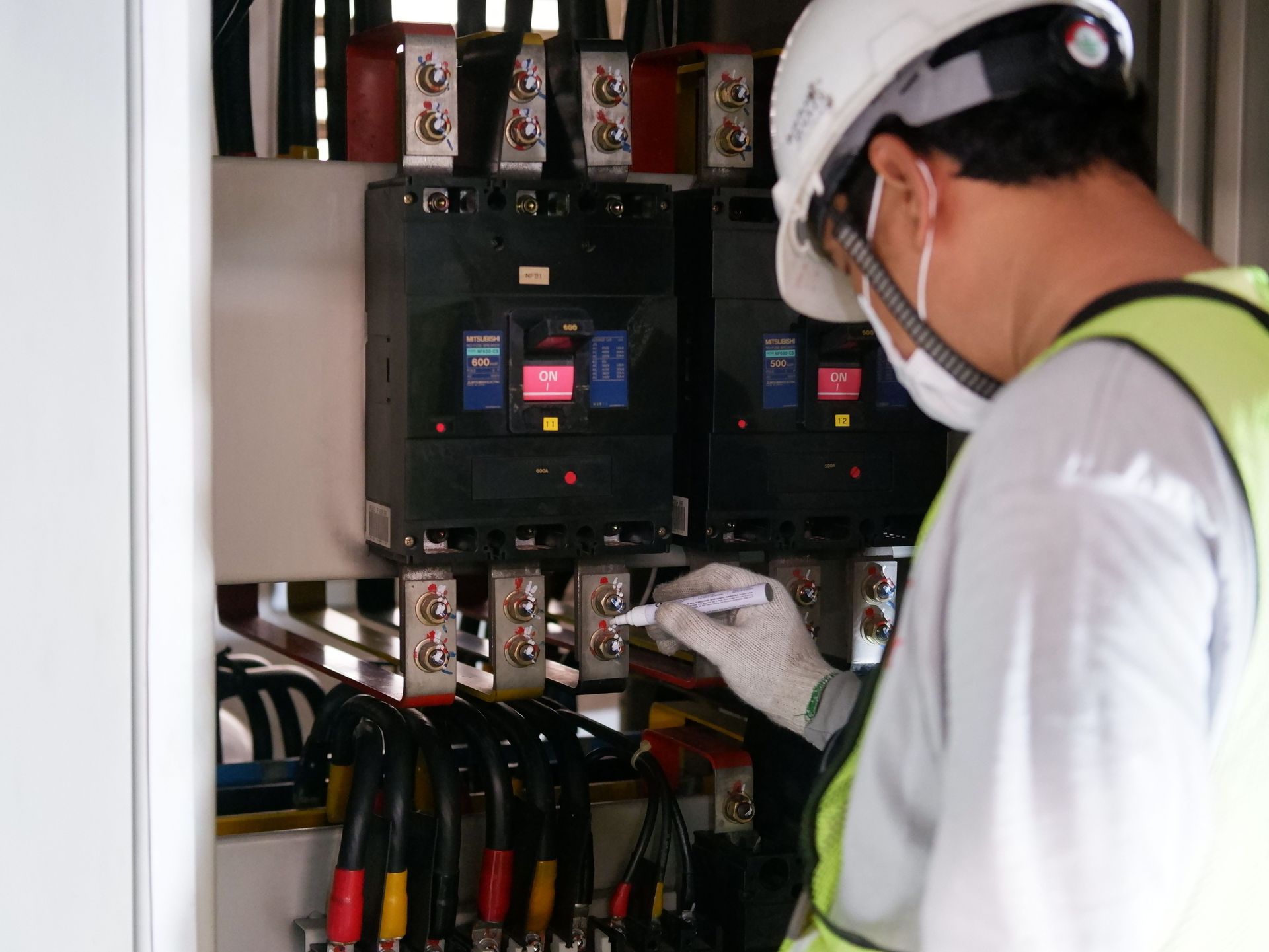
A 4-point electrical inspection in South Florida can make or break your homeowners insurance application. Trophy Electric LLC — licensed master electricians in Boca Raton with 65+ years of combined expertise — explains what inspectors check, the five most common failures in Palm Beach and Broward County homes, and how to prepare. Call (954) 995-9375.
By Trophy Electric LLC • July 23, 2026
Standby generator installation in South Florida requires a licensed master electrician for transfer switch wiring, load calculations, and permit coordination across Palm Beach and Broward County. Trophy Electric LLC — 65+ years of combined electrical expertise in Boca Raton — explains the full 2026 process, cost ranges, and what only a licensed electrician can legally do.
Show More