2026 NEC Fuel Dispenser Emergency Disconnect Rule: What South Florida Gas Stations & Marinas Must Know

Trophy Electric LLC • August 17, 2026

Share this article

The 2026 National Electrical Code just rewrote the rulebook on emergency shutoffs for fuel dispensers and the change goes straight to a problem Trophy Electric sees on nearly every large-scale petroleum project: fueling layouts that don't fit the old code's rigid geometry. Truck depots, marina fuel docks, and multi-island gas stations often can't put a shutoff device exactly 20 to 100 feet from every dispenser, and inspectors have been inconsistent about what that meant in practice.

Here's what actually changed in NEC Section 514.11(A), whether it's Florida law yet, and what South Florida gas station electrical contractor and marina electrical contractor clients should be planning for now.

What the 2026 NEC Changed in Section 514.11(A)

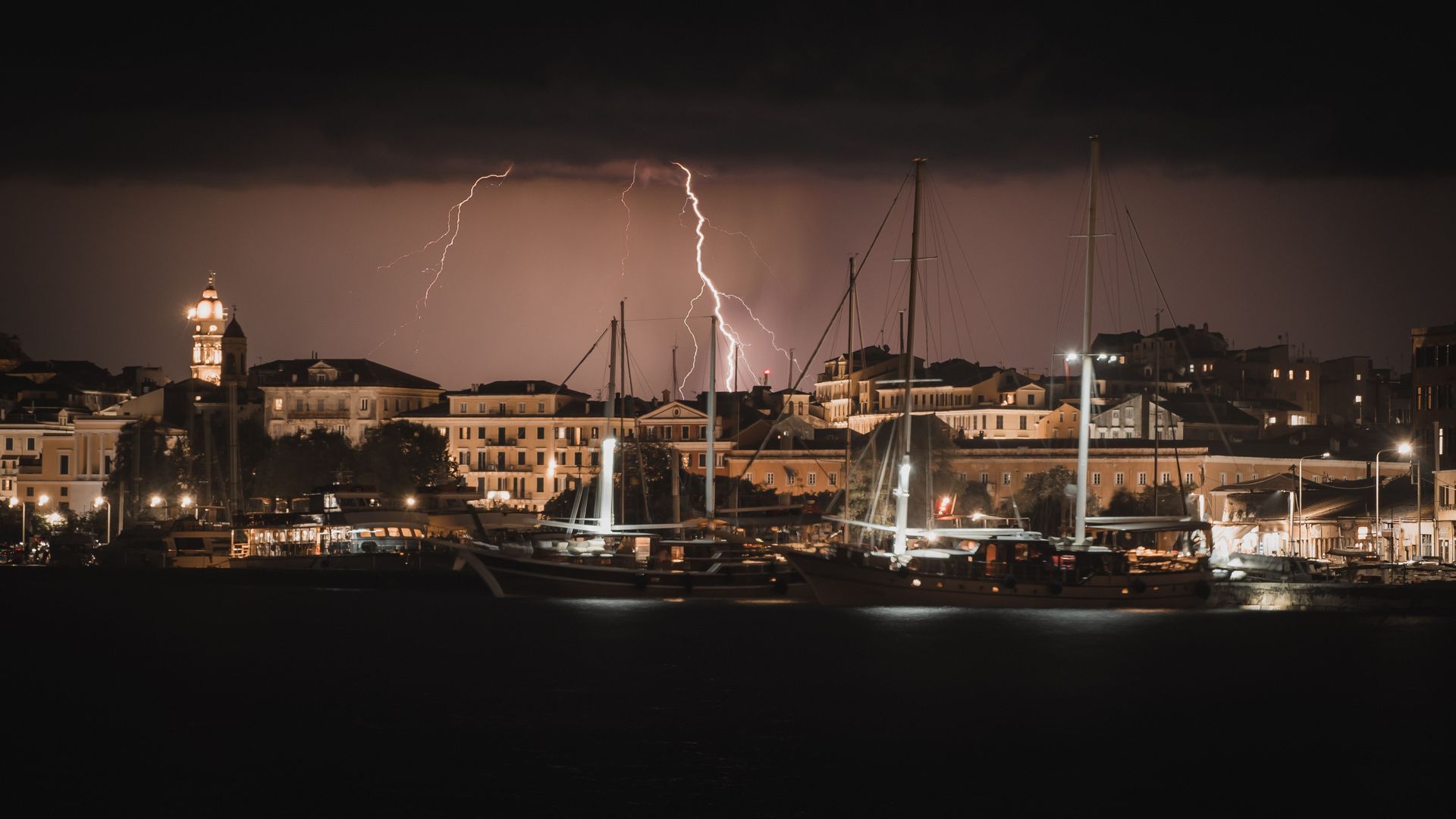
Since the 2023 edition, the NEC has required every fuel dispensing system to have one or more clearly identified emergency shutoff devices, installed not less than 20 feet and not more than 100 feet from the dispensers they serve. That single window worked fine for a standard four-island gas station. It broke down at truck and bus depots, and at marina fuel docks like the ones Trophy Electric has built at Pier 66 and Island Gardens, where dispensers can sit hundreds of feet from the nearest building or control point.

The 2026 NEC revision, developed to better align with NFPA 30A, keeps the original 20-to-100-foot requirement for at least one shutoff device per dispenser, but now explicitly permits additional shutoff devices or electrical disconnects to be located closer than 20 feet or farther than 100 feet from an individual dispenser as long as at least one device still meets the primary window. That single sentence resolves a real-world enforcement problem: some authorities having jurisdiction were rejecting any shutoff within 20 feet of a dispenser, even when that device was the primary disconnect for a different dispenser 30 feet away. Under the 2026 language, canopy columns and other practical mounting points at large fueling layouts are now unambiguously code-compliant.

What Now Has to De-Energize When the Emergency Shutoff Trips

The second half of the revision is arguably more consequential for how these systems get wired. The 2026 code clarifies exactly what an emergency shutoff device or electrical disconnect must kill power to:

  • All dispensing devices not supplied by intrinsically safe circuits
  • All remote pumps serving those dispensers
  • All associated power, control, and signal circuits
  • All other electrical equipment within the hazardous (classified) locations
  • New in 2026: electrical receptacles located over or adjacent to the hazardous area

That last item closes a real gap. A receptacle just outside the classified boundary can still power a portable tool, a phone charger, or shop equipment via an extension cord run into the hazardous area, introducing a potential ignition source that the emergency shutoff previously had no obligation to isolate. Intrinsically safe circuits and equipment remain specifically exempt, since they're designed to never carry enough energy to ignite vapors in the first place. If you want the deeper mechanics of how classified areas are defined in the first place, our guide to hazardous location electrical classifications covers Class I, Division 1 versus Division 2 in detail.

Is This Already Florida Law? Not Yet — Here's the Timeline

This is the part that trips people up. The 2026 NEC (NFPA 70) was published April 16, 2026, but publication and state adoption are two different clocks. Florida doesn't enforce the NEC directly — it adopts a specific NEC edition into the Florida Building Code's electrical volume, on a roughly three-year cycle timed to the NEC's own publication schedule.

Right now, Florida is still on the 2020 NEC , adopted through the Florida Building Code, 8th Edition (2023) — confirmed on Tampa's own adopted-codes list. Florida's electrical code has followed this lag pattern for at least the last two cycles: the 7th Edition FBC (2020) adopted the 2017 NEC, and the 8th Edition (2023) moved the state to the 2020 NEC. The 9th Edition FBC is on track to take effect December 31, 2026. Following that same pattern, the 9th Edition is expected to bring Florida to the 2023 NEC — not the 2026 edition. That would put the Section 514.11(A) changes discussed here a full code cycle away from becoming Florida law, likely with the 10th Edition FBC around 2029.

That gap matters, but it isn't a reason to ignore the change. Model codes and insurance underwriters often move faster than state adoption cycles, and any AHJ can choose to reference the current NEC as a design standard even before it's formally adopted. For new construction and major retrofits at fuel facilities, we're already designing shutoff layouts to the 2026 logic where it doesn't conflict with the 2020 code Florida currently enforces.

What This Means for Gas Station and Marina Fuel System Owners Right Now

If you own or operate a fueling facility in South Florida, three things are worth acting on before this becomes mandatory:

Large or multi-island layouts should get a shutoff placement review. If your site has dispensers spread across a wide canopy, a truck fueling lane, or a marina dock system, the 2026 logic gives you (and future inspectors) a clearer, more defensible way to place additional disconnects at practical mounting points — without waiting for a citation under the current rule's stricter reading.

Audit receptacles near your classified areas. Even under the 2020 NEC that Florida enforces today, a receptacle feeding an extension cord into a hazardous location is a documented ignition risk. Fixing that exposure now — rather than waiting for the 2026 requirement to become mandatory — is a straightforward, low-cost step a licensed electrician can assess in a single site visit.

New construction should be designed to the newer standard. Anything built or majorly rewired today will likely still be in service when Florida's 9th Edition Building Code takes effect. Designing shutoff and receptacle isolation to the 2026 logic now avoids a retrofit in a few years. This is the same reasoning behind our recent look at Florida's gas station electrical code compliance requirements under NEC Article 514 and FDACS petroleum rules — the code only gets stricter over time, and building ahead of the curve is cheaper than building twice.

Marina Fuel Docks Face the Same Problem, With Higher Stakes

Everything above applies just as directly to marina fuel systems. A marina fuel dock often has dispensers spaced along a long pier, well outside the reach of a single shutoff device placed near the fuel building — the exact scenario the 2026 revision was written to address. Marinas also carry the added complexity of shore power infrastructure operating in close proximity to fuel handling areas, which is why NEC Article 555 marina electrical code requirements and fuel dispenser rules under Article 514 have to be coordinated, not treated as separate systems. If your facility has gone through — or is due for — shore power pedestal upgrades to meet the 2026 ground-fault protection leakage current rule, that's also the right moment to review dispenser shutoff placement and receptacle isolation at the same dock.

How Trophy Electric Approaches Fuel System Electrical Design

Trophy Electric is a third-generation, family-owned electrical contractor with 65+ years of combined experience concentrated in the petroleum and marine industries — work most South Florida electricians won't take on. Our portfolio includes fuel and marina electrical systems at Pier 66 Marina in Fort Lauderdale and Island Gardens in Miami, along with fuel dispenser and car wash installations throughout Palm Beach and Broward Counties, including car wash electrical systems for operators like El Car Wash.

Our goal has never been to build something that just passes inspection — it's to build something that stands up over the full life of the code cycle, not just the one it was permitted under. That's the standard we bring to fuel dispenser electrical installation work today, and it's why we track code changes like this one well before they become mandatory in Florida. If you're evaluating a contractor for hazardous location work, our guide on how to choose a hazardous location electrical contractor covers the licensing and certification questions worth asking before you sign a contract — and every project still has to clear Florida's electrical permitting process regardless of which code edition applies.

Frequently Asked Questions

  • Does the 2026 NEC emergency disconnect rule apply to my Florida gas station today?

    Not yet. Florida currently enforces the 2020 NEC through the Florida Building Code, 8th Edition. The state is expected to move to the 2023 NEC when the 9th Edition takes effect December 31, 2026 the 2026 NEC provisions discussed here would not become Florida law until a later code cycle. 

  • What was the problem with the old 20-to-100-foot rule?

    It only accounted for one shutoff device per dispenser. At large fueling layouts truck depots, bus fueling lanes, and marina fuel docks with dispensers spread across hundreds of feet that single window forced impractical device placement, and some inspectors read the rule as prohibiting any additional shutoff closer than 20 feet, even when it served a different, more distant dispenser. 

  • What's new about what has to be disconnected?

    The 2026 code explicitly adds electrical receptacles located over or adjacent to hazardous (classified) locations to the list of circuits an emergency shutoff must de-energize, closing a gap where a nearby outlet could power equipment inside the classified area. 

  • Should I upgrade my existing fuel dispensing system now?

    If you have a large or multi-island layout, or receptacles near your classified area, it's worth a site review now rather than waiting for a mandate. New construction and major retrofits should be designed to the 2026 logic since they'll likely still be in service once Florida adopts it. 

  • Does Trophy Electric handle both gas station and marina fuel electrical work?

    Yes. Hazardous location and fuel dispensing work at gas stations, marinas, and car washes is Trophy Electric's core specialization, backed by three generations of licensed master electricians and projects including Pier 66 Marina and Island Gardens. Contact Trophy Electric to discuss a fuel system electrical project. 

Recent Posts

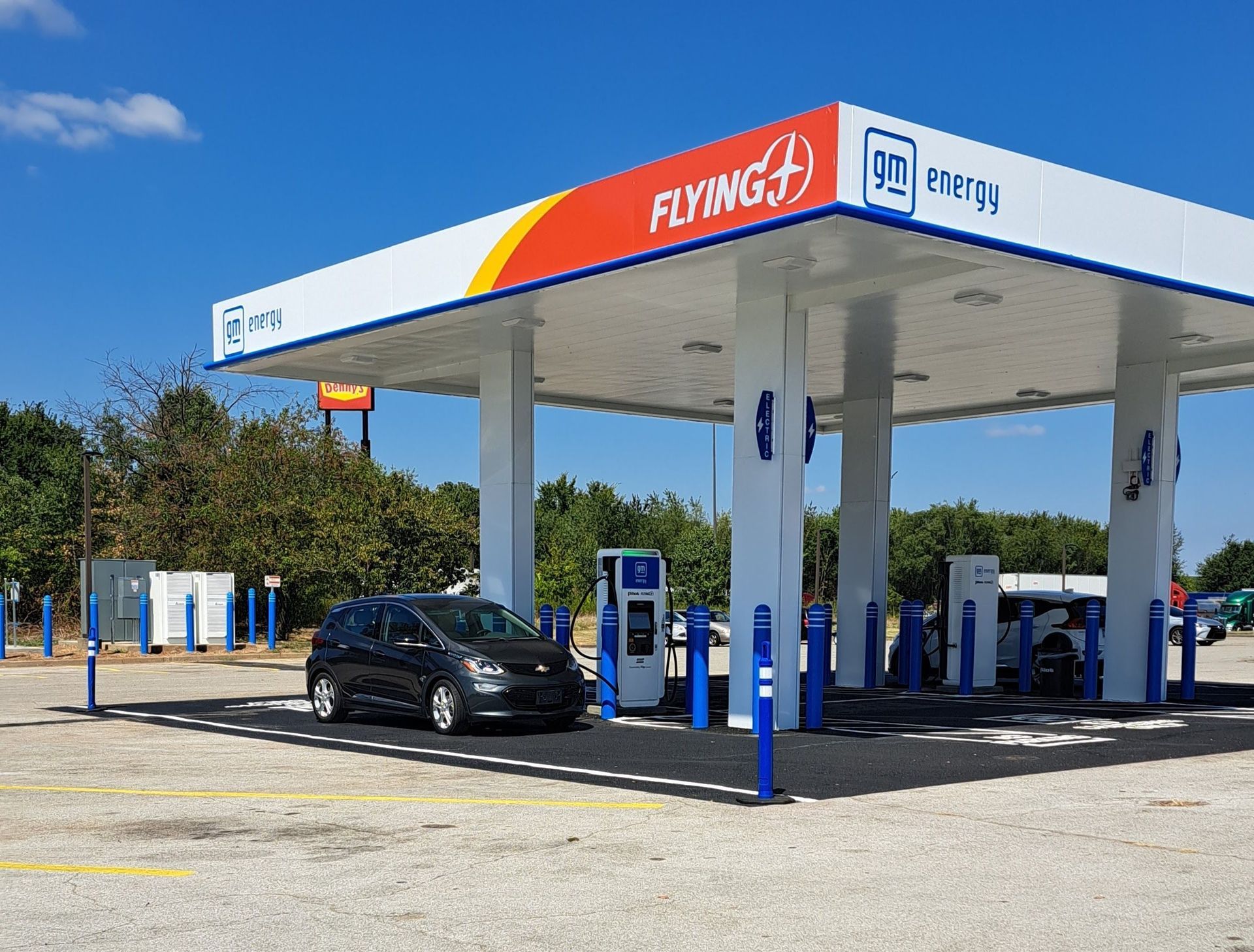
Florida gas station fuel canopy at dusk, subject to the state's emergency generator law
By Trophy Electric LLC August 13, 2026
Florida's gas station generator law (Fla. Stat. § 526.143) requires transfer switches and backup power at qualifying fuel stations near evacuation routes — and violations are criminal misdemeanors. Trophy Electric LLC, licensed master electricians serving Palm Beach, Broward, and Miami-Dade Counties, breaks down who's covered, the 2025 grant program that can offset your costs, and how to get compliant. Call (954) 995-9375 for a free consultation.
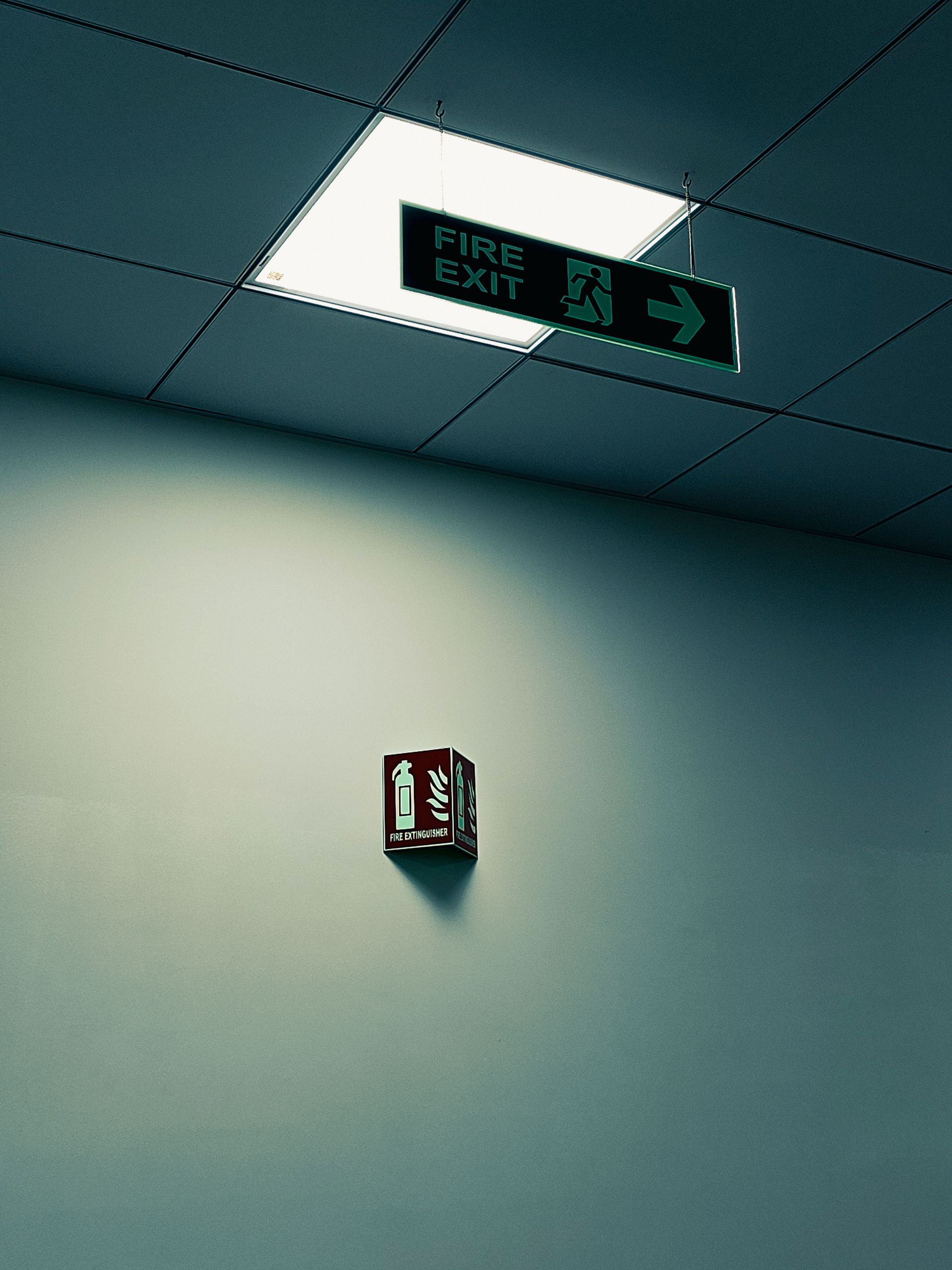
Illuminated emergency exit sign above a door in a South Florida commercial office corridor
By Trophy Electric LLC August 10, 2026
Emergency lighting and exit sign requirements for Florida commercial buildings fall under NFPA 101 — non-compliance can mean fines up to $15,000 per day under Florida Statute Chapter 162. Trophy Electric LLC, licensed master electricians serving Palm Beach, Broward, and Miami-Dade Counties, breaks down the illumination standards, the testing calendar, and who's responsible. Call (954) 995-9375 for a free consultation.

By Trophy Electric LLC August 7, 2026
Electrical code violations in South Florida can void your homeowners insurance, derail a property sale, and trigger daily fines up to $15,000. Trophy Electric LLC — licensed master electricians in Boca Raton with 65+ years of combined expertise — explains the 6 most common violations in Palm Beach and Broward County homes and exactly what it takes to fix them. Call (954) 995-9375.
By Trophy Electric LLC August 4, 2026
Your 4-point inspection flagged aluminum wiring — and Florida insurers won't cover it unmodified. Trophy Electric LLC, licensed master electricians in Boca Raton with 65+ years of combined expertise, explains the CPSC fire risk data, Florida carrier positions, and all three remediation options. Call (954) 995-9375.
By Trophy Electric LLC July 30, 2026
A 4-point electrical inspection in South Florida can make or break your homeowners insurance application. Trophy Electric LLC — licensed master electricians in Boca Raton with 65+ years of combined expertise — explains what inspectors check, the five most common failures in Palm Beach and Broward County homes, and how to prepare. Call (954) 995-9375.
By Trophy Electric LLC July 23, 2026
Standby generator installation in South Florida requires a licensed master electrician for transfer switch wiring, load calculations, and permit coordination across Palm Beach and Broward County. Trophy Electric LLC — 65+ years of combined electrical expertise in Boca Raton — explains the full 2026 process, cost ranges, and what only a licensed electrician can legally do.
By Trophy Electric LLC July 16, 2026
Commercial LED lighting upgrades in South Florida cut energy costs 50–80% and qualify for FPL rebates up to $40 per fixture. Trophy Electric LLC — licensed master electricians in Boca Raton — explains permits, qualifying fixtures, and specialized requirements for gas stations, car washes, and marinas in Broward and Palm Beach County.
By Trophy Electric LLC July 9, 2026
Pool electrical safety in South Florida is governed by NEC Article 680 — and with 1.59 million residential pools in Florida, the risks are real. The CPSC recorded 33 electrocution deaths in pools and spas from 2002–2018. Learn the GFCI, bonding, and code requirements that protect your family, from Trophy Electric LLC — licensed master electricians in Boca Raton serving Palm Beach and Broward Counties. Call (954) 995-9375.
By Trophy Electric LLC July 2, 2026
Marina electrical contractor in South Florida: NEC Article 555 shore power installation, 30mA GFPE protection, fuel dock hazardous location wiring, and electric shock drowning prevention. Trophy Electric LLC — 65+ years combined expertise, licensed master electrician serving Palm Beach, Broward & Miami-Dade. Call (954) 995-9375.
By Trophy Electric LLC June 23, 2026
South Florida pool owners: understand NEC Article 680 bonding, GFCI, and equipotential grounding requirements before your next inspection. Trophy Electric LLC — 65+ years combined expertise in water-adjacent electrical — serves Boca Raton and South Florida.
Show More