Lightning Protection Systems for Marinas and Fuel Facilities in South Florida: NFPA 780 Requirements | Trophy Electric LLC
A lightning protection system and a surge protective device solve two different problems, and confusing the two leaves South Florida's highest-risk properties exposed. For marinas, fuel facilities, and waterfront homes across Palm Beach, Broward, and Miami-Dade Counties, that distinction can be the difference between a minor outage and a fire, a fuel spill, or a fatal dockside shock. Trophy Electric LLC has spent 65+ years of combined family electrical expertise working South Florida's most demanding sites marinas, petroleum facilities, and hazardous locations and lightning protection design comes up constantly with property owners who assumed their surge protector already covered it.
This guide breaks down what NFPA 780 actually requires for fuel storage tanks and marina structures, how it differs from the code-required surge protection most homes and businesses already have, and what the real claims data says about the risk. Every figure below links to the source it came from.
Why Marinas and Fuel Facilities Carry a Different Kind of Lightning Risk
South Florida's lightning exposure is not evenly distributed, and it is not going away. AEM's 2025 U.S. Lightning Report found that Oklahoma edged out Florida for the single highest state-level lightning concentration in 2025 but seven of the ten U.S. counties with the highest lightning density are still in Florida, and Miami International Airport alone recorded 28,173 lightning flashes that year, second only to Orlando International among the nation's busiest airports. The National Weather Service's Florida Lightning Climatology confirms the seasonal pattern local property owners already know: flash density spikes sharply from May through August, driven by the collision of the east and west coast sea breezes over the peninsula, before dropping off sharply in September as frontal systems move back in.
For a home, that risk mostly means a fried HVAC board or a tripped breaker. For a marina or a fuel facility, it means something else entirely. A direct strike on a fuel storage tank, a fuel dispenser island, or a dock full of moored vessels introduces the possibility of ignition in a hazardous location, not just equipment damage. That is why marina electrical contractor work and petroleum-site electrical design in South Florida increasingly include a lightning protection conversation that a standard residential rewire never would.
Lightning Protection vs. Surge Protection: Two Different Systems
These terms get used interchangeably, and that mix-up is where a lot of exposure hides. A surge protective device (SPD), which we cover in detail in our guide to whole-home surge protection in Florida, is installed at the electrical service entrance and clamps down transient voltage spikes traveling through the wiring whether from a nearby strike, a grid switching event, or utility fluctuation. It protects what is already plugged in.
A lightning protection system (LPS), designed to NFPA 780, is a physical network of air terminals, down conductors, and grounding electrodes that gives a direct strike a low-resistance path to ground before it can pass through a structure, a fuel tank shell, or a dock's metal framework at all. NFPA maintains 780 as the design and installation standard for these systems, developed and revised through its standard NFPA 780 code development process. The two systems are not redundant a fuel facility or marina with a compliant LPS still needs SPDs on its electrical panels, because the LPS handles the direct strike and the SPD handles what leaks through the wiring anyway.
What NFPA 780 Requires for Fuel Storage Tanks
Petroleum facilities get specific treatment under NFPA 780 because a tank shell is both a lightning target and a container of flammable vapor. The standard's own language, covering aboveground tanks at atmospheric pressure, states that metallic tanks with steel roofs "shall be considered protected against lightning (inherently self-protecting)" once their construction meets defined thickness and bonding criteria a provision documented in the NFPA 780 standard text. In practice, that means a well-built steel tank often doesn't need a separate air-terminal system but it does need proper grounding and bonding of every metallic component near it: piping, vents, gauging equipment, and the tank shell itself, all tied to a common ground reference.
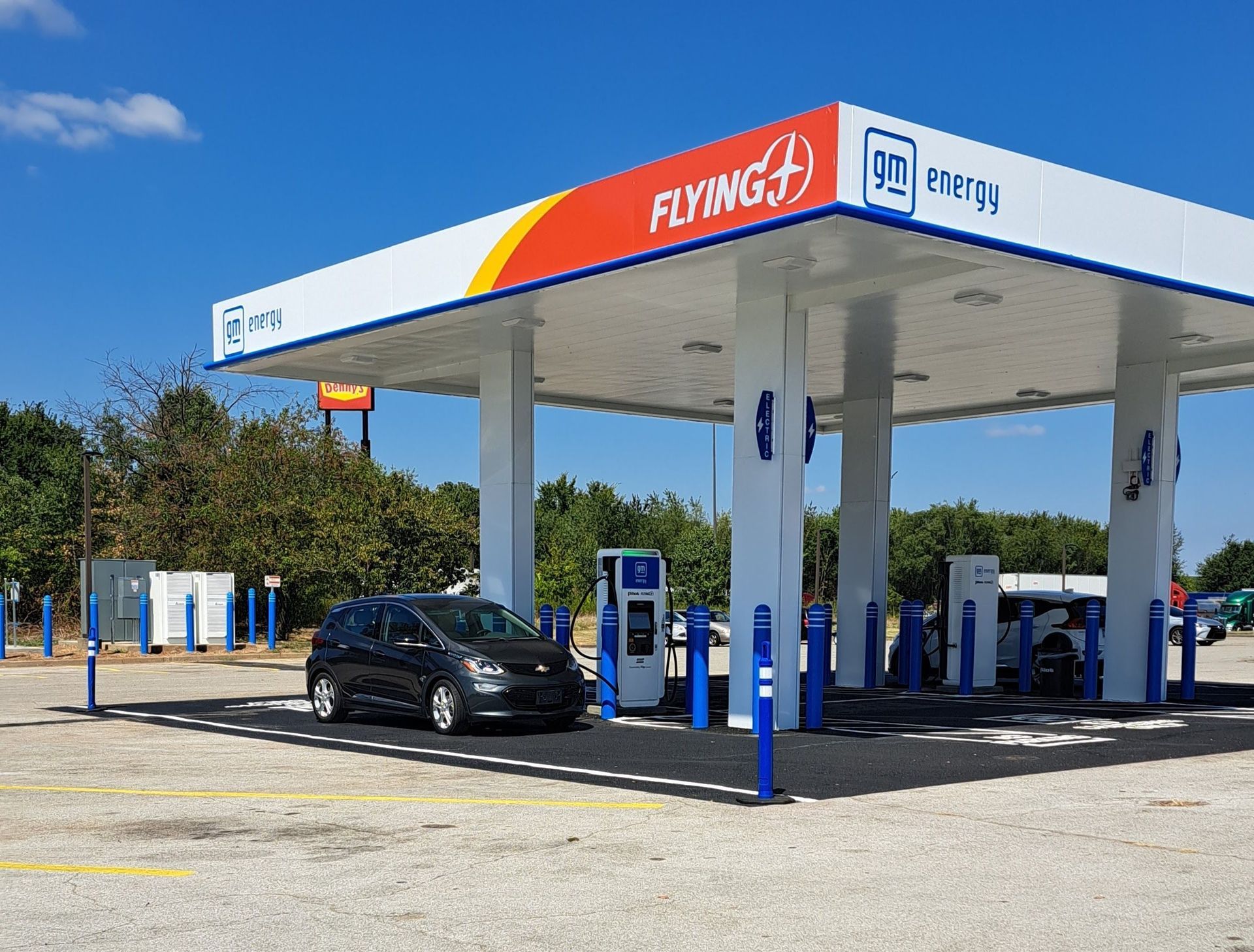
That bonding requirement connects directly to what a compliant fuel dispenser electrical installation already has to get right under NEC Article 514 grounding, conduit seals, and hazardous-location wiring methods. Lightning protection design doesn't replace that work; it extends it. Automatic tank gauging sensors, which we detail in our guide to Florida's ATG leak-detection rules, sit on exactly the kind of metallic conductor path that needs to be bonded correctly, or a strike anywhere on the site has a path straight to sensitive electronics.
What NFPA 780 Requires for Marinas, Docks, and Vessel Masts
Marinas carry their own version of this problem, multiplied by every boat in a slip. Docks are long runs of exposed metal pilings, rails, ladders, cleats sitting over water, often with a forest of aluminum masts rising above the waterline. NFPA Article 555 already governs the shore power side of this (see our breakdown of NEC Article 555 marina electrical code requirements), and the same bonding principle carries over to lightning protection design: every metallic component likely to become energized dock frames, ladders, piping has to tie back to a common grounding bus.
On the vessel side, a boat's own risk profile is well documented. BoatUS's ten-year claims analysis, reported by Claims Journal, found the national average probability of a lightning-strike claim across all boat types is about 0.9 per 1,000 insured boats per year but sailboats, with their tall masts, see 3.8 claims per 1,000 versus just 0.1 per 1,000 for bass boats and pontoons. Florida is named among the handful of states carrying the heaviest share of national lightning claims, alongside Mississippi, Louisiana, Alabama, and the Carolinas. A marina's dockside grounding and bonding system doesn't just protect the marina's own infrastructure it's part of what keeps a strike on one vessel's mast from energizing the water and every metal surface around it, which is the same electric shock drowning risk our shore power pedestal GFPE upgrade guide covers from the electrical side.
Boat lift structures, which we cover separately in our boat lift electrical installation guide, fall into the same category: metal framework over water, close to moored vessels, and worth including in a marina's overall bonding plan rather than treating as a standalone circuit.
UL 96A Listing, LPI Certification, and Why the Installer Matters
A lightning protection system is only as good as its installation, which is why the industry leans on third-party verification rather than self-certification. UL 96A is the installation requirements standard lightning protection systems are tested against, and the Lightning Protection Institute (LPI) certifies installers and inspects completed systems against NFPA 780. For a fuel facility or marina, that verification isn't paperwork for its own sake a gap in the bonding network, an undersized down conductor, or an air terminal placed outside its zone of protection can leave the exact structure the system was meant to protect uncovered.
This is also where hazardous-location experience matters more than general electrical experience. A lightning protection system on a fuel island has to route around explosion-proof equipment and conduit seals without compromising either system the kind of layered compliance problem we walk through in how to choose an electrical contractor for hazardous location work in Florida. Trophy Electric LLC's team has built that specialization across three generations, working the same category of sites Pier 66, Island Gardens, and fuel and marina properties throughout Palm Beach, Broward, and Miami-Dade Counties long enough to know where a generic electrical bid misses the hazardous-location details that actually matter.
Hurricane Season and Lightning Protection: What to Check Before the Next Storm
Lightning protection planning tends to get folded into broader hurricane-season prep, and for good reason the same May-through-August window that NWS climatology shows as Florida's peak lightning season overlaps almost entirely with hurricane season. Our hurricane season electrical preparation checklist covers the broader property walkthrough; lightning protection specifically means checking that down conductors and ground connections weren't loosened by wind load on a mast or antenna, and that dock bonding wasn't compromised by storm surge or a damaged piling. A system that passed inspection last year isn't guaranteed to still be intact after a named storm moved through.
Frequently Asked Questions
Does homeowners or marina insurance require a lightning protection system?
Requirements vary by carrier and by property type — some underwriters offer premium credits for a certified LPS on high-value waterfront property, and some marina and commercial fuel-facility policies factor it into risk pricing. Check with your insurer directly; this isn't something a general contractor can confirm on a carrier's behalf.
Is a lightning protection system the same as grounding my electrical panel?
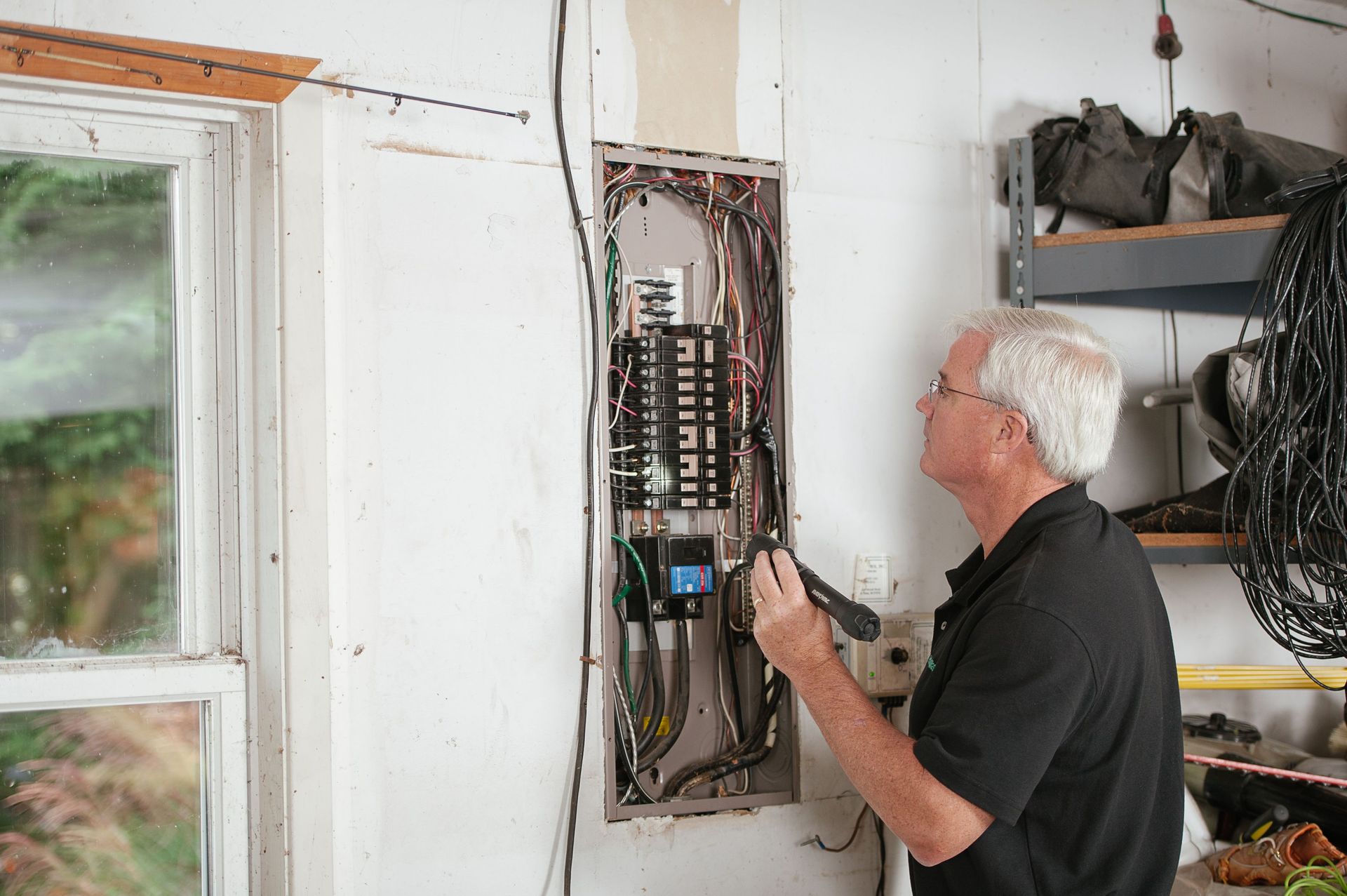
No. Electrical service grounding, covered by the National Electrical Code, protects your wiring system from fault current. A lightning protection system designed to NFPA 780 is a separate, purpose-built network intended to intercept a direct strike before it reaches the structure at all. A property can have solid NEC-compliant grounding and still have no lightning protection system.
Can Trophy Electric LLC handle both the lightning protection design and my facility's hazardous-location electrical work?
Yes — that overlap is exactly where Trophy Electric LLC specializes, having built the combined expertise across gas stations, marinas, and fuel facilities throughout South Florida for three generations.
If you manage a marina, fuel facility, or waterfront property in Palm Beach, Broward, or Miami-Dade County and aren't sure whether your site is protected against a direct strike — not just a power surge — Trophy Electric LLC's commercial electrical team can walk the property and tell you plainly what NFPA 780 would and wouldn't require. Call (954) 995-9375 for a free consultation.
Recent Posts