
EV Charging at Florida Gas Stations and Marinas: What the 2026 NEC Means for Hazardous Location Compliance | Trophy Electric LLC

Trophy Electric LLC • August 27, 2026

Share this article

Florida's fuel station and marina owners have spent the last few years fielding the same question from customers, tenants, and lenders: can this site add EV charging? For most existing gas stations and marinas, the honest answer has always been "yes, but not just anywhere"  and as of June 1, 2026, the rulebook governing that answer changed. Florida officially adopted the 2026 National Electrical Code on May 5, 2026, with an effective date of June 1, 2026, layering a new set of EV charging equipment requirements directly on top of the hazardous location rules that already govern every fueling facility and marina in the state.

For a South Florida property that's fueling cars, boats, or both, that overlap is the whole ballgame. Getting it wrong doesn't just mean a failed inspection  it means electrical equipment sitting inside a classified hazardous location it was never rated for. Here's what actually changed, how the two code articles interact, and where EV charging equipment can safely go on a property that's already dispensing fuel.

Florida's 2026 NEC Adoption Is Already in Effect

Florida updates its electrical code on a three-year cycle tied to the national NEC revision schedule. Per IAEI's state-by-state NEC adoption tracker, the state adopted the 2026 edition on May 5, 2026, with a June 1, 2026 effective date  meaning any EV charging equipment permitted or inspected in Florida today falls under the new rules, not the 2023 edition most installers are still used to. That's a narrower window than it sounds: projects permitted before June 1 generally continue under the prior edition, but anything filed since then is subject to the new Article 625 provisions covered below.

This isn't an abstract compliance footnote. Property owners and general contractors planning an EV charging addition at a gas station electrical contractor project or a marina retrofit need to know which edition their permit application falls under before a design gets drawn, because the equipment, marking, and disconnect requirements are meaningfully different.

What Changed in NEC Article 625 for 2026

Article 625 covers the conductors and equipment used to connect electric vehicles to premises wiring for charging. As IAEI Magazine's NFPA Code Corner details, the 2026 edition made three changes that matter for any commercial installation, not just residential chargers:

 Qualified-person installation is now mandatory. New Section 625.4 requires that permanently installed EV charging equipment be installed by a "qualified person" someone with demonstrated skills, knowledge, and safety training specific to electrical construction and operation, which most jurisdictions interpret as a licensed electrician. That closes a gap that let unqualified installers put in hardwired chargers with no enforceable licensing requirement behind it.

 Field marking is now required. New Section 625.5 requires EV supply equipment to carry permanent, visible markings showing supply voltage, number of phases, frequency, full-load current, and short-circuit current rating information installers, inspectors, and maintenance crews previously had to hunt for in a spec sheet.

 Disconnect requirements were rewritten into four subsections. Section 625.43 expanded from a single paragraph into 625.43(A) through (D), covering general disconnect requirements, multifamily dwelling directory/plaque rules, accessible equipment disconnects, and for any building other than a one- or two-family dwelling a dedicated emergency disconnect requirement for permanently connected charging equipment.

None of that is unique to fueling sites. But it's the baseline every commercial EVSE installation in Florida now has to clear before the second, more site-specific question even comes up: where is this equipment allowed to physically sit?

The Overlap Most Installers Miss: NEC 514 and Hazardous Locations

Motor fuel dispensing facilities are governed separately, under NEC Article 514 — and that article doesn't go away just because the equipment being installed is an EV charger instead of a fuel pump. As NECA's retired codes and standards director Michael Johnston explained in Electrical Contractor magazine, most EV charging additions happen at facilities where "hazardous (classified) locations are already determined, and the existing wiring methods and equipment are approved and operational" — which means the classified-area boundaries were set based on the fuel dispensing equipment already there, not the charger being added.

Section 514.3 defines the extent of Class I, Division 1 and 2 locations using Table 514.3(B)(1) and (2), covering both dispensers and aboveground storage tanks. That table determines, in feet, exactly how far the classified area extends from each piece of fueling equipment and per Johnston's guidance, the safest and most common approach is to locate EV charging equipment, cables, and cords entirely outside that classified boundary. If any part of the installation has to sit inside it, Section 514.4 requires the equipment itself to be rated for that hazardous location, Section 514.7 governs the wiring above and within it, and Section 514.8 covers underground wiring at the same facility.

One distinction worth flagging for property owners: Section 514.11's emergency disconnect requirements apply to the fuel dispensing system itself, not to EV charging equipment. Adding a charger doesn't satisfy or replace the emergency shutoff requirements already in place for the pumps.

Where This Applies for South Florida Gas Stations and Marinas

The same logic extends to marinas, which carry their own hazardous location considerations around fuel docks and shore power. A marina adding EV charging near a fuel dock is running the same two-article analysis: Article 625 for the charger itself, and the hazardous-location rules that already apply to the property's fuel dispensing equipment. Trophy Electric's marina electrical contractor work across Palm Beach, Broward, and Miami-Dade counties already requires this kind of classified-area awareness for shore power and fuel dock wiring under NEC Article 555 — EV charging is an addition to that analysis, not a separate problem.

In practice, that means a few concrete steps before any EV charger goes into the ground at an existing fueling site:


  • Pull the site's existing hazardous location classification don't assume it, verify it against Table 514.3(B)(1) and (2) for the specific dispensers and tanks on the property.
  • Site the charger, its conduit run, and its cable reach entirely outside that classified boundary wherever the layout allows.
  • If space constraints put any part of the installation inside the classified area, budget for hazardous-location-rated equipment under Section 514.4 rather than standard EVSE.
  • Confirm the installing electrician meets the Section 625.4 qualified-person standard and that the equipment carries the Section 625.5 field markings before final inspection.
  • Remember that the fueling system's existing emergency disconnects (Section 514.11) still apply and aren't satisfied by the new charger's own disconnect under Section 625.43.

This is also a capacity question, not just a classification one. Adding Level 2 or DC fast charging load to a site that's already running fuel pumps, canopy lighting, and often a convenience store means the service and panel capacity need a real load calculation the same discipline Trophy Electric applies on every commercial electrical contractor project, whether the question is an EV charger installation at a home or a multi-charger bank at a fueling site.

Capacity and Existing Compliance Work Already in Place

None of this replaces the compliance work station owners already carry under Florida's gas station generator law or existing NEC 514 obligations it sits on top of it. Owners who've already gone through a gas station electrical code compliance review, or who installed backup power under Florida's gas station generator law, already have most of the site documentation an EV charging project needs the classified-area drawings, the panel capacity data, and the existing disconnect locations.

That panel capacity data matters more than it sounds. A site that's added a panel upgrade in the last few years for other equipment may already have the headroom an EV charging bank needs — but that has to be verified against actual load, not assumed from the panel's rated capacity.

Frequently Asked Questions

  • Does adding an EV charger at a gas station require re-classifying the whole site as a hazardous location?

    No. The hazardous location classification already exists around the fuel dispensers and storage tanks per Table 514.3(B)(1) and (2). Adding a charger doesn't expand that classification — it just means the charger has to be sited relative to a boundary that's already defined. 

  • Can a standard, non-hazardous-rated EV charger be installed at a fueling facility?

    Yes, as long as the equipment, its cords, and its cable reach are entirely outside the classified area defined by Section 514.3. If any part of the installation falls inside that boundary, the equipment must meet the hazardous-location rating required by Section 514.4. 

  • Does the fuel dispensing system's emergency disconnect also shut off the EV charger?

    No. Section 514.11's emergency disconnect requirements apply specifically to the fuel dispensing system. EV charging equipment needs its own disconnect under the new Section 625.43 requirements. 

  • Who is allowed to install permanently connected EV charging equipment under the 2026 NEC?

    Section 625.4 requires installation by a "qualified person" someone with demonstrated electrical construction and safety training, which in practice means a licensed electrician in most Florida jurisdictions. 

  • What should a gas station or marina owner do before signing an EV charging contract?

    Confirm the installer has pulled the site's existing hazardous location classification, sited the equipment outside the classified boundary (or budgeted for rated equipment if it can't be), and run a load calculation against the site's existing panel capacity. 

Trophy Electric LLC has spent 65+ years of combined family expertise working inside Florida's hazardous location and petroleum electrical requirements — this is the same classified-area discipline the team already applies to fuel dispensers, marina shore power, and standby generators, now extended to EV charging. For a site-specific review before your next permit application, call (954) 995-9375.

Recent Posts

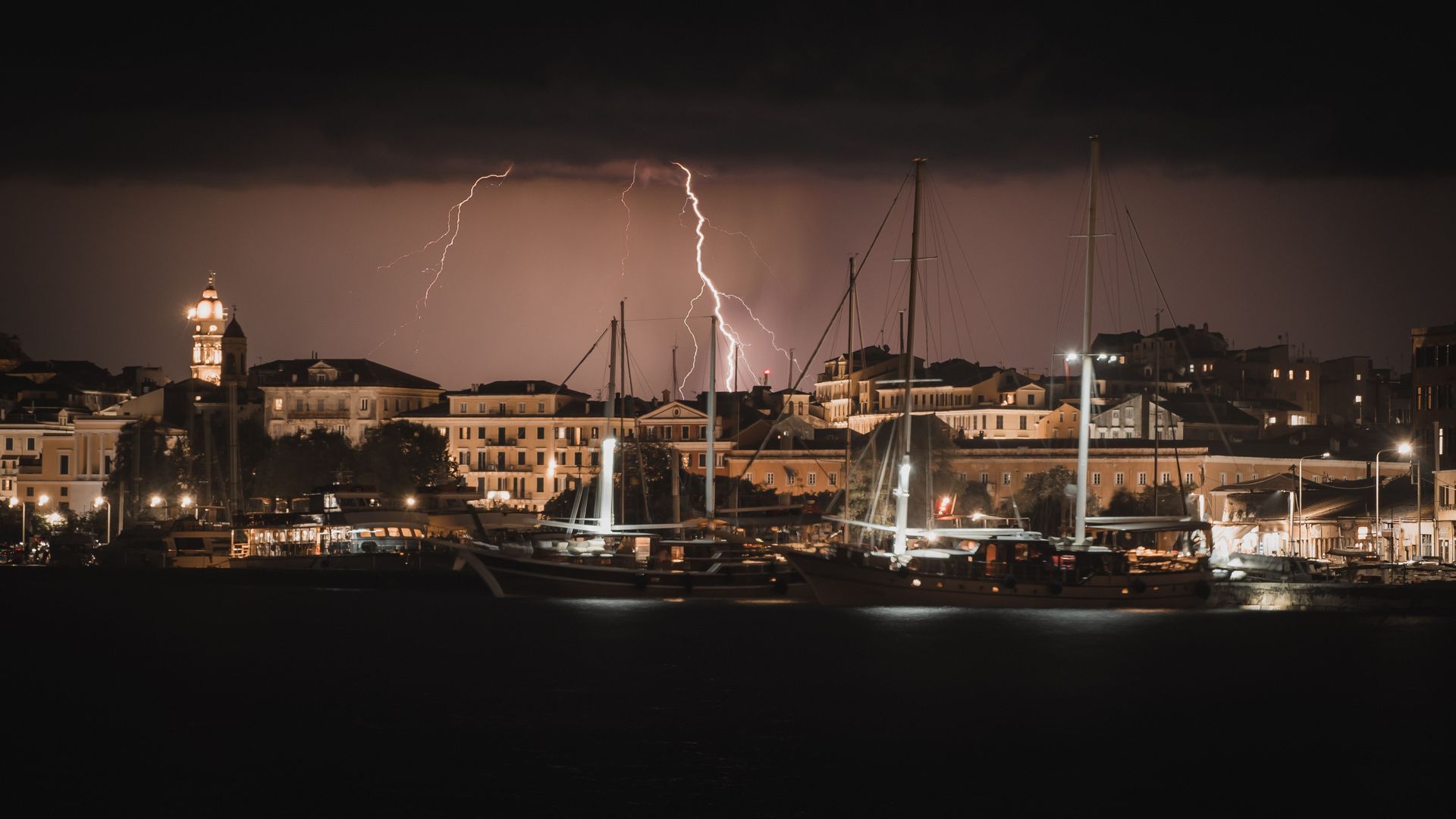
Lightning strike over a South Florida marina at dusk with boats docked along the pier
By Trophy Electric LLC • September 17, 2026
Lightning protection systems for South Florida marinas and fuel facilities go beyond code-required surge protection — NFPA 780 governs tank bonding, mast grounding, and UL 96A-listed installations. Trophy Electric LLC, 65+ years of combined family electrical expertise in Palm Beach, Broward, and Miami-Dade, breaks down what the standard actually requires and when a licensed contractor is essential. Free consultation: (954) 995-9375.
By Trophy Electric LLC • September 3, 2026
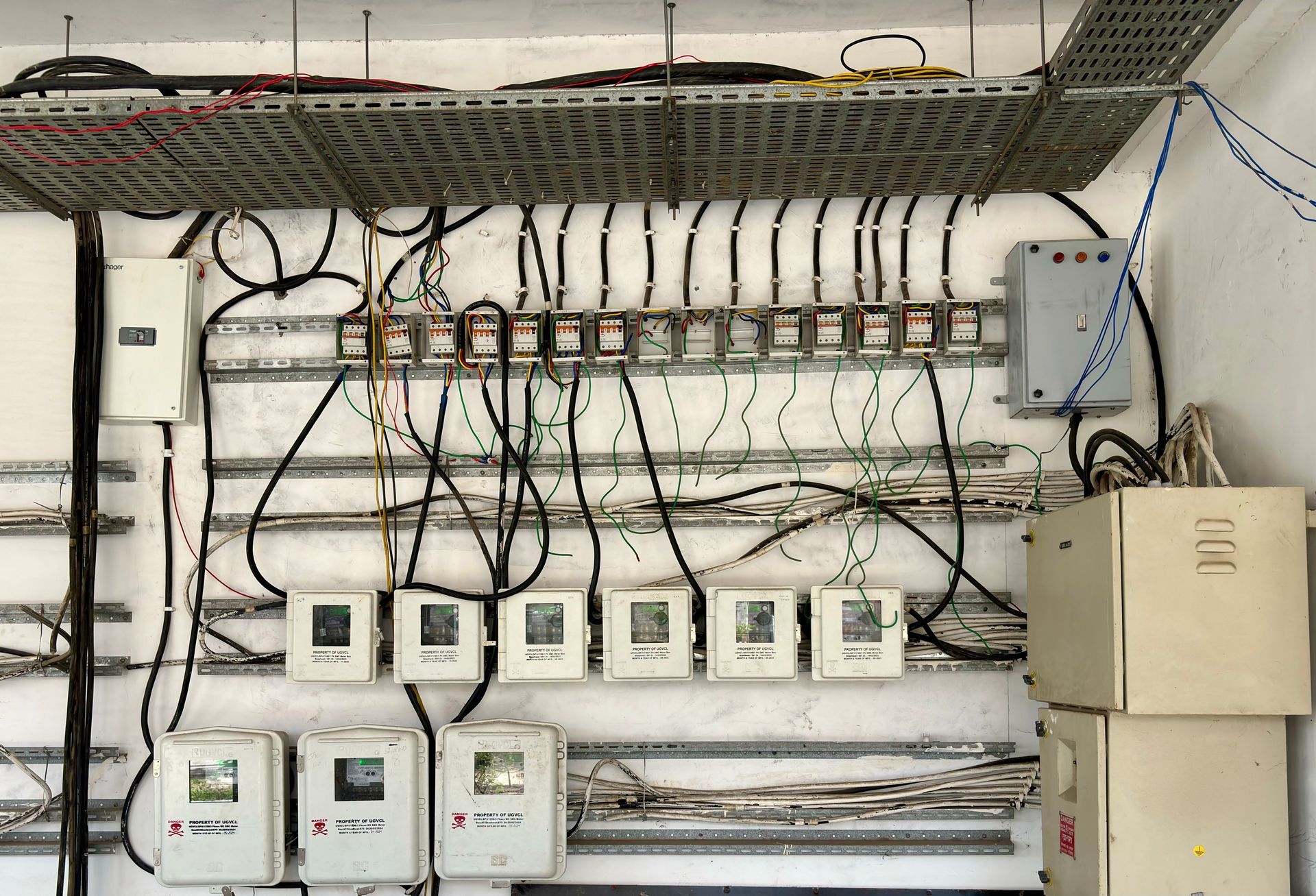
Electrical panel upgrade cost in South Florida runs $1,800–$4,500 for a standard 200-amp job in 2026, and Broward County requires a permit for every one. Trophy Electric LLC, 65+ years of combined family electrical expertise, breaks down real local pricing, what pushes it above the national average, and the permit and FPL steps most estimates skip. Free consultation: (954) 995-9375.
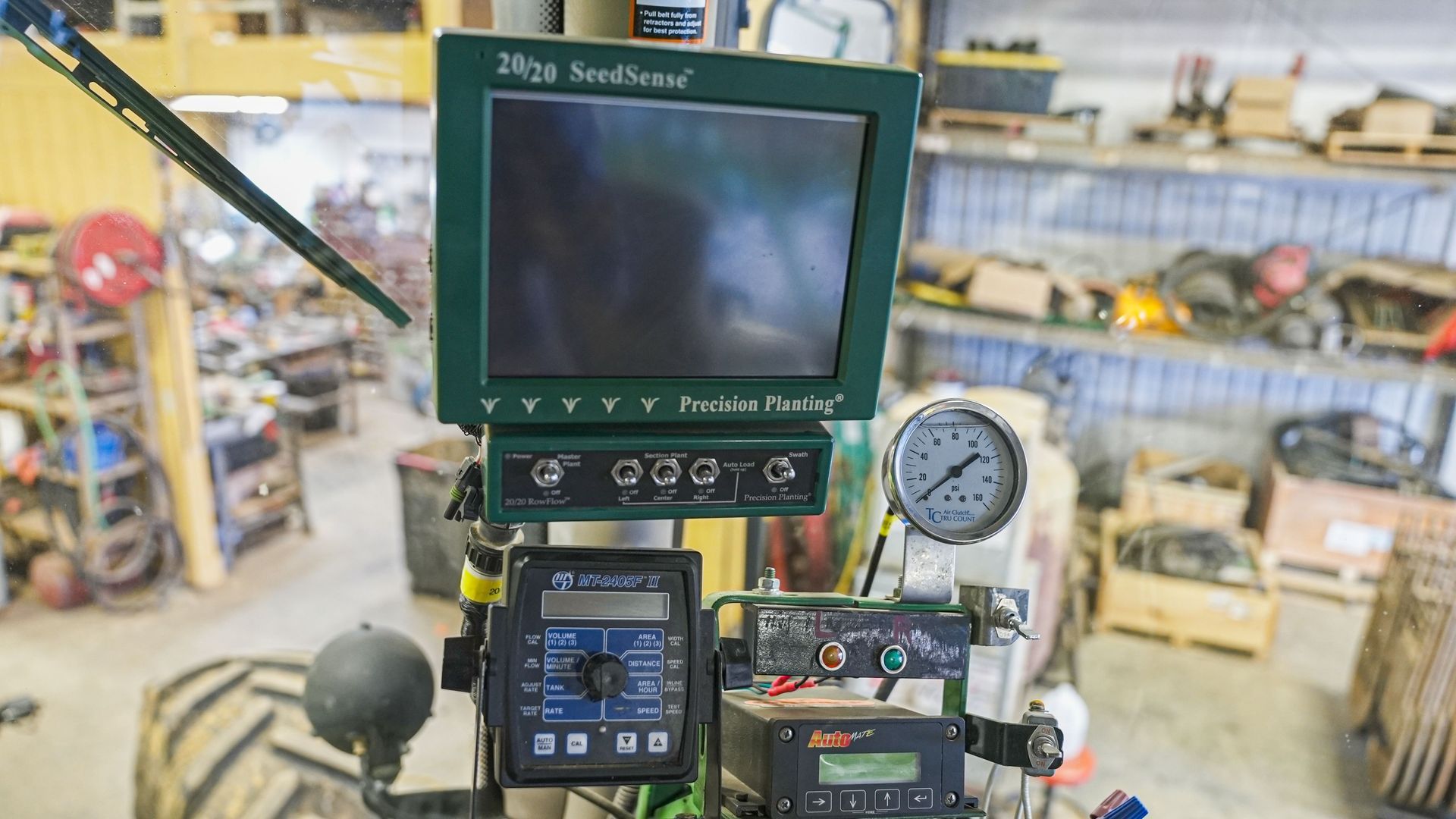
Workbench with a monitor, gauge, and electronics in a cluttered workshop, viewed in first-person setup
By Trophy Electric LLC • August 20, 2026
Automatic tank gauging systems must detect a leak as small as 0.2 gallons per hour under EPA rules, and Florida's FDEP inspectors check the sensor wiring every year. Trophy Electric LLC, South Florida's petroleum and hazardous-location electrical specialists with 65+ years of combined family expertise, breaks down the electrical side of ATG compliance. Call (954) 995-9375 for a free consultation.

By Trophy Electric LLC • August 17, 2026
The 2026 NEC revised Section 514.11(A) — emergency shutoff rules for fuel dispensers — to fix a rule that broke down at large fueling sites. Trophy Electric LLC, South Florida's petroleum and marina electrical specialists with 65+ years of combined family expertise, breaks down what changed and whether it's Florida law yet. Call (954) 995-9375 for a free consultation.

Florida gas station fuel canopy at dusk, subject to the state's emergency generator law
By Trophy Electric LLC • August 13, 2026
Florida's gas station generator law (Fla. Stat. § 526.143) requires transfer switches and backup power at qualifying fuel stations near evacuation routes — and violations are criminal misdemeanors. Trophy Electric LLC, licensed master electricians serving Palm Beach, Broward, and Miami-Dade Counties, breaks down who's covered, the 2025 grant program that can offset your costs, and how to get compliant. Call (954) 995-9375 for a free consultation.
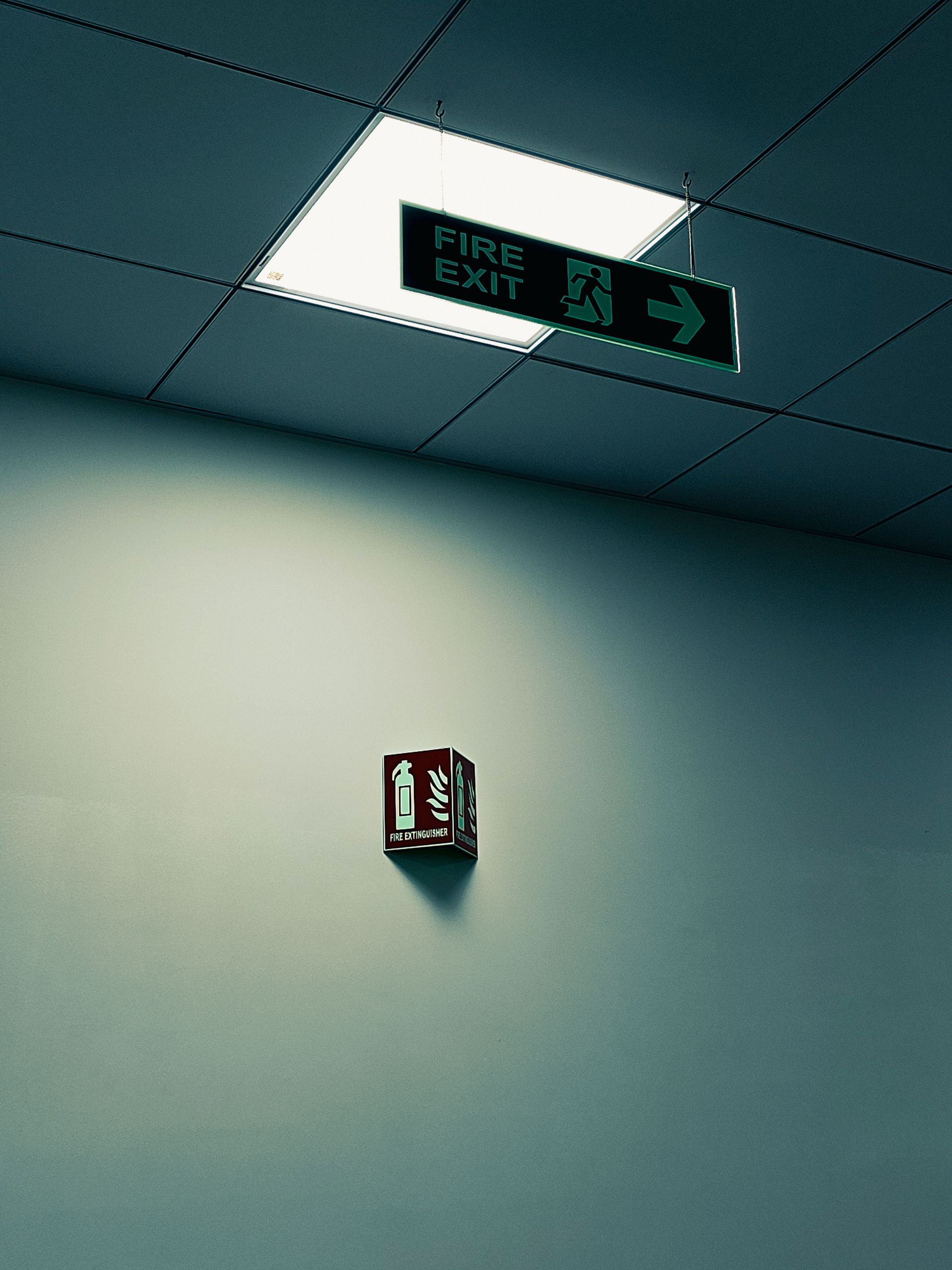
Illuminated emergency exit sign above a door in a South Florida commercial office corridor
By Trophy Electric LLC • August 10, 2026
Emergency lighting and exit sign requirements for Florida commercial buildings fall under NFPA 101 — non-compliance can mean fines up to $15,000 per day under Florida Statute Chapter 162. Trophy Electric LLC, licensed master electricians serving Palm Beach, Broward, and Miami-Dade Counties, breaks down the illumination standards, the testing calendar, and who's responsible. Call (954) 995-9375 for a free consultation.
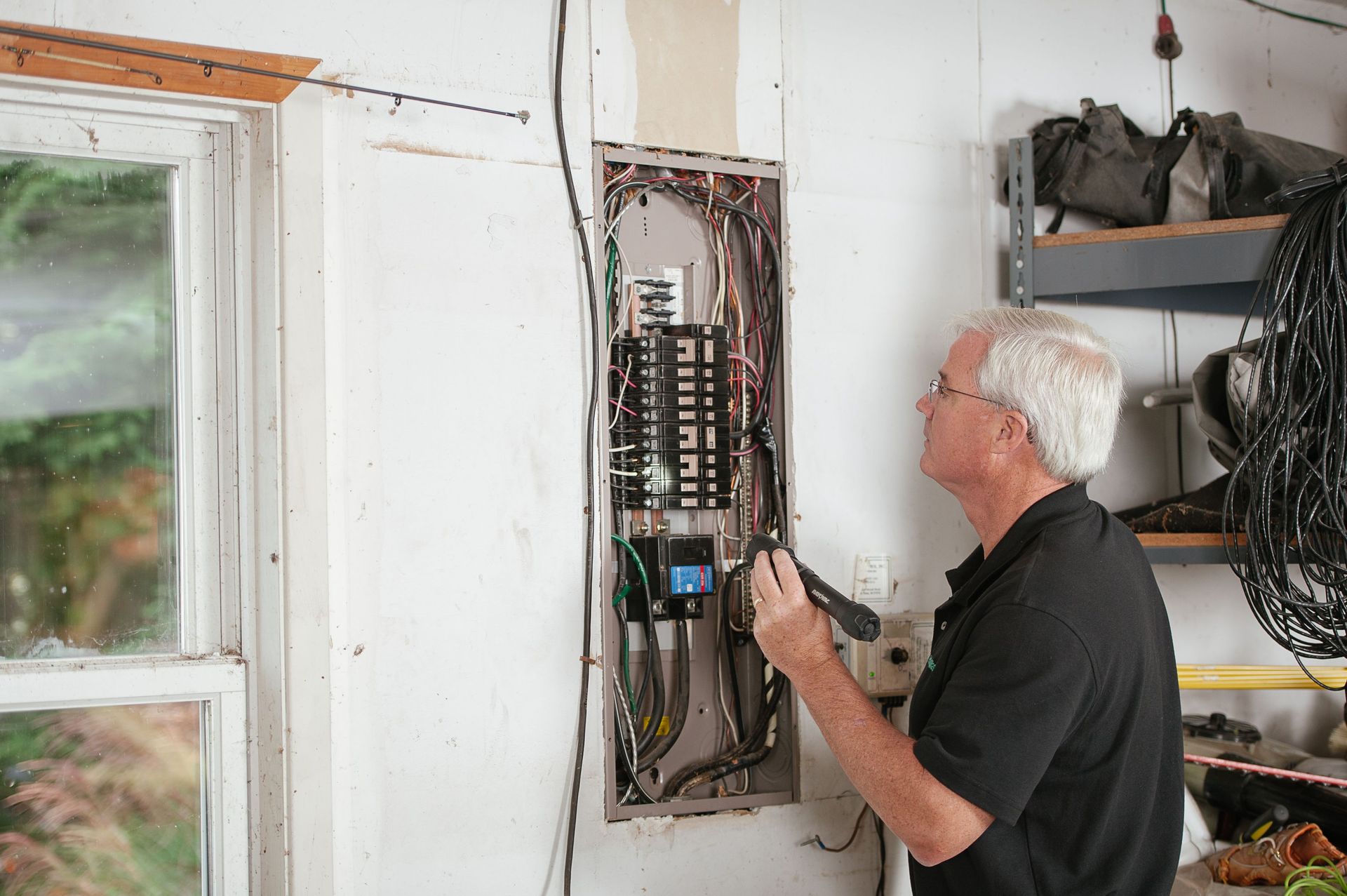
By Trophy Electric LLC • August 7, 2026
Electrical code violations in South Florida can void your homeowners insurance, derail a property sale, and trigger daily fines up to $15,000. Trophy Electric LLC — licensed master electricians in Boca Raton with 65+ years of combined expertise — explains the 6 most common violations in Palm Beach and Broward County homes and exactly what it takes to fix them. Call (954) 995-9375.
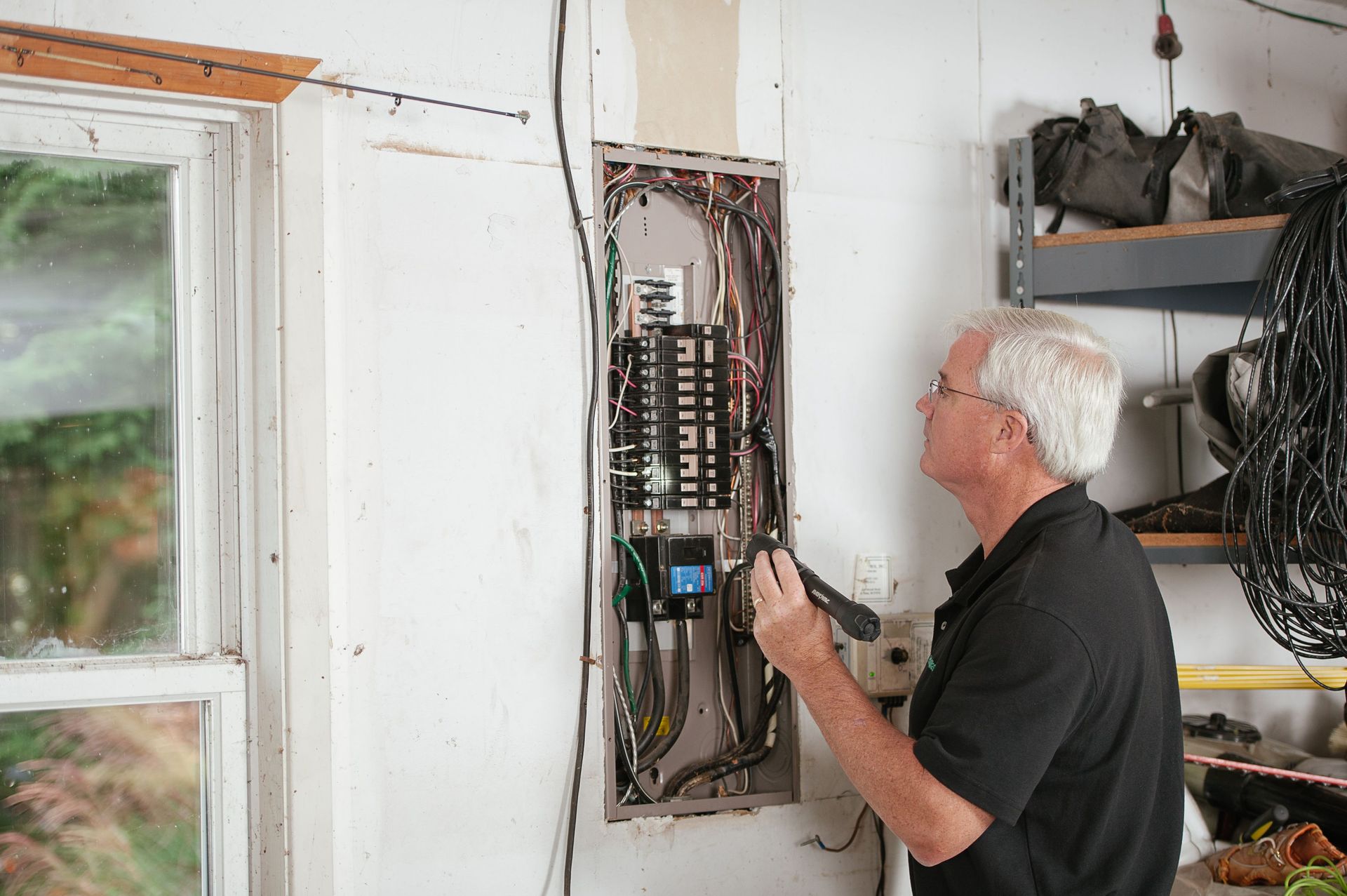
By Trophy Electric LLC • August 4, 2026
Your 4-point inspection flagged aluminum wiring — and Florida insurers won't cover it unmodified. Trophy Electric LLC, licensed master electricians in Boca Raton with 65+ years of combined expertise, explains the CPSC fire risk data, Florida carrier positions, and all three remediation options. Call (954) 995-9375.
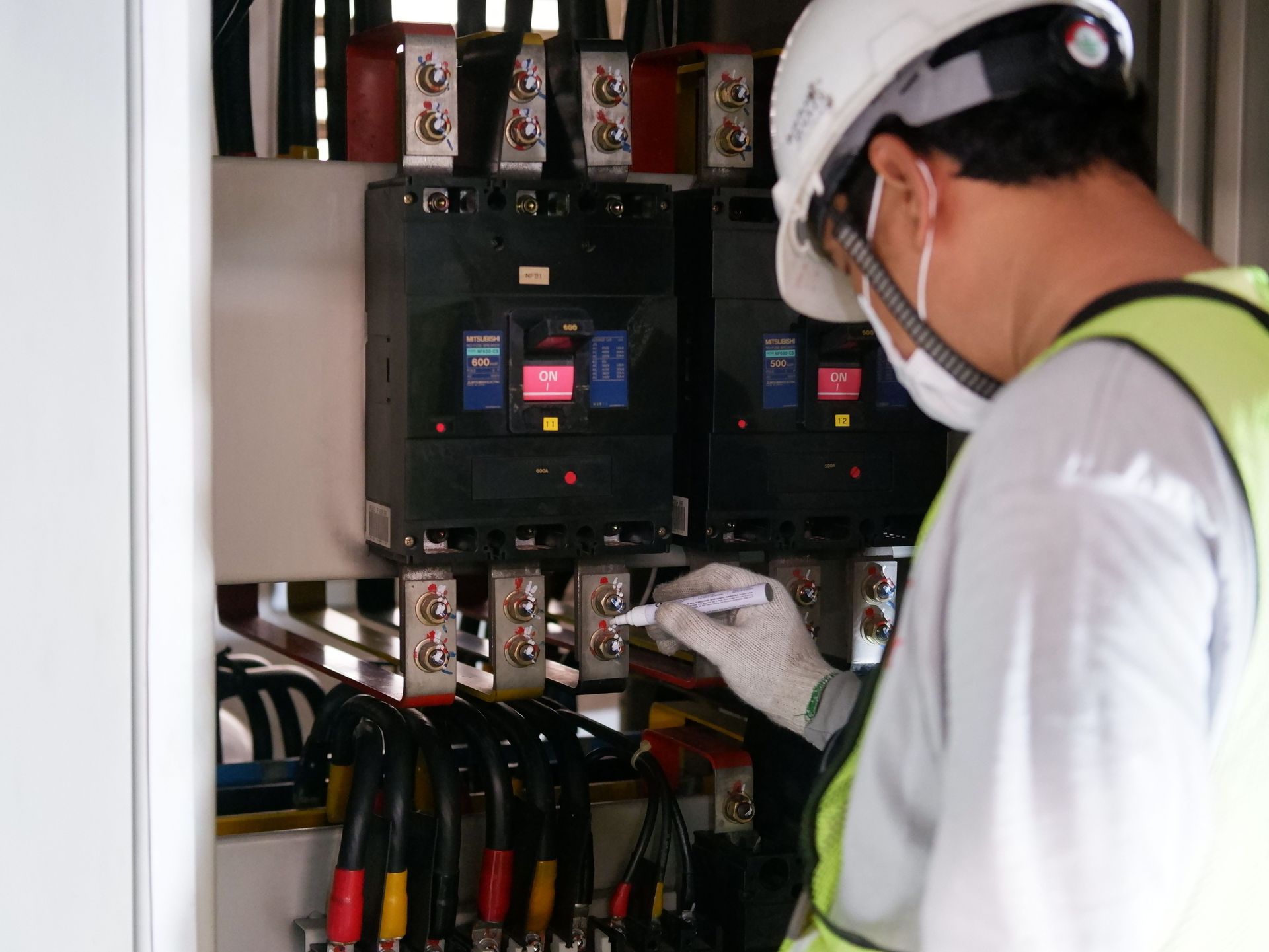
By Trophy Electric LLC • July 30, 2026
A 4-point electrical inspection in South Florida can make or break your homeowners insurance application. Trophy Electric LLC — licensed master electricians in Boca Raton with 65+ years of combined expertise — explains what inspectors check, the five most common failures in Palm Beach and Broward County homes, and how to prepare. Call (954) 995-9375.
By Trophy Electric LLC • July 23, 2026
Standby generator installation in South Florida requires a licensed master electrician for transfer switch wiring, load calculations, and permit coordination across Palm Beach and Broward County. Trophy Electric LLC — 65+ years of combined electrical expertise in Boca Raton — explains the full 2026 process, cost ranges, and what only a licensed electrician can legally do.
Show More