
Florida's Gas Station Generator Law: What Fla. Stat. § 526.143 Requires

Trophy Electric LLC • August 13, 2026

Share this article

Florida's gas station generator law didn't happen by accident. It happened because during Hurricane Wilma in October 2005, service plazas on the Florida Turnpike backed up more than five miles, with drivers waiting three to five hours just to reach a working pump while entire stations sat dark. The legislature's answer was Fla. Stat. § 526.143 — Florida's Alternate Power Source Law, and in South Florida, where hurricane season runs six months of every twelve, it's one of the more consequential pieces of code a fuel station owner will ever have to comply with.

Trophy Electric specializes in petroleum-industry electrical work, fuel dispenser wiring, hazardous location installations, and the exact transfer switches this law requires. This guide breaks down who's covered, what the statute actually demands, what happens if a station skips it, and a 2025 grant program most owners don't know exists yet.

What Florida's Alternate Power Source Law Actually Requires

Fla. Stat. § 526.143 sets backup-power obligations across three tiers of the fuel supply chain, and the requirements differ by tier. Motor fuel terminal facilities and wholesalers must be able to run their distribution loading racks on alternate generated power for a minimum of 72 hours, with that power available no later than 36 hours after a major disaster (once the operator has cleared the equipment as safe to use post-storm). Newly constructed or substantially renovated retail outlets, anywhere with a certificate of occupancy issued on or after July 1, 2006, must be prewired with a transfer switch capable of running every fuel pump, dispenser, life-safety system, and payment terminal on backup power, regardless of location. And retail outlets near an interstate or a designated evacuation route face the same prewiring requirement based on county population and pump count, which is the tier that catches most independent and small-chain stations by surprise.

In every case, the statute is explicit about who can do the work: installation of the wiring and transfer switch must be performed by a certified electrical contractor . This isn't a DIY project or a general handyman job, it's licensed, code-driven gas station electrical contractor work tied to hazardous-location wiring rules under NEC Article 514, which we cover in detail in our guide to gas station electrical code compliance in Florida.

Who Has to Comply: County Population and Fueling-Position Thresholds

The evacuation-route trigger in subsection (3) is scaled to county size, so the fueling-position count that puts a station in scope depends on where it sits:

  • Counties with a population of 300,000 or more : stations with 16 or more fueling positions within a half-mile of an interstate or a state/federally designated evacuation route.
  • Counties with a population between 100,000 and 300,000 : stations with 12 or more fueling positions under the same location trigger.
  • Counties with a population under 100,000 : stations with 8 or more fueling positions under the same location trigger.

That matters directly for Trophy Electric's service area. Per the latest U.S. Census Bureau estimates, Miami-Dade County sits at roughly 2.8 million residents, and Broward and Palm Beach Counties are each confirmed by the Census Bureau as having topped 1 million residents, at just over 2 million and roughly 1.5 million respectively, all three land in the 300,000-and-up tier, which is the strictest threshold in the statute. Any qualifying station with 16 or more fueling positions near I-95, the Florida Turnpike, or another designated evacuation route in Palm Beach, Broward, or Miami-Dade County is in scope, whether it's a single independent location or part of a larger chain.

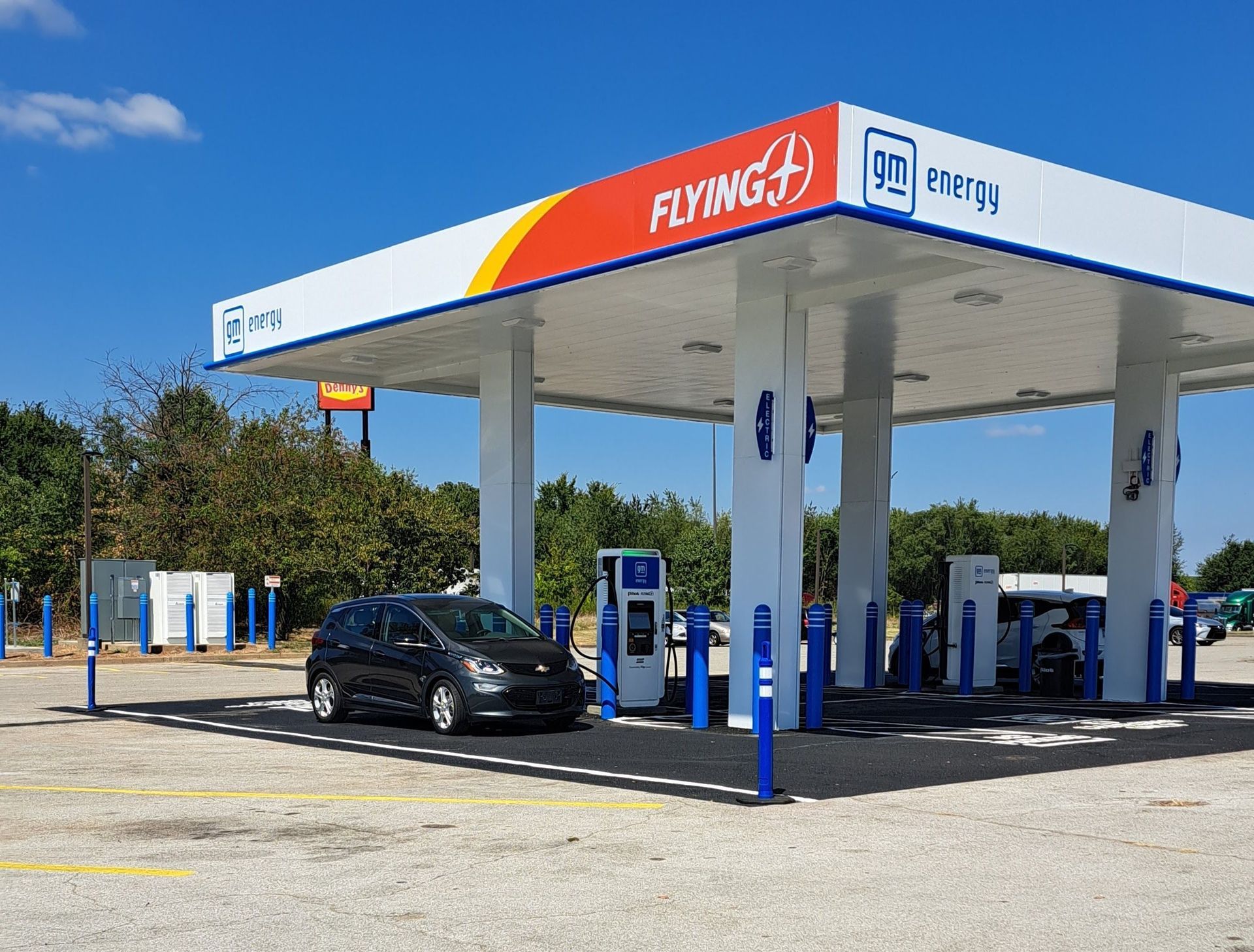
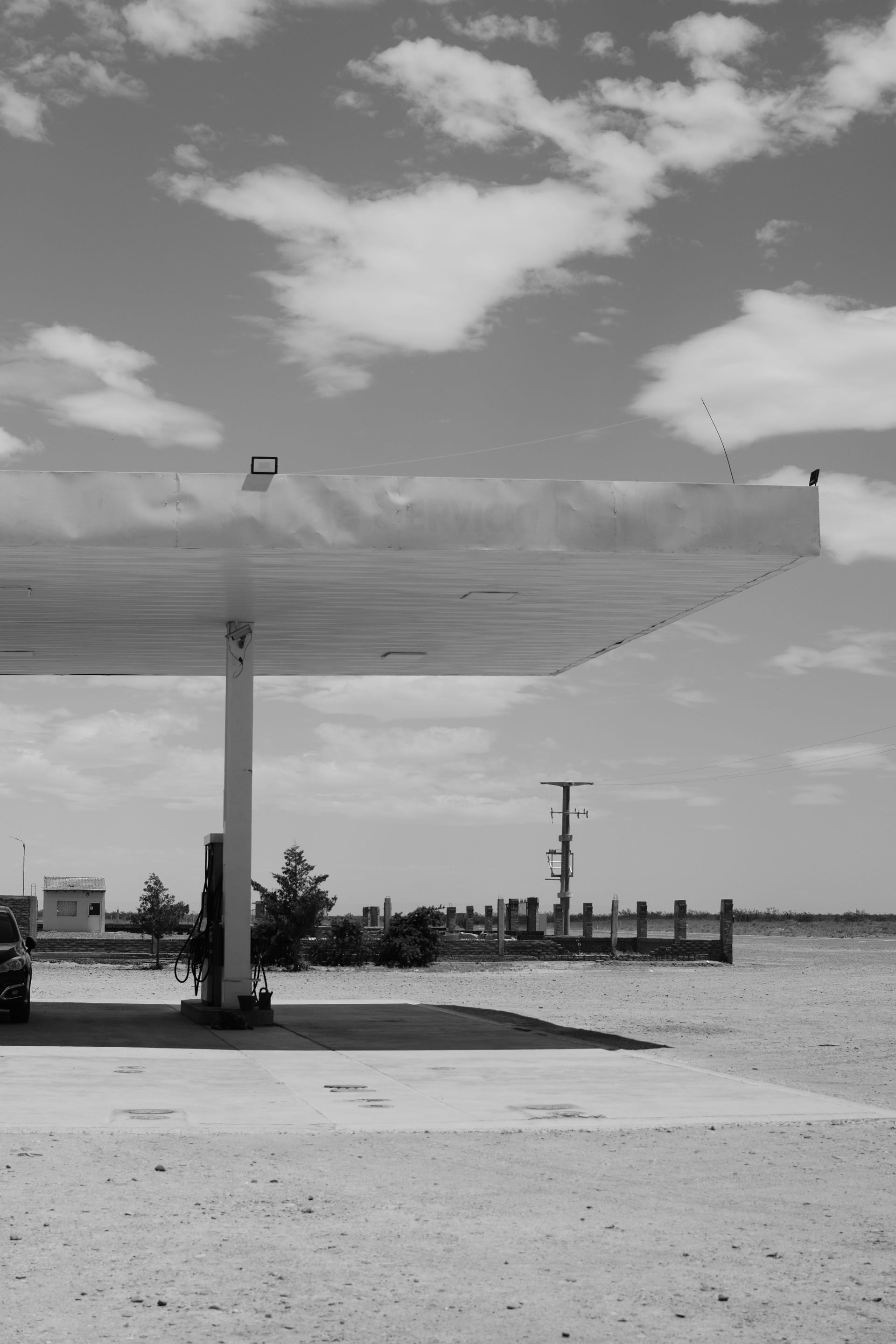
Gas station canopy by a waterfront under a cloudy sky, with a pier in the distance.

New Construction and Renovation Triggers

Subsection (2) is broader than the evacuation-route rule and easier to miss, because it applies regardless of a station's proximity to a highway. Any motor fuel retail outlet that receives a certificate of occupancy on or after July 1, 2006, new build or "substantially renovated," defined as a renovation that increases the outlet's assessed value by more than 50% must be prewired with a transfer switch and capable of running fuel pumps, dispensers, life-safety systems, and payment equipment on backup power. Local building inspectors are required to check for this equipment as part of the standard inspection before issuing the certificate of occupancy, which means a station remodel that crosses the 50% value threshold can trigger the requirement even if the location itself would never be covered by the evacuation-route rule.

Stations subject to this subsection must also keep documentation on hand, a copy of the certificate of occupancy and a written statement attesting to periodic testing and operational capability of the equipment available on request to the Division of Emergency Management or the county emergency management agency.

What Happens If You Don't Comply

This isn't a civil fine you can absorb as a cost of doing business. Under Fla. Stat. § 526.11, a first violation of any provision in Chapter 526 the chapter that contains § 526.143 is a second-degree misdemeanor, and a second or subsequent violation is a first-degree misdemeanor, both punishable under Fla. Stat. §§ 775.082 and 775.083. That's a criminal exposure sitting on top of the more obvious business risk: a station that can't pump fuel during a hurricane evacuation loses the single highest-demand sales window of its year, right when nearby competitors who are prewired stay open.

The 2025 Grant Program That Can Cover Your Transfer Switch Costs

Most Florida station owners haven't heard about this yet: the 2025 legislature created the Florida Retail Fuel Transfer Switch Modernization Grant Program under Fla. Stat. § 526.147, administered by the Department of Agriculture and Consumer Services. It provides grant funds toward installing or modernizing transfer switch infrastructure up to $10,000 per facility in fiscally constrained counties, or up to $5,000 at all other retail fuel locations. To qualify, a facility has to comply with § 526.143 and install a transfer switch capable of running fuel pumps, dispensing equipment, life-safety systems, and payment equipment on alternate power, and it has to submit documentation on the transfer switch installation and required generator sizing before funds are awarded.

There are a few carve-outs worth knowing before applying: marinas and fueling facilities with fewer than four fueling positions aren't eligible, and stations already required to comply under subsection (2) the new-construction/renovation trigger are excluded from this particular grant pool. DACS is still working through the rulemaking process for application deadlines and required documentation, so timing matters if a station is planning transfer switch work this budget cycle.

Why This Has to Be Installed by a Certified Electrical Contractor

The statute isn't vague on this point installation of the wiring and transfer switch must be performed by a certified electrical contractor, full stop. For a fuel station, that's not just a licensing formality. Transfer switch work at a fueling facility intersects with hazardous location classifications under NEC Article 500 and the dispenser-specific requirements of NEC Article 514, which govern conduit seals, grounding, and equipment ratings anywhere flammable vapors may be present. Get the transfer switch or generator sizing wrong and a station either fails its post-storm equipment check or creates a genuine ignition risk in a space that was never supposed to have one. We cover the sizing and wiring side of this in our breakdown of fuel dispenser electrical installation under NEC requirements.

How Trophy Electric Approaches Fuel Station Compliance in South Florida

Trophy Electric is a family-owned electrical contracting company with more than 65 years of combined electrical knowledge across three generations, and petroleum-industry work gas stations, fuel docks, and marinas is our specialty rather than a side offering. That focus shows up in projects like the marina fuel systems at Pier 66 and Island Gardens, and it's the same expertise we bring to a station owner who needs a § 526.143 transfer switch installed correctly the first time: properly sized, properly documented, and installed clean enough to pass inspection without a second visit. If your station's transfer switch and hazardous-location wiring haven't been reviewed since before the 2025 grant program existed, it's worth a look before the next storm season, not during it — our commercial electrical contractor team handles the compliance review, sizing, and installation as one project. We also do this same transfer-switch and shore-power work for docks and marinas through our marina electrical contractor services, which matters because marinas with fewer than four fueling positions fall outside the § 526.147 grant but often still carry the same underlying electrical risk during a storm.

Before hurricane season peaks, it's also worth working through our hurricane season electrical preparation checklist, and if a station's electrical panel is aging alongside its transfer switch needs, our guide to electrical panel upgrades in South Florida covers when it's time to move up in capacity.

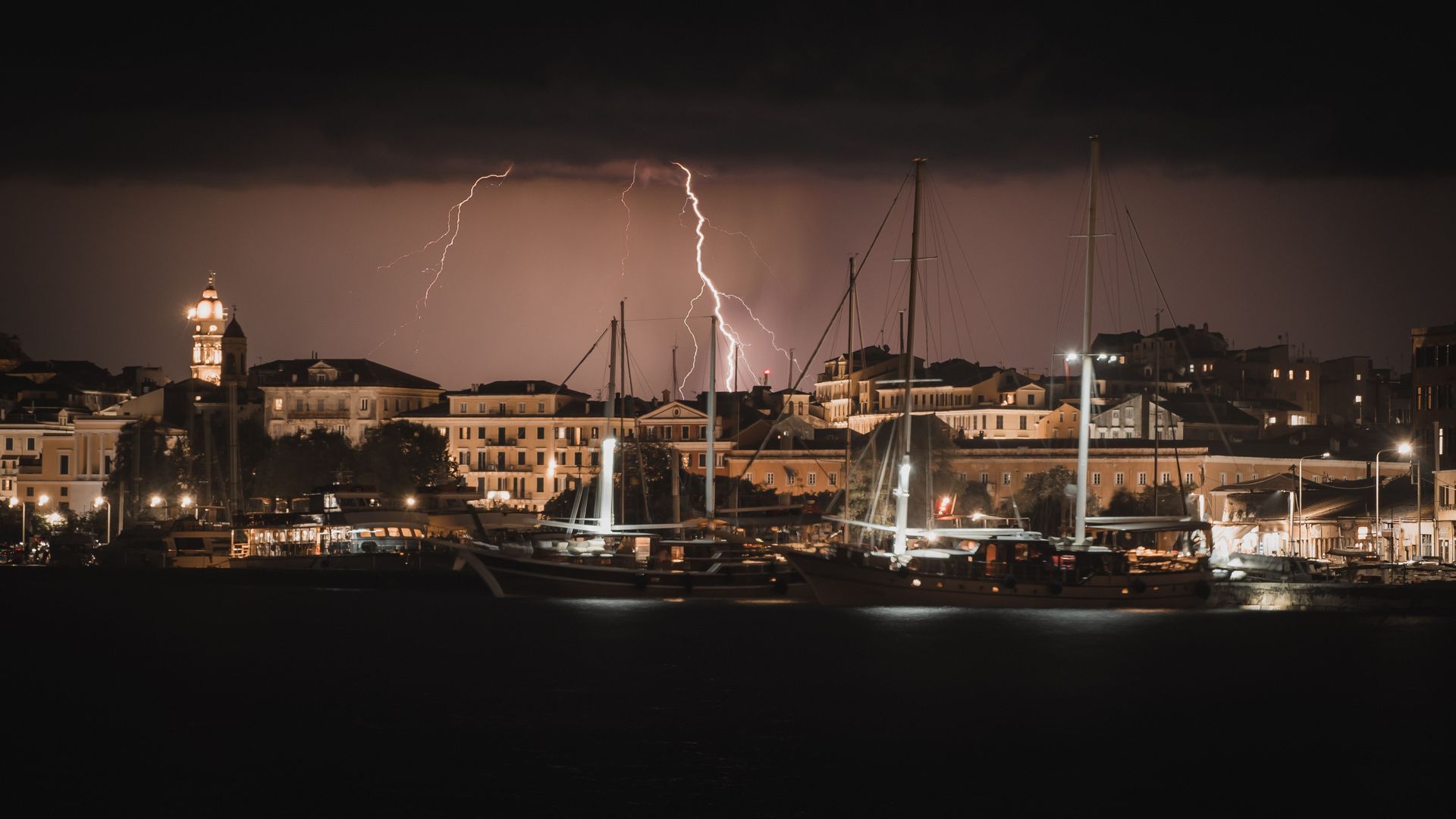
Illuminated gas station canopy at night with red signage and fuel pumps against a dark background

Frequently Asked Questions

  • Does Fla. Stat. § 526.143 apply to every gas station in Florida?

    No. It applies to motor fuel terminal facilities and wholesalers (72-hour capability), retail outlets built or substantially renovated since July 1, 2006 (prewiring requirement regardless of location), and retail outlets near an interstate or designated evacuation route that meet the population and fueling-position thresholds for their county. Automobile dealers, fleet-only fuel sellers, and stations with a qualifying agreement with a public hospital are excluded. 

  • Do I need a permanent, on-site generator, or just a transfer switch?

    The core requirement is the prewired transfer switch and the capability to run on alternate power; the statute doesn't mandate owning a permanent generator on-site for most single-location retail outlets. Corporations or entities that own 10 or more outlets in a single county, however, must maintain portable generators (one per 10 outlets, stored in-state or within 250 miles) available within 24 hours of a disaster. 

  • What documentation do I need to keep on file?

    A copy of the installation documentation (or certificate of occupancy, depending on which subsection applies) and a written statement attesting to periodic testing and operational capability of the transfer switch equipment. Both must be available on request to the Division of Emergency Management or the county emergency management agency

  • Can I apply for the § 526.147 grant if I'm already required to comply under subsection (2)?

    No, stations already subject to the new-construction/renovation requirement in subsection (2) are excluded from the grant pool. The grant program is aimed at closing the gap for stations that aren't otherwise mandated but want to add or modernize transfer switch capability. 

If your station's compliance status is unclear, or your transfer switch hasn't been inspected recently, contact Trophy Electric for a review. We serve fuel station and petroleum contractor clients throughout Palm Beach, Broward, and Miami-Dade Counties, and our team's petroleum-industry electrical background means we know exactly what an inspector is going to check before they check it.

Recent Posts

By Trophy Electric LLC August 17, 2026
The 2026 NEC revised Section 514.11(A) — emergency shutoff rules for fuel dispensers — to fix a rule that broke down at large fueling sites. Trophy Electric LLC, South Florida's petroleum and marina electrical specialists with 65+ years of combined family expertise, breaks down what changed and whether it's Florida law yet. Call (954) 995-9375 for a free consultation.
Illuminated emergency exit sign above a door in a South Florida commercial office corridor
By Trophy Electric LLC August 10, 2026
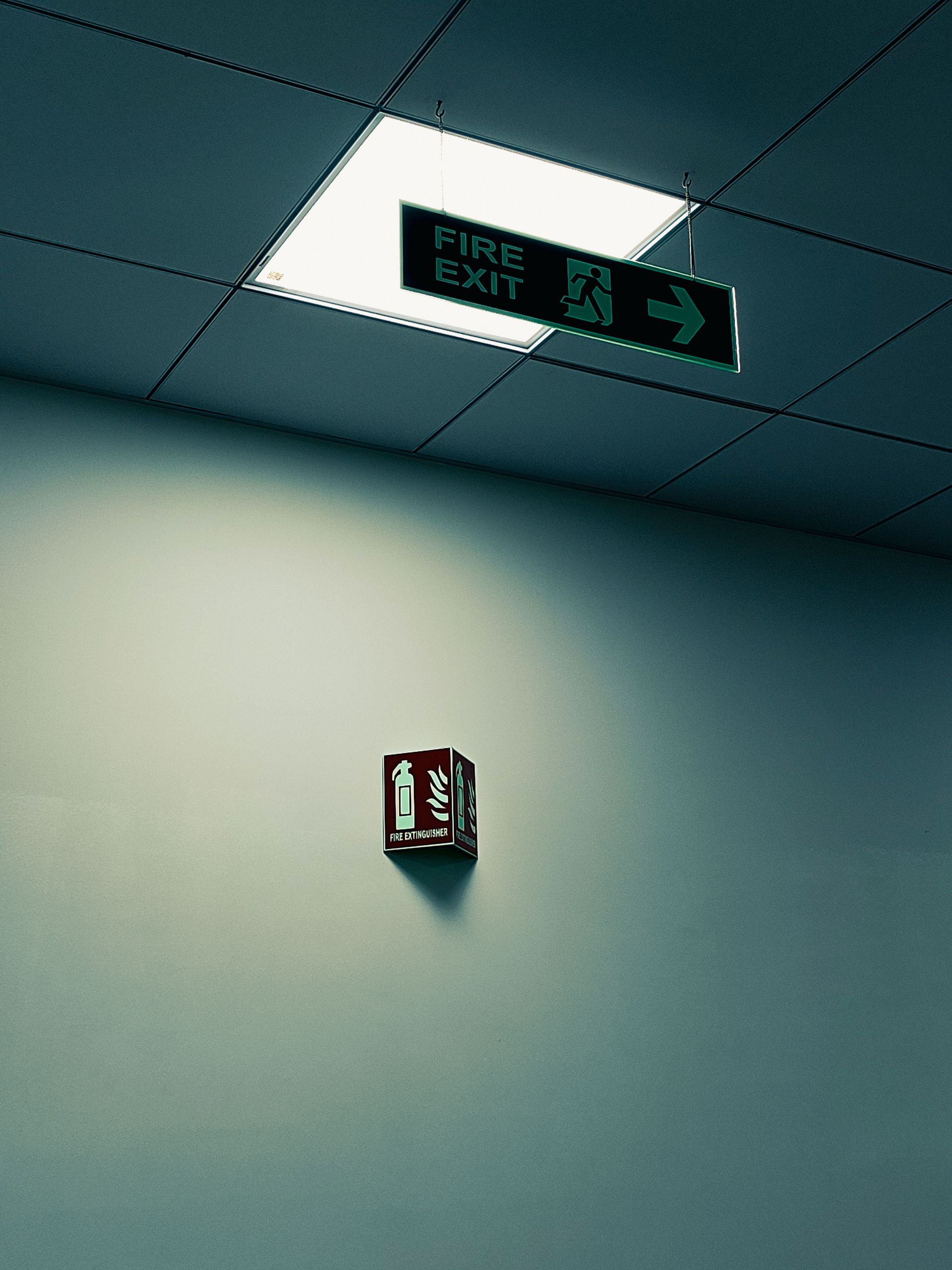
Emergency lighting and exit sign requirements for Florida commercial buildings fall under NFPA 101 — non-compliance can mean fines up to $15,000 per day under Florida Statute Chapter 162. Trophy Electric LLC, licensed master electricians serving Palm Beach, Broward, and Miami-Dade Counties, breaks down the illumination standards, the testing calendar, and who's responsible. Call (954) 995-9375 for a free consultation.

By Trophy Electric LLC August 7, 2026
Electrical code violations in South Florida can void your homeowners insurance, derail a property sale, and trigger daily fines up to $15,000. Trophy Electric LLC — licensed master electricians in Boca Raton with 65+ years of combined expertise — explains the 6 most common violations in Palm Beach and Broward County homes and exactly what it takes to fix them. Call (954) 995-9375.
By Trophy Electric LLC August 4, 2026
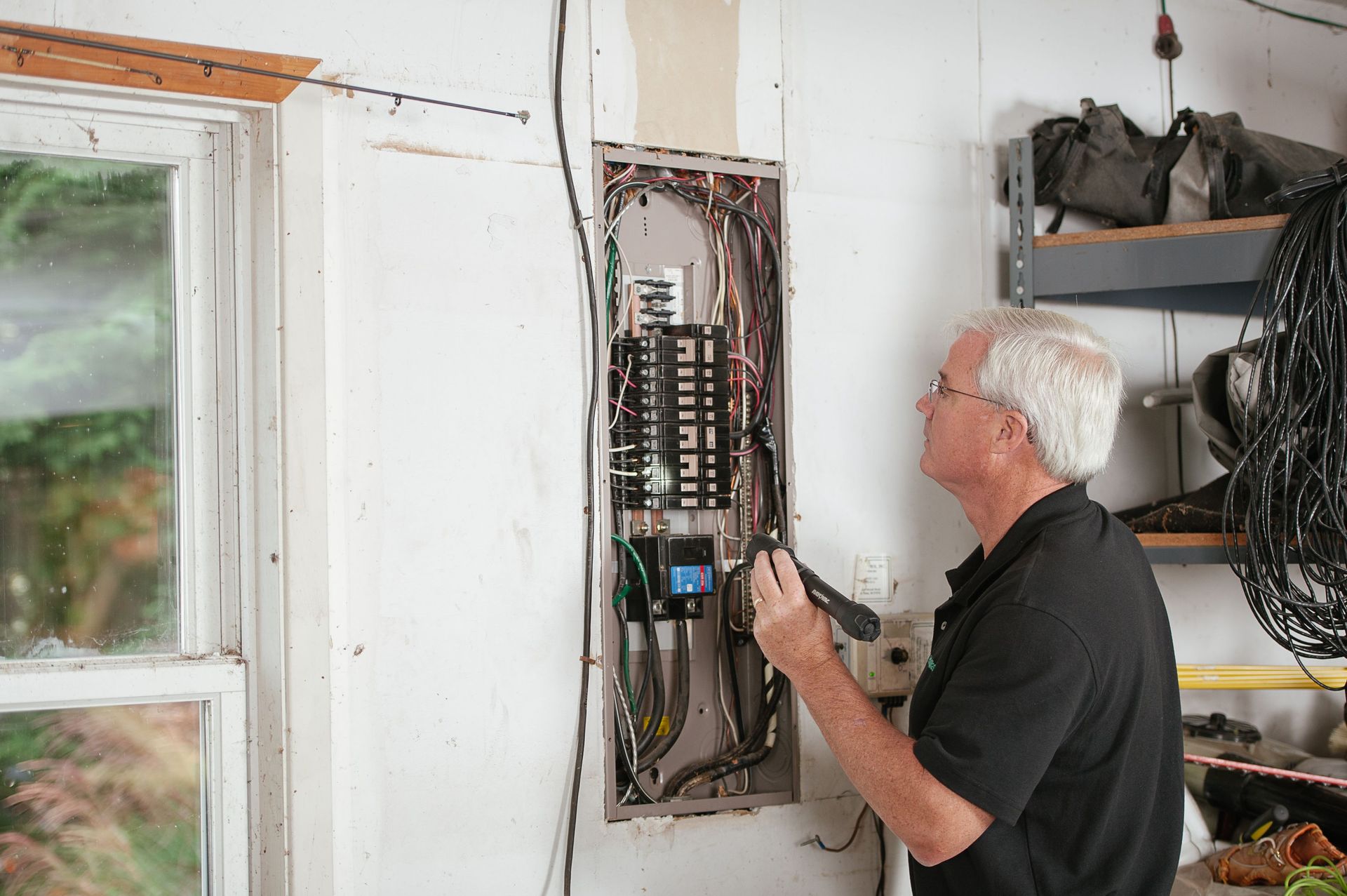
Your 4-point inspection flagged aluminum wiring — and Florida insurers won't cover it unmodified. Trophy Electric LLC, licensed master electricians in Boca Raton with 65+ years of combined expertise, explains the CPSC fire risk data, Florida carrier positions, and all three remediation options. Call (954) 995-9375.
By Trophy Electric LLC July 30, 2026
A 4-point electrical inspection in South Florida can make or break your homeowners insurance application. Trophy Electric LLC — licensed master electricians in Boca Raton with 65+ years of combined expertise — explains what inspectors check, the five most common failures in Palm Beach and Broward County homes, and how to prepare. Call (954) 995-9375.
By Trophy Electric LLC July 23, 2026
Standby generator installation in South Florida requires a licensed master electrician for transfer switch wiring, load calculations, and permit coordination across Palm Beach and Broward County. Trophy Electric LLC — 65+ years of combined electrical expertise in Boca Raton — explains the full 2026 process, cost ranges, and what only a licensed electrician can legally do.
By Trophy Electric LLC July 16, 2026
Commercial LED lighting upgrades in South Florida cut energy costs 50–80% and qualify for FPL rebates up to $40 per fixture. Trophy Electric LLC — licensed master electricians in Boca Raton — explains permits, qualifying fixtures, and specialized requirements for gas stations, car washes, and marinas in Broward and Palm Beach County.
By Trophy Electric LLC July 9, 2026
Pool electrical safety in South Florida is governed by NEC Article 680 — and with 1.59 million residential pools in Florida, the risks are real. The CPSC recorded 33 electrocution deaths in pools and spas from 2002–2018. Learn the GFCI, bonding, and code requirements that protect your family, from Trophy Electric LLC — licensed master electricians in Boca Raton serving Palm Beach and Broward Counties. Call (954) 995-9375.
By Trophy Electric LLC July 2, 2026
Marina electrical contractor in South Florida: NEC Article 555 shore power installation, 30mA GFPE protection, fuel dock hazardous location wiring, and electric shock drowning prevention. Trophy Electric LLC — 65+ years combined expertise, licensed master electrician serving Palm Beach, Broward & Miami-Dade. Call (954) 995-9375.
By Trophy Electric LLC June 23, 2026
South Florida pool owners: understand NEC Article 680 bonding, GFCI, and equipotential grounding requirements before your next inspection. Trophy Electric LLC — 65+ years combined expertise in water-adjacent electrical — serves Boca Raton and South Florida.
Show More