4-Point Electrical Inspection in South Florida: What Inspectors Check and How to Pass

Trophy Electric LLC • July 30, 2026

Share this article

Why the 4-Point Inspection Exists — and Why South Florida Homeowners Face It More Often

Florida's homeowners insurance market is one of the most turbulent in the country. After years of hurricane losses and insurer exits, carriers have tightened their underwriting requirements significantly — and older homes face the most scrutiny. If your home is 20 or more years old, there is a strong chance your insurer has required, or will soon require, a 4-point inspection before issuing or renewing your policy.

The inspection focuses on four systems most likely to generate claims in an aging South Florida home: the roof, electrical, plumbing, and HVAC. The electrical section is where licensed master electricians come in — and it is where a surprising number of Palm Beach and Broward County homeowners discover problems they did not know existed. Understanding what inspectors look for, and what a licensed master electrician can do to help you prepare, is the first step toward keeping your coverage intact and your home safe.

Unlike a full electrical code compliance inspection or a comprehensive home inspection, the 4-point inspection is scoped specifically to assess insurance risk. Its findings determine whether an insurer will write your policy, require repairs before coverage is issued, or decline the application entirely. The stakes are high — and the electrical section is one of the most consequential parts of the form.

What the 4-Point Electrical Inspector Actually Reviews

The standard 4-point inspection form used by most Florida carriers is issued by Citizens Property Insurance Corporation — Florida's insurer of last resort and the state's largest personal lines carrier. Citizens updated their form in March 2025 (version "Insp4pt 03 25"), and most private carriers have adopted it as well.

On the electrical section, inspectors are required to document and photograph the following:

  • Service amperage — total electrical capacity (60A, 100A, 150A, 200A, 400A)
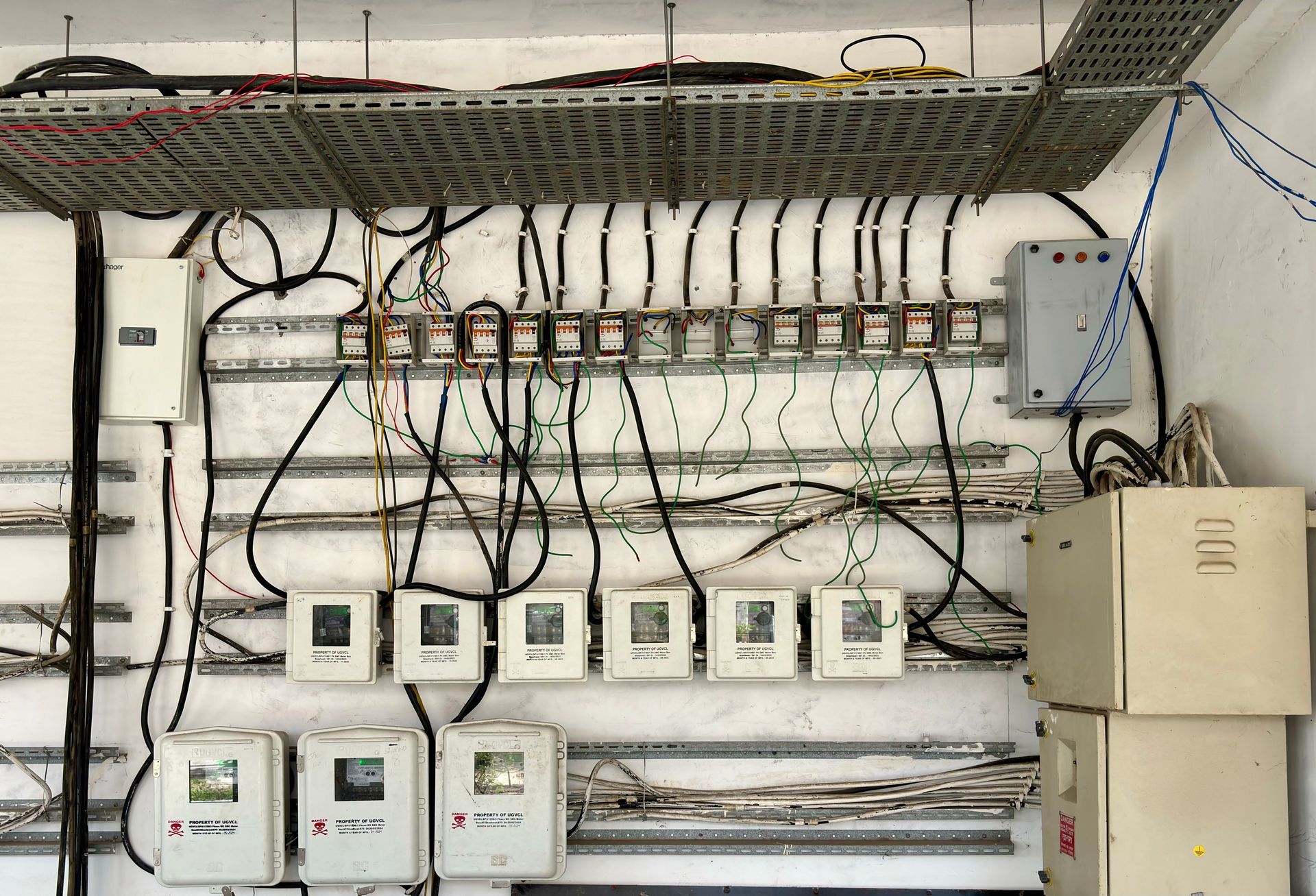
  • Panel brand and approximate age — year last updated, number of panels present
  • Conductor material — copper, single-strand aluminum, multi-strand aluminum, or mixed
  • Wiring type — modern NM cable (Romex), aluminum branch wiring, cloth-jacketed, rubber-insulated, or knob-and-tube
  • Grounding and bonding — whether the system is grounded to standards recognizable to the insurer
  • Visible hazards — double-tapped breakers, exposed conductors, overheating evidence, corrosion, or missing panel covers
  • GFCI and AFCI protection — presence in required locations such as kitchens, bathrooms, garages, and outdoor outlets

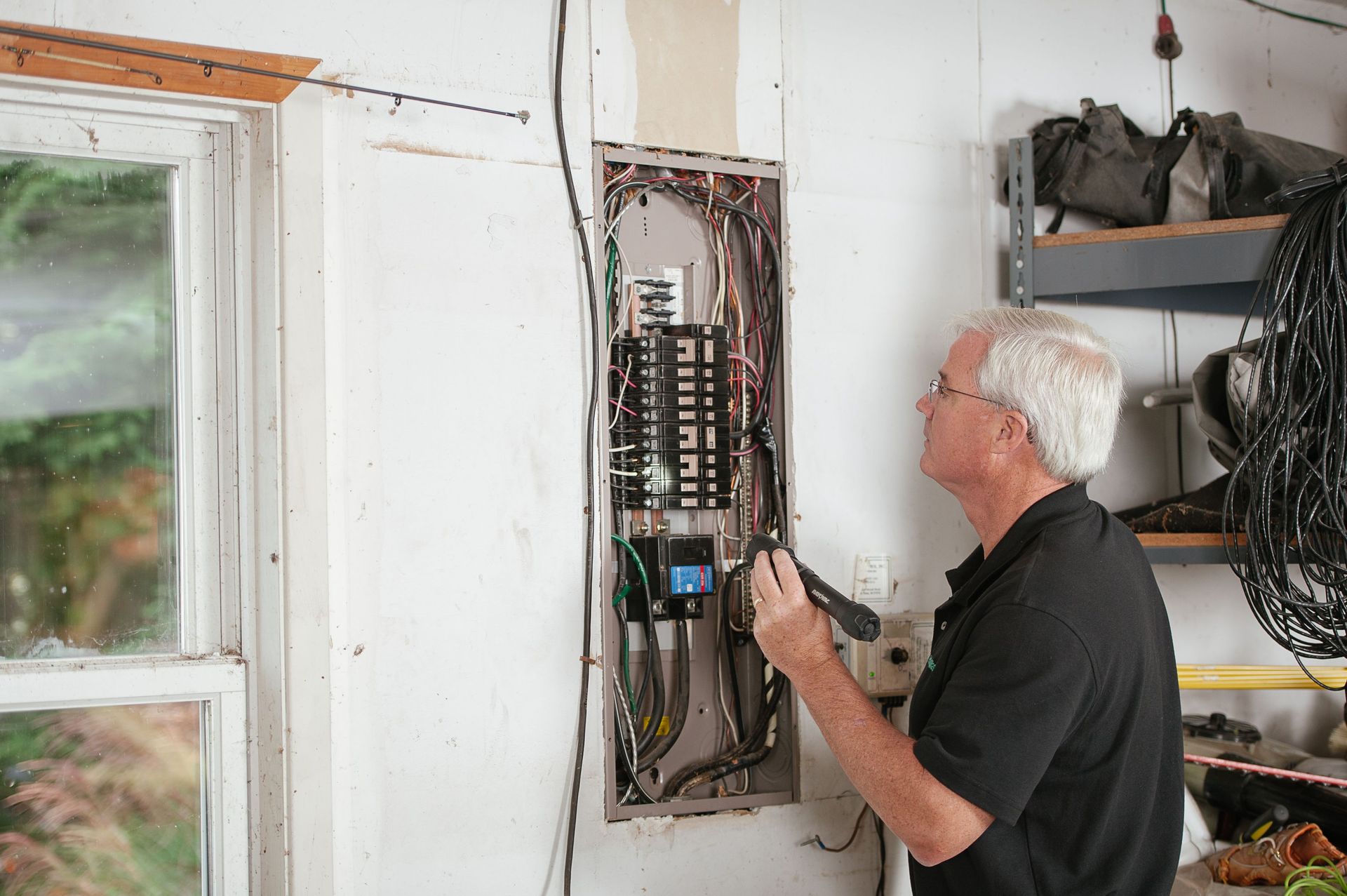
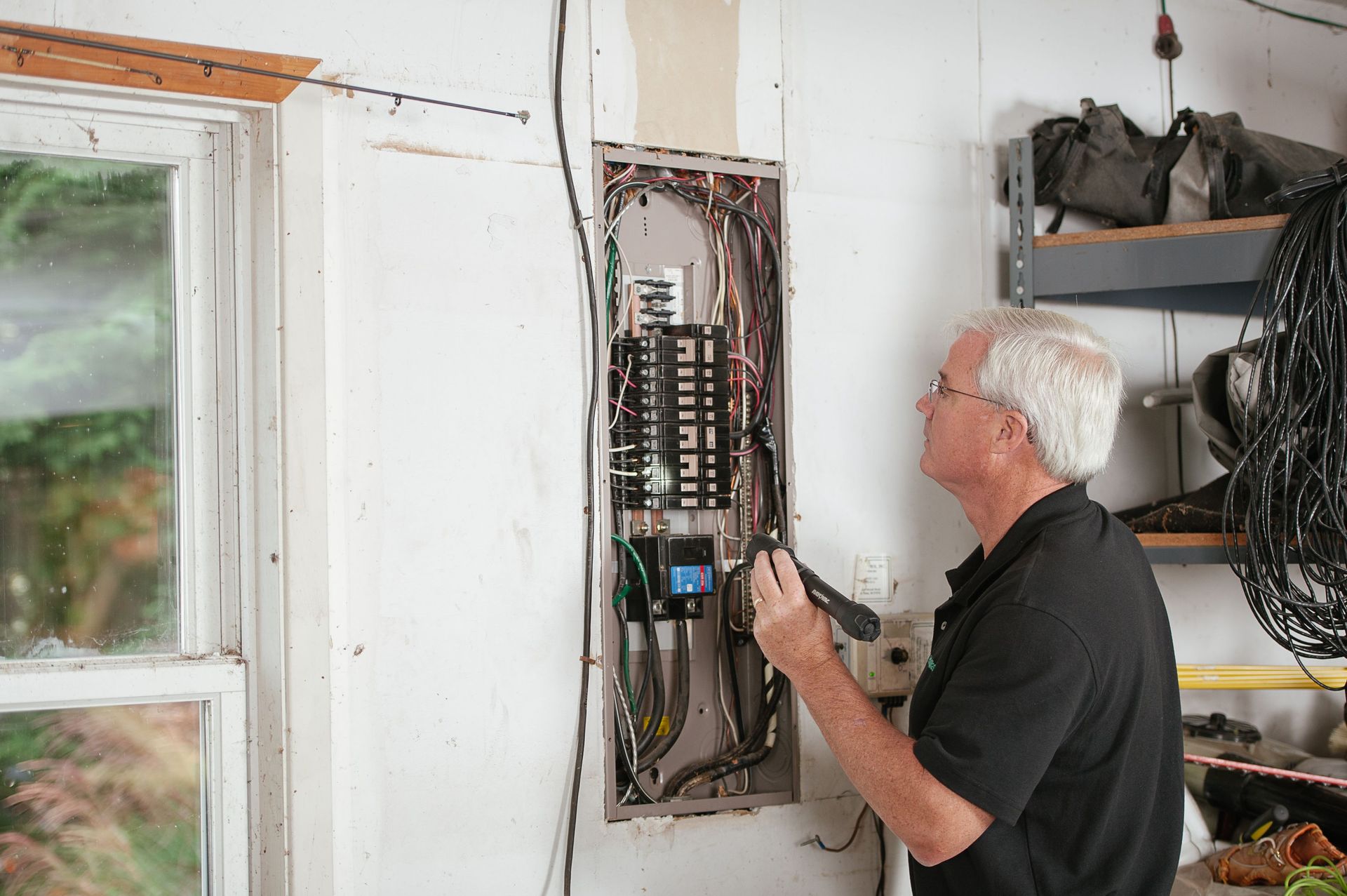
Required photographs include the panel with the door open (showing the interior label) and with the panel face removed to expose the breakers. Any documented hazard must also be photographed. The visual record goes to the underwriter, who makes coverage decisions based on what can be verified from the photographs — not verbal descriptions. This means pre-inspection preparation is not just helpful; it is essential.

The Five Electrical Issues That Fail South Florida 4-Point Inspections Most Often

In decades of serving Palm Beach, Broward, and Miami-Dade County homeowners, Trophy Electric's licensed master electricians have seen the same five categories of issues produce the vast majority of electrical-related insurance declines.

1. Federal Pacific and Zinsco Electrical Panels

Federal Pacific Electric (FPE) Stab-Lok panels and Zinsco panels — sometimes sold under the Sylvania name — are the most commonly flagged electrical items on Florida 4-point inspections. Independent engineering research published through the IEEE estimated approximately 2,829 residential fires per year are linked to FPE Stab-Lok panels. Testing of more than 3,000 FPE Stab-Lok breakers found approximately 1 in 4 to be defective — meaning the breaker fails to trip under overload conditions as intended. A New Jersey Superior Court ruling in 2002 found that FPE had "knowingly and purposefully distributed circuit breakers which were not tested to meet UL standards."

Florida insurers treat these panels as high-risk by policy. Many carriers will not write or renew a policy on a home with an FPE or Zinsco panel regardless of the panel's current apparent condition. Federal Pacific and Zinsco panel replacement is typically the most effective resolution — a new listed panel gives underwriters documentation they can approve and restores your home to an insurable baseline.

2. Single-Strand Aluminum Branch Wiring in Homes Built 1965–1975

During a copper shortage in the mid-1960s, aluminum became common for residential branch circuit wiring — the wiring that runs to outlets, switches, and lighting throughout the home. The U.S. Consumer Product Safety Commission found that homes wired with single-strand aluminum branch circuits are 55 times more likely to have fire hazard conditions than comparable homes wired with copper.

Aluminum expands and contracts with heat cycles, causing connections to loosen at outlets, switches, and panel terminals over time. It also oxidizes, increasing electrical resistance at connection points and generating heat. Look for "AL" or "ALUMINUM" stamped on visible wire insulation in your attic or panel; common warning signs include flickering lights, warm or discolored outlet cover plates, and frequent breaker trips. Single-strand aluminum wiring typically requires copper pigtailing at every device connection point, or full home rewiring, before most Florida insurers will issue coverage. Citizens' updated 2025 form now requires separate documentation of any aluminum wiring remediation, certified by a licensed electrician.

3. Cloth-Jacket and Rubber-Insulated Wiring

Homes built before approximately 1950 often used wiring with cloth-jacketed or rubber-insulated insulation rather than modern plastic-jacketed cable. This insulation dries out, cracks, and deteriorates over decades — exposing conductors and creating fire risk. Citizens' March 2025 form update added specific fields for both cloth-jacketed and rubber-insulated wiring types, recognizing they were being misidentified or skipped on prior inspections. If your inspector identifies either type, insurers typically require a remediation plan from a licensed electrician before coverage is issued.

4. Double-Tapped Breakers

A double-tap occurs when two separate circuits share a single breaker slot rated for one conductor only. The resulting loose or compromised connection creates resistance, heat, and potential arc fault conditions — which is why it appears on the 4-point checklist. Double-taps are visible inside the panel when the face is removed and are almost always flagged by inspectors. The correction is typically straightforward — a licensed electrician installs a tandem breaker or adds a subpanel to separate the circuits — but this work requires a permit and must be completed by a licensed contractor.

5. Undersized Service Amperage

South Florida homes built before the 1970s often have 60-amp or 100-amp electrical service — sized for the loads of that era, before central air conditioning, electric ranges, and modern appliances became standard. A home running central AC, an electric range, a dishwasher, an EV charger, and a whole-house generator can easily exceed 100-amp capacity under normal use. Insurers flag undersized service not just as a capacity issue but as a system likely operating under chronic overload conditions. An electrical panel upgrade to 200-amp or 400-amp service resolves the issue, requires FPL coordination and permits, and must be completed by a licensed master electrician.

The March 2025 Citizens Form Update: What It Means for Your Electrical Section

On March 20, 2025, Citizens Property Insurance issued version "Insp4pt 03 25" — the current standard 4-point inspection form. Agents and Florida-licensed inspectors are expected to use this version immediately. The prior versions have been removed from Citizens' website.

The 2025 update made several changes directly affecting the electrical section. First, it added specific fields requiring documentation of multistrand aluminum wiring and cloth-jacket rubber-insulated wiring — two wiring types that were frequently misidentified or omitted on the previous form. Second, it clarified that any single-strand aluminum wiring remediation must be documented separately and certified by a licensed electrician before the form is submitted. The minimum photo requirements now also include the water heater's temperature pressure relief (TPR) valve.

For South Florida homeowners, the practical implication is clear: if your inspector uses an older form version, the underwriter may request additional documentation or a new inspection. Confirm that your inspector is using the current form before you schedule your visit — a small step that prevents delays at policy renewal.

What a Licensed Master Electrician Can Do — Including Signing Off on the Electrical Section

Under Citizens' inspection requirements, a trade-specific licensed professional may sign and certify the section of the 4-point inspection form for their trade. This means a licensed master electrician can perform the electrical portion of your 4-point inspection, provide the required photographic documentation of the main service panel, and deliver the signed electrical section your insurer needs — without requiring a separate home inspector for that portion.

More importantly, a licensed electrician can identify and resolve issues before the formal inspection takes place. A pre-inspection electrical evaluation walks through every item on the 4-point checklist — panel brand, wiring types, service amperage, grounding, GFCI and AFCI coverage — and identifies what, if anything, needs remediation. Correcting those issues before the insurer's inspector arrives means your report comes back clean.

This pre-inspection approach is particularly valuable for homeowners with Federal Pacific or Zinsco panels, single-strand aluminum branch wiring, or older wiring types — conditions that are highly predictable based on a home's construction year and that a licensed electrician can address directly. Our residential electrical services in South Florida include pre-inspection evaluations, panel replacements, aluminum wiring remediation, AFCI and GFCI upgrades, and any work required to bring a home's electrical system to an insurable standard.

Trophy Electric is a family-owned company with three generations of master electrician expertise — more than 65 years of combined electrical knowledge serving Boca Raton, Delray Beach, Pompano Beach, and the surrounding Palm Beach and Broward County communities. We have completed electrical work at Pier 66, Island Gardens, and El Car Washes — and we bring that same commitment to durability and clean, code-compliant installation to every residential inspection and remediation project we take on.

How to Prepare Your South Florida Home Before the Electrical Inspection

There are concrete steps every South Florida homeowner can take before scheduling a 4-point inspection to reduce the risk of a surprise coverage denial.

Know your home's construction year. Homes built between 1965 and 1975 have the highest likelihood of single-strand aluminum branch wiring. Homes built from the 1950s through the late 1980s are most likely to have FPE or Zinsco panels. Homes built before approximately 1950 may have cloth-jacketed or rubber-insulated wiring. Your home's construction year tells a licensed electrician exactly where to look.

Identify your panel brand. Open the main panel door and look for the manufacturer's name on the panel or breaker handles. "Federal Pacific," "Stab-Lok," "Zinsco," and "Sylvania" are the names most likely to trigger a coverage decline. If any of these appear, plan for panel replacement before your formal inspection — not after a declination.

Schedule a pre-inspection electrical evaluation. A licensed master electrician can assess your panel, wiring type, GFCI and AFCI coverage, and service amperage before the insurer's inspector arrives. Any electrical work needed must be permitted — a completed Florida electrical permit is documentation your insurer will want to see alongside the remediation certification.

Verify GFCI and AFCI coverage. Modern GFCI protection is required in bathrooms, kitchens, garages, outdoor outlets, and pool and spa areas. AFCI protection is required under the Florida Building Code in bedrooms and living areas where recent permit work has been completed. Inspectors document the presence or absence of these protections. If your home lacks them in required locations, adding them before the inspection is a straightforward correction that also reduces fire risk.

While preparing for your 4-point inspection, it is also worth reviewing your hurricane season electrical preparation — tasks like verifying your whole-home surge protection and confirming your generator transfer switch is properly installed overlap directly with the conditions an electrical inspector evaluates.

Frequently Asked Questions: 4-Point Electrical Inspection in South Florida

What homes require a 4-point inspection in Florida?

Most Florida insurance carriers require a 4-point inspection for homes 30 years old or older. Citizens Property Insurance requires one for properties more than 30 years old. Some private carriers begin requiring them at 20 years. The inspection must be completed by a verifiable Florida-licensed professional and submitted with your policy application or at renewal.

Can a licensed electrician sign the electrical section of the Citizens 4-point form?

Yes. Citizens Property Insurance and most Florida carriers permit a trade-specific licensed professional to sign the section of the 4-point form for their trade. A licensed master electrician can evaluate the electrical system, provide the required photographic documentation of the service panel, and certify the electrical section — without requiring a separate general home inspector for that portion of the form.

What are the most common reasons an electrical section fails in South Florida?

The most frequently cited causes of electrical 4-point failures in Broward and Palm Beach County homes are Federal Pacific (Stab-Lok) or Zinsco panels, single-strand aluminum branch wiring in homes built between 1965 and 1975, cloth-jacketed or rubber-insulated wiring in pre-1950 homes, double-tapped circuit breakers, and undersized 60-amp or 100-amp service in homes with modern electrical loads. Each of these can be addressed by a licensed master electrician before the insurer's inspection takes place.

Does the 4-point inspection cover my pool electrical system?

No. The 4-point inspection focuses on four core systems — roof, main electrical (panel and branch wiring), plumbing, and HVAC. Pool and spa electrical, including bonding requirements and GFCI protection under NEC Article 680, is not evaluated as part of the standard 4-point review. Pool and spa electrical safety should be verified separately, particularly given the electric shock drowning risks that are specific to South Florida's pool-dense residential communities.

How do I know if my home was built with aluminum branch wiring?

Homes built between 1965 and 1975 are the most likely to have single-strand aluminum branch wiring. Look for "AL" or "ALUMINUM" stamped on any visible wire insulation in your attic, panel, or junction boxes. Warning signs include flickering lights without a clear cause, outlet cover plates that feel warm to the touch, and circuit breakers that trip frequently. A licensed electrician can confirm the wiring type and recommend the appropriate remediation — copper pigtailing at each device or full rewiring — before your 4-point inspection is scheduled.

What is the current Citizens 4-point inspection form version?

As of March 20, 2025, Citizens Property Insurance updated their form to version "Insp4pt 03 25." This is the current standard form. If your inspection was completed before that date or uses an older form version, your agent or underwriter may request an updated inspection. The current form is available directly from citizensfla.com. If you are scheduling a new inspection, confirm your inspector is using the current version before the visit.

Recent Posts

By Trophy Electric LLC July 23, 2026
Standby generator installation in South Florida requires a licensed master electrician for transfer switch wiring, load calculations, and permit coordination across Palm Beach and Broward County. Trophy Electric LLC — 65+ years of combined electrical expertise in Boca Raton — explains the full 2026 process, cost ranges, and what only a licensed electrician can legally do.
By Trophy Electric LLC July 16, 2026
Commercial LED lighting upgrades in South Florida cut energy costs 50–80% and qualify for FPL rebates up to $40 per fixture. Trophy Electric LLC — licensed master electricians in Boca Raton — explains permits, qualifying fixtures, and specialized requirements for gas stations, car washes, and marinas in Broward and Palm Beach County.
By Trophy Electric LLC July 9, 2026
Pool electrical safety in South Florida is governed by NEC Article 680 — and with 1.59 million residential pools in Florida, the risks are real. The CPSC recorded 33 electrocution deaths in pools and spas from 2002–2018. Learn the GFCI, bonding, and code requirements that protect your family, from Trophy Electric LLC — licensed master electricians in Boca Raton serving Palm Beach and Broward Counties. Call (954) 995-9375.
By Trophy Electric LLC July 2, 2026
Marina electrical contractor in South Florida: NEC Article 555 shore power installation, 30mA GFPE protection, fuel dock hazardous location wiring, and electric shock drowning prevention. Trophy Electric LLC — 65+ years combined expertise, licensed master electrician serving Palm Beach, Broward & Miami-Dade. Call (954) 995-9375.
By Trophy Electric LLC June 23, 2026
South Florida pool owners: understand NEC Article 680 bonding, GFCI, and equipotential grounding requirements before your next inspection. Trophy Electric LLC — 65+ years combined expertise in water-adjacent electrical — serves Boca Raton and South Florida.
By Trophy Electric LLC June 23, 2026
Florida homeowners: understand where AFCI breakers are required under the Florida Building Code — which rooms, renovation triggers, and when you need both AFCI and GFCI. Trophy Electric LLC, licensed master electrician serving Boca Raton and South Florida.
By Trophy Electric LLC June 23, 2026
Electrical panel upgrade in South Florida: signs you need more capacity, 2026 cost ranges for Palm Beach and Broward Counties, FPL coordination requirements, AFCI/GFCI compliance, and 400-amp considerations. Trophy Electric LLC — licensed master electricians serving Boca Raton.
Commercial building electrical equipment being evaluated during a recertification inspection
By Trophy Electric LLC June 19, 2026
Broward's 25-year and Miami-Dade's 30-year building recertifications require electrical inspections. Learn what's covered, common deficiencies, and how Trophy Electric LLC helps South Florida buildings pass.
By Trophy Electric LLC June 17, 2026
Florida gas station owners: understand NEC Article 514, FDACS petroleum regulations, and hazardous location electrical requirements before your next inspection. Trophy Electric LLC specializes in fuel station compliance across South Florida.
Boats docked at a Florida marina with shore power pedestals along the pier
By Trophy Electric LLC June 12, 2026
NEC 555.35 GFPE rules, the 2026 leakage current measurement requirement, and how Florida marinas should plan shore power pedestal upgrades. Trophy Electric LLC is South Florida's marina electrical specialist.
Show More